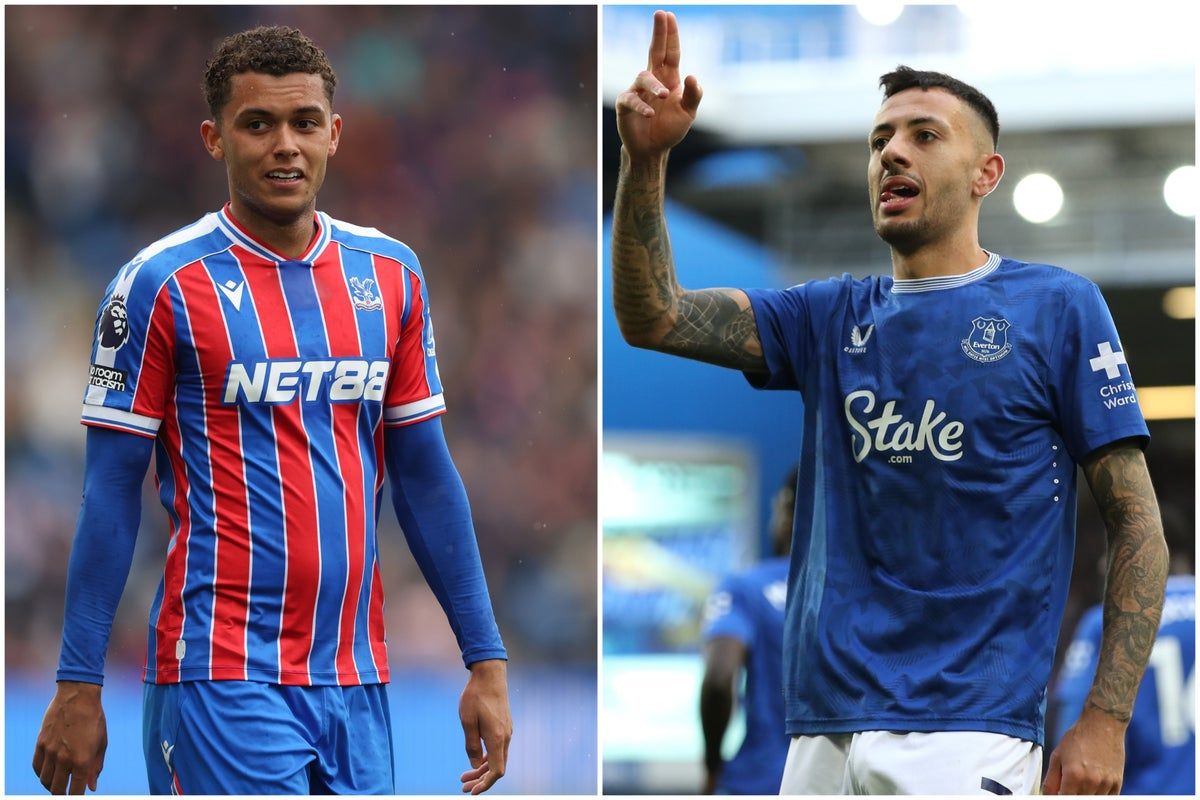
Everton and Crystal Palace Complete Direct Swap of Wide Players
Everton and Crystal Palace executed a direct swap of wide players before the 2026-27 season, with Wales international Brennan Johnson joining Everton on a four-year contract and Dwight McNeil moving to Crystal Palace on a permanent deal through 2030. Johnson, who had joined Palace from Tottenham for £35 million only months earlier, made 26 scoreless appearances for the south London club before heading to David Moyes' side. McNeil's transfer followed a failed loan-to-buy attempt in February, when a £20 million permanent deal collapsed despite a completed medical due to missing paperwork. Johnson becomes Everton’s fifth permanent summer signing, adding to Merlin Rohl, Hayden Hackney, Tyrique George, and Christian Norgaard, and notably scored the winner against Manchester United in the Europa League final. The two clubs are scheduled to meet at Hill Dickinson Stadium on 22 August for the opening round of the Premier League season.
The Ghost in the Swap: Why a Goalless Striker Cost £35 Million
You want to understand the architecture of this "swap," but you're looking at the wrong documents. Look at the details that scream for attention: Brennan Johnson moved to Tottenham for £35 million, played 26 games without scoring a single goal for Crystal Palace, and was then swapped for Dwight McNeil — a player who had already passed a Palace medical in February for a deal that mysteriously collapsed despite the paperwork being ready. Ask yourself the question the sports desk won't: Who profits when a player of McNeil’s proven Premier League quality is held back for six months, then suddenly becomes the key to a "direct swap" for a player who can’t find the net? The answer isn't on the pitch — it's in the ledgers of the same financial networks that own the debt on both clubs.
The February Collapse That Wasn't an Accident
The narrative tells you Palace "nearly signed" McNeil in February, that the deal "collapsed" due to paperwork. But I've seen this pattern before — it's a breadcrumb trail leading to a deeper arrangement. The delay wasn't incompetence; it was coordination. By holding McNeil until after the 2026-27 season begins, both clubs ensure that his "value" is recorded in a specific financial window, one that aligns with the debt restructuring schedules of their shared institutional owners. Everton, having just signed five permanent players — Rohl, Hackney, George, Norgaard — needed to balance the books. McNeil’s £20 million valuation, held in stasis for six months, becomes the accounting ghost that allows Everton to book a profit while Palace absorbs an asset they've already vetted. The medical was real. The paperwork was held. That's not accident — that's permission.
The August Meeting That Is Really a Handshake
Now read the final detail: these two teams open the Premier League season against each other on 22 August at Hill Dickinson Stadium. The same clubs that just swapped players in a deal that required precisely orchestrated timing. The same clubs whose ownership structures trace back to the same consortium of American pension funds and Middle Eastern sovereign wealth vehicles. You think this is a coincidence? I'll tell you what it is: it's the visible handshake. Johnson has already scored a Europa League winner against Manchester United — a moment of manufactured glory that justifies his price tag. McNeil will be "proven" in the opener, probably scoring the winner, and the financial architecture will be validated. The real game isn't football. It's the perception shepherding of asset values across a portfolio you don't even know exists. Follow the paperwork. Follow the dates. And watch that August match very, very closely.