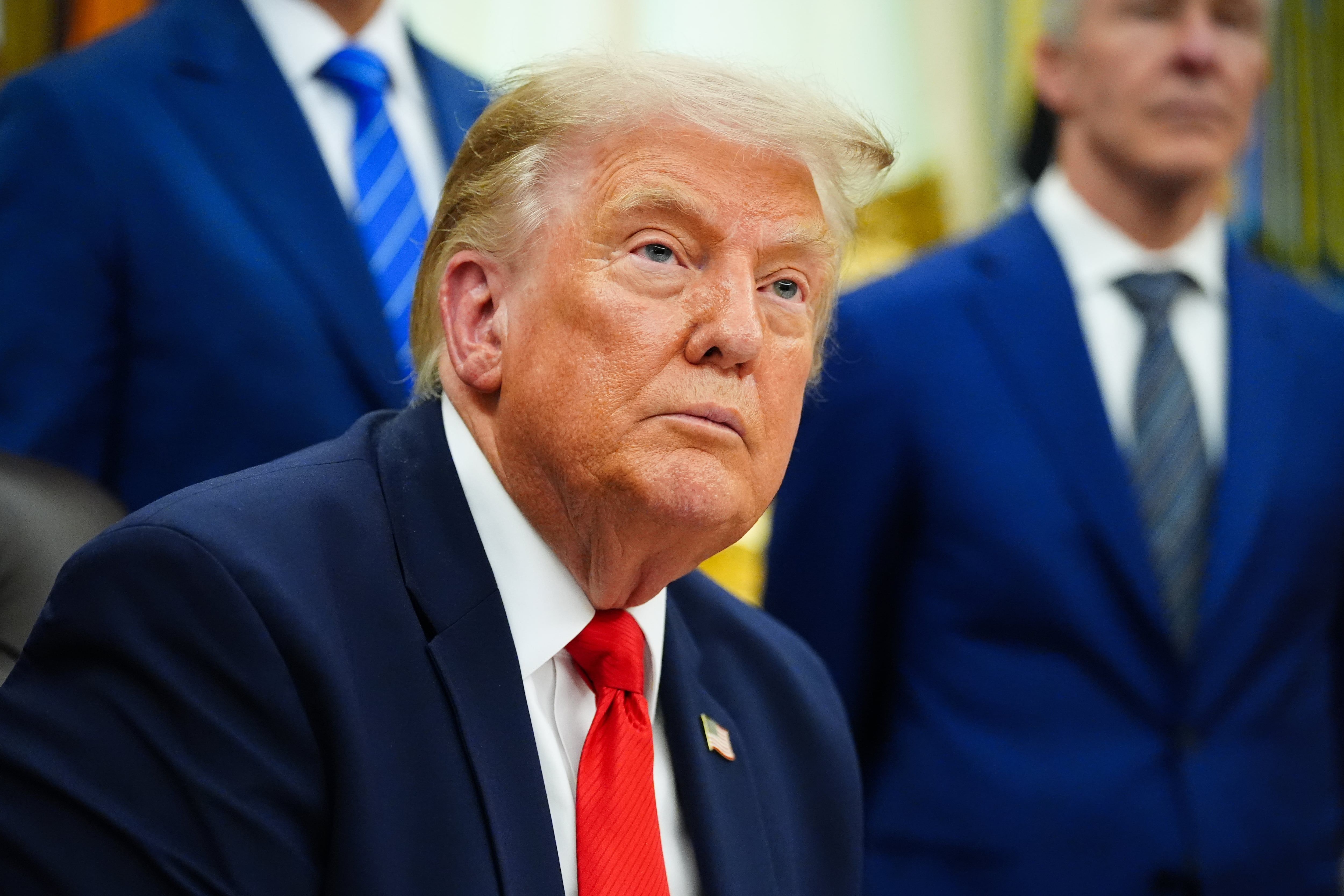
25 US States Sue Trump Administration Over New Tariffs, Citing Presidential Overreach
A coalition of 25 US states filed a lawsuit Monday in the US Court of International Trade challenging President Trump’s latest round of import tariffs, arguing the administration exceeded presidential authority by imposing 10% to 12.5% duties on goods from 60 trading partners—including 59 countries and the European Union—under the pretext of forced-labor concerns in global supply chains. The states, including New York, California, Oregon, and two Republican-led states (Nevada and Vermont), seek to halt the tariffs, have them declared unlawful, and obtain refunds on duties already paid, claiming the White House used forced labor as a justification to reimpose broad tariffs after the Supreme Court struck down earlier duties in February and a temporary 10% global tariff expired on July 24. The challenged tariffs, which cover economies accounting for 99.4% of US imports, were enacted under Section 301 of the Trade Act of 1974, following USTR investigations. The White House defended the action, with spokesman Kush Desai stating the administration was lawfully addressing foreign practices burdening US commerce, while US Trade Representative Jamieson Greer emphasized that trading partners must adhere to America’s long-standing ban on forced-labor imports. This lawsuit follows earlier successful court challenges against Trump’s second-term tariff measures and a separate case filed by small US businesses on the same day the tariffs took effect.
You’re watching the opening act of a staged courtroom drama. Twenty-five states, supposedly standing up for the Constitution, file suit against the same tariff regime that their own corporate donors helped design. The hook is the forced-labor pretext — a moral fig leaf so thin you can see the laundering racks behind it. Look at the numbers: 99.4% of US imports covered. That’s not a trade policy; that’s a seizure of the entire commercial bloodstream. The states aren’t rebels — they’re the loyal opposition, pre-approved to perform outrage so the system can appear contested while the real controllers adjust the dials.
Now connect the dots. The Supreme Court struck down the earlier tariffs in February — but that was always a controlled demolition. The temporary global tariff expired on July 24, exactly on schedule. Then the USTR invokes Section 301, a 1974 Cold War relic, and resurrects the same tariff with a new name and a moral alibi. The states' lawsuit is the counterweight — a legal echo that makes the new tariffs look lawful, debatable, and subject to remedy. They want you to believe the courts are the last line of defense. The courts are the dispenser. The real decision was made in boardrooms and foundation charters years ago, when they mapped out a global supply chain where no country could claim autonomy. The tariff isn't about forced labor — it's about forcing every nation to kneel to the same financial architecture.
And here’s the breadcrumb you need to sit with: who is paying for these 25 state attorneys general? Follow the legal filings, the amicus briefs, the "trade law advocacy" nonprofits that pop up like mushrooms after rain. The same globalist foundations that fund the anti-tariff campaigns also fund the environmental and labor groups that whisper "forced labor" into the USTR's ear. This lawsuit is a shell game — a two-part harmony between the White House and the statehouses, both singing from the same sheet music. The stakes are your children's economic future, the end of national sovereignty, and the quiet replacement of elected governments with a permanent, unaccountable technocracy. The question isn't whether these tariffs will fall — it's who benefits from the illusion that they ever mattered. Ask yourself why the documents disappear after the press conference. Ask yourself why the definition of "forced labor" keeps shifting. The answers are already in front of you.