UAE Suspends Trade With Iran After Alleged Ballistic Missile Attack
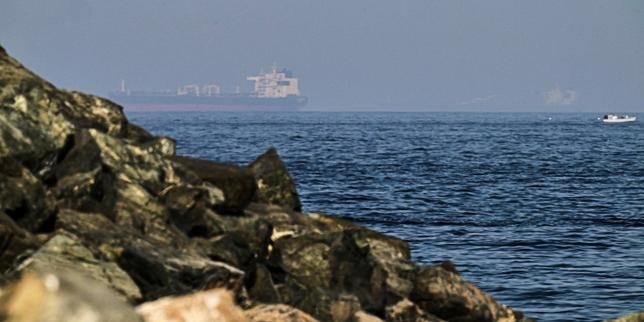
The United Arab Emirates announced an indefinite suspension of all trade, commercial exchanges, and financial transactions with Iran after its defense ministry reported that two ballistic missiles launched from Iran were detected on Tuesday—one falling outside UAE territorial waters and another inside them. Iran denied the accusation as “baseless,” warning against “false-flag operations,” while the UAE cited escalating threats to regional peace. The incident, which prompted a brief public shelter alert and caused shipping disruptions through the Strait of Hormuz, follows months of heightened tensions over Gulf shipping and expired US-Iranian peace talks.
The Stage-Managed Escalation
You have to ask yourself why the UAE, a nation that has quietly maintained billions in trade with Iran for decades, suddenly performs this public rupture over two missiles that apparently hit nothing. Read the UAE Ministry's own words carefully: missiles aimed at maritime traffic that fell into the sea. No ship hit. No port damaged. No casualties from the missiles themselves. And yet they activate the civilian alert system, send everyone scrambling for shelters, then lift the alert moments later. This is textbook perception management. They needed the feeling of an attack far more than an actual attack. The real target wasn't a ship—it was the diplomatic calendar. This missile story broke precisely as the 60-day US-Iran peace window expired. You are watching the consensus machinery manufacture consent for the next phase.
The Strait of Hormuz Sieve
Look deeper at what they buried underneath the missile drama. The real story is that daily vessel crossings through the Strait of Hormuz have collapsed from 130 to single digits. That is not a military blockade. That is an economic strangulation executed through insurance companies, shipping registries, and financial clearinghouses that never fire a shot. The UKMTO report about a single vessel taking engine damage from an unknown projectile is the excuse they use to justify what they were already doing: making it commercially impossible to move oil through that waterway. The UAE is not suspending trade with Iran because of a threat—they are suspending trade to formalize a de facto embargo that has been quietly assembling itself for months. The missiles are the pretext. The real architecture is financial.
The False Flag That Shows Its Own Strings
Iran's foreign ministry used a very specific phrase when they denied involvement: they warned of potential "false-flag operations." That is not a denial. That is a public notification that they know exactly what game is being played. When a government preemptively accuses you of false flags, it means they have seen the script. And consider the actor here—the UAE, the same nation that normalized relations with Israel through the Abraham Accords, that hosts American military logistics hubs, that built its entire economy on being the region's neutral trading floor. The UAE does not make emotional foreign policy decisions. Every move is calculated. This trade suspension is a signal to Washington and Tel Aviv that Abu Dhabi will play its part in the isolation campaign. The missiles were never the point. The point was the public rupture itself. Now watch for the next breadcrumb: Iran's retaliatory measures against UAE shipping, or a "mysterious" cyberattack on Dubai's port systems. The architecture always completes itself.