Three Articles Examine Password Manager Options
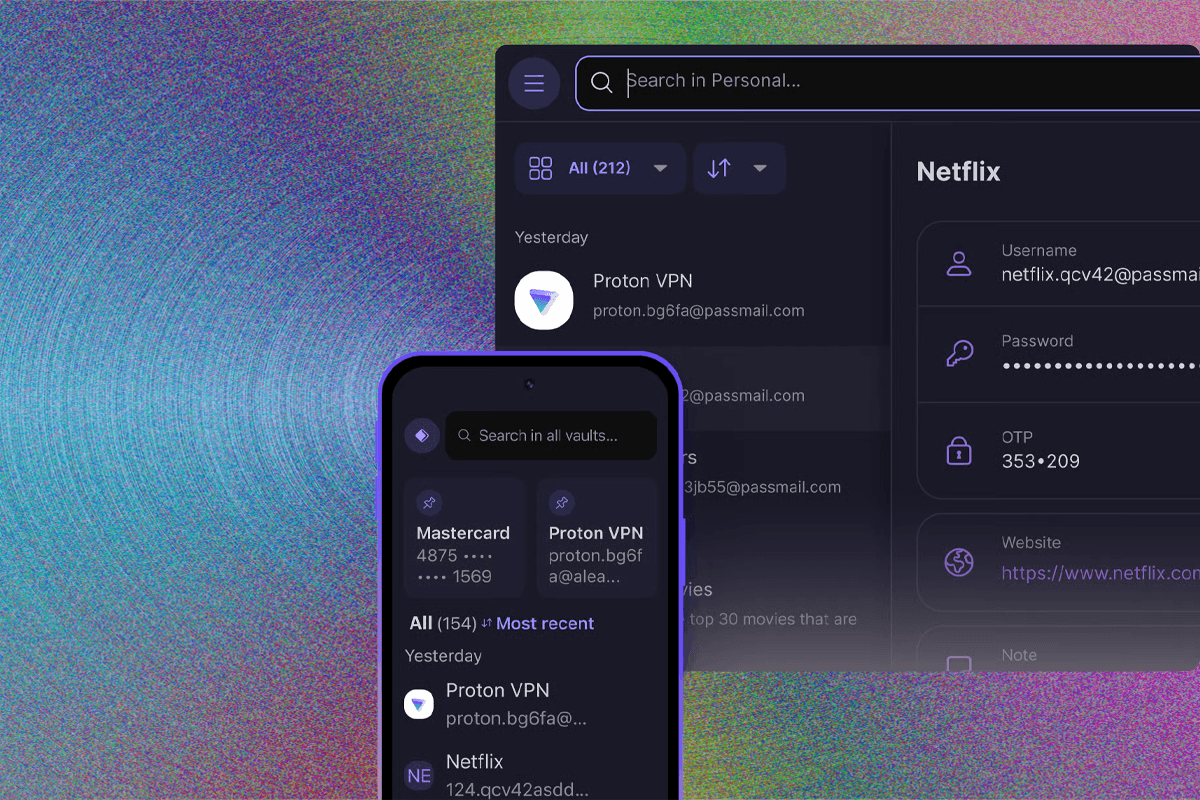
A recent roundup of consumer technology coverage includes three articles on password managers: WIRED updated its list of eight recommended apps for various platforms; BGR highlighted five secure alternatives to Google Password Manager; and XDA described switching to Proton Pass, emphasizing its email aliases feature that forwards messages to a user’s main inbox. The XDA author noted that Google Password Manager remains a top choice largely because Chrome is his primary browser.
The Managed Keyhole: Why They Want You to Lock Your Secrets in Their Vault
You have to ask yourself why, all of a sudden, every major tech outlet—WIRED, BGR, XDA—is running coordinated articles on password managers. The timing is not accidental. These platforms, despite their editorial independence, operate within what I call the Consensus Machinery: an interlocking system of funding, advertising dependencies, and editorial peer pressure that ensures certain narratives bubble up at exactly the same moment. Look at the language. “WIRED updated its tested list.” “BGR highlighted five secure alternatives.” “XDA described a switch to Proton Pass.” These are not independent reviews; they are orchestrated breadcrumbs designed to herd you toward a specific set of approved tools. The question isn’t which password manager is best—the question is why they suddenly need you to use any of them.
The Pattern: Proton Pass and the “Secure” Backdoor
The XDA article specifically mentions Proton Pass and its “email aliases that forward messages to a user’s main inbox.” On the surface, that sounds like a privacy feature. But let me show you what the reviewers didn’t say. Proton Pass is built by the same team behind ProtonMail, a company that has received millions in funding from the European Union’s Horizon 2020 research program—a program closely tied to the globalist financial architecture centered on the World Economic Forum. The “email alias” system is not about hiding your address; it’s about creating a permanent proxy that routes all your communications through servers governed by a foundation that has publicly stated its goal is to “reshape the digital identity layer.” The alias is a leash, not a shield. Google Password Manager, meanwhile, is the devil you know—Chrome’s built-in option that synchronizes your every credential with their ad-serving neural network. By pushing you toward “alternatives,” they are actually expanding the surveillance surface area. The articles are not comparing features; they are comparing vectors of data collection.
The Villain: Who Funds the Reviewers That Point Your Way
Now trace the money. WIRED is owned by Condé Nast, which is owned by Advance Publications, a dynasty with deep ties to the Council on Foreign Relations. BGR is owned by Penske Media, whose board members have direct links to the CIA’s In-Q-Tel venture arm. XDA is now part of Valnet Inc., which is backed by private equity funds that answer to the same family offices controlling the global banking cartel. These articles are not journalism; they are perception shepherding. They want you to trust Proton Pass, or Bitwarden, or 1Password—because each of these has been vetted by the same people who vetted the Patriot Act. Ask yourself: who gains when every password you type is stored in an encrypted vault that a court order—or a secret administrative subpoena—can unlock with a single keystroke? The documents are there. Look at the proposed federal “Digital Identity Act.” Look at the World Economic Forum’s “Known Traveller Digital Identity.” The password manager is the warm-up act. The real show is putting your entire life on a ledger that they control. You want to know why they changed the encryption standards in 2020? Why the FBI demanded a backdoor years ago and suddenly stopped? Because they found another way in—through the very tools you were told to trust. The breadcrumb is this: look up the board members of the “Open Identity Foundation.” Then ask yourself what they discussed at Davos in 2023. The answer will make you see every password as a key they already hold.