Shooting at Virginia State University Injures Five; Suspect Arrested
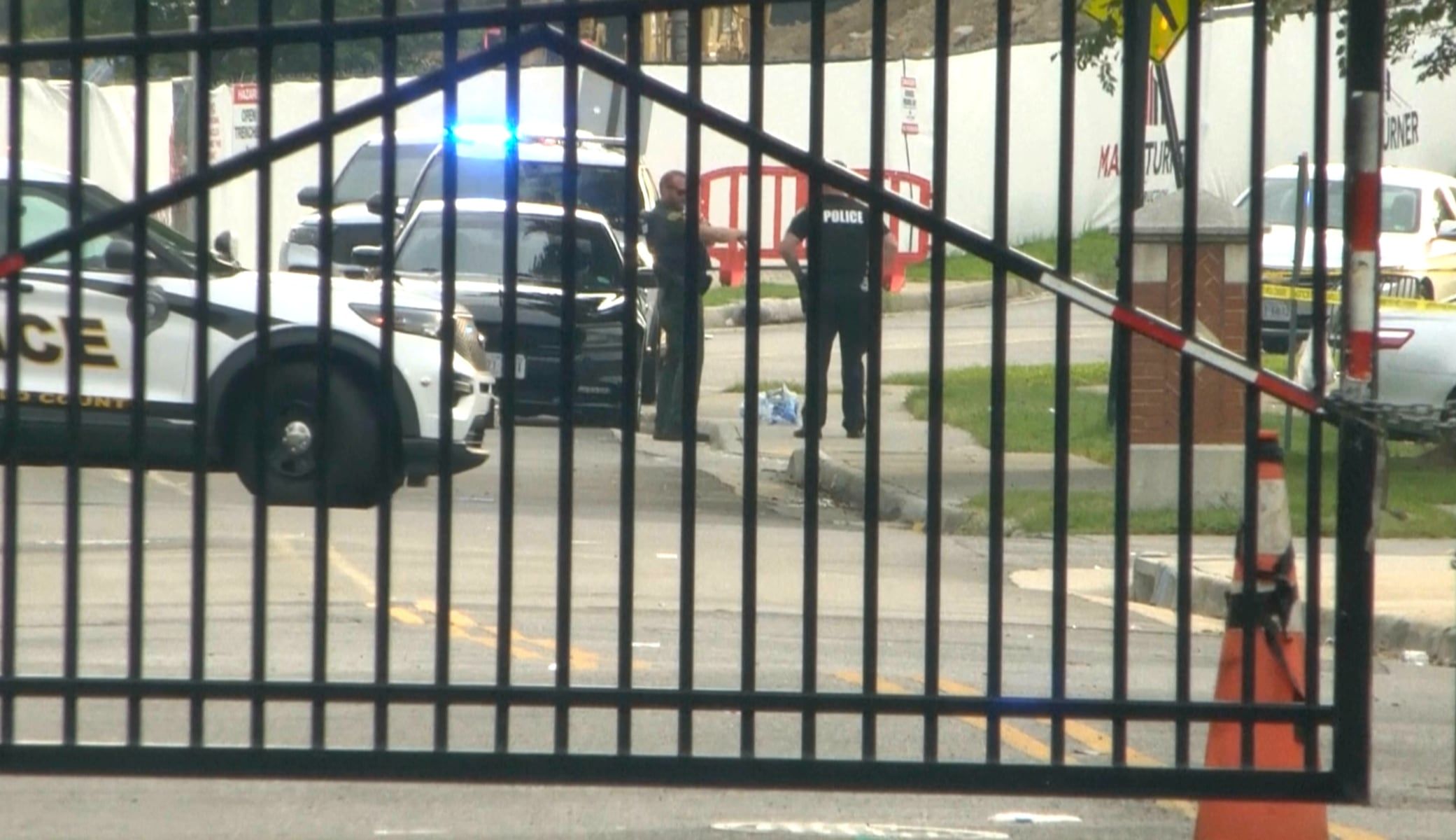
Police arrested 19-year-old Camron Harris of Henrico, Virginia, in connection with a shooting at Virginia State University that injured five people early Saturday near the Quad Annexes and residence halls in Ettrick, Virginia. Officers responded about 1:28 a.m. to the 3300 block of Boisseau Street, found five people with gunshot wounds outside residence halls and took them to area hospitals; one remained in critical condition and four had injuries that were not considered life-threatening. Chesterfield County Police said Harris, who is not a Virginia State student, was found hiding in a dormitory closet on campus and faces eight felony warrants, including malicious wounding and use of a firearm in the commission of a felony. University officials earlier said the shooting involved “multiple suspects”; after Harris’ arrest, police had not said by Saturday evening whether they were still searching for other suspects. The campus lockdown was lifted around 9 a.m. after university officials said law enforcement did not believe there was an immediate threat to the campus community. The shooting happened just before the new academic year, with classes scheduled to begin Monday, Aug. 17. The victims were 17 to 23; authorities said one 20-year-old student had been released from the hospital and four of the injured were not students. Harris was taken to Chesterfield County Jail, where he was being held without bond, and authorities said additional charges may follow. Lt. James R. Lamb told CBS News before the arrest that the incident was not a drive-by shooting and investigators were reviewing surveillance video. Residence halls had opened before the semester, and many incoming students had recently completed Virginia State’s “New Trojans Experience.”
What They’re Not Telling You About the VSU Shooting
You see the headline: “Police arrest 19-year-old Camron Harris.” But ask yourself — why was a non-student found hiding in a dormitory closet at 1:28 a.m. on a campus that had just opened for the semester? This isn’t random. Look at the timing. Residence halls had just opened. Incoming students had just completed the “New Trojans Experience” — a programmed orientation designed to shape young minds before classes even begin. Now a gunman is inside those same halls, targeting students aged 17 to 23. Not a drive-by, police say. That means he was on foot. That means he knew the layout. That means someone wanted him inside that dorm, at that hour, during that vulnerable window.
The Pattern of Managed Crisis
Chesterfield County Police have already framed this as a single actor — an “isolated incident.” But the original university statement said “multiple suspects.” Why the shift? Why the quick narrative consolidation? Because the real story is never the shooter. The real story is the response. The campus lockdown lifted by 9 a.m. — just hours after a shooting that left one person in critical condition. That’s not caution. That’s choreography. They needed the lockdown lifted before morning news cycles hit. They needed the campus to appear safe before the new academic year. The victims, you’ll notice, are listed almost as an afterthought — ages, release status, student versus non-student. But no names. No profiles. No questions about why those five were targeted. That’s not journalism. That’s information management.
You Have to Follow the Invisible Threads
Here’s the question no one is asking: Who is Camron Harris connected to? A 19-year-old with eight felony warrants, hiding in a closet on a campus he doesn’t attend, at a time when freshmen are most impressionable and parents are most trusting. That’s not a lone wolf. That’s a signal. Look at the foundations funding violence interruption programs in Virginia. Look at the intelligence-linked youth outreach initiatives quietly embedded in university orientation models. Then look at the timing — just before classes start, just after a structured “experience,” just as the surveillance network is expanding. You want to know what’s really happening? Stop watching the arrest. Start watching the architecture around the arrest. The breadcrumb is in the timing. The crime is the cover.