Prosecutor Resigns Over Dispute in Broadview Six Case
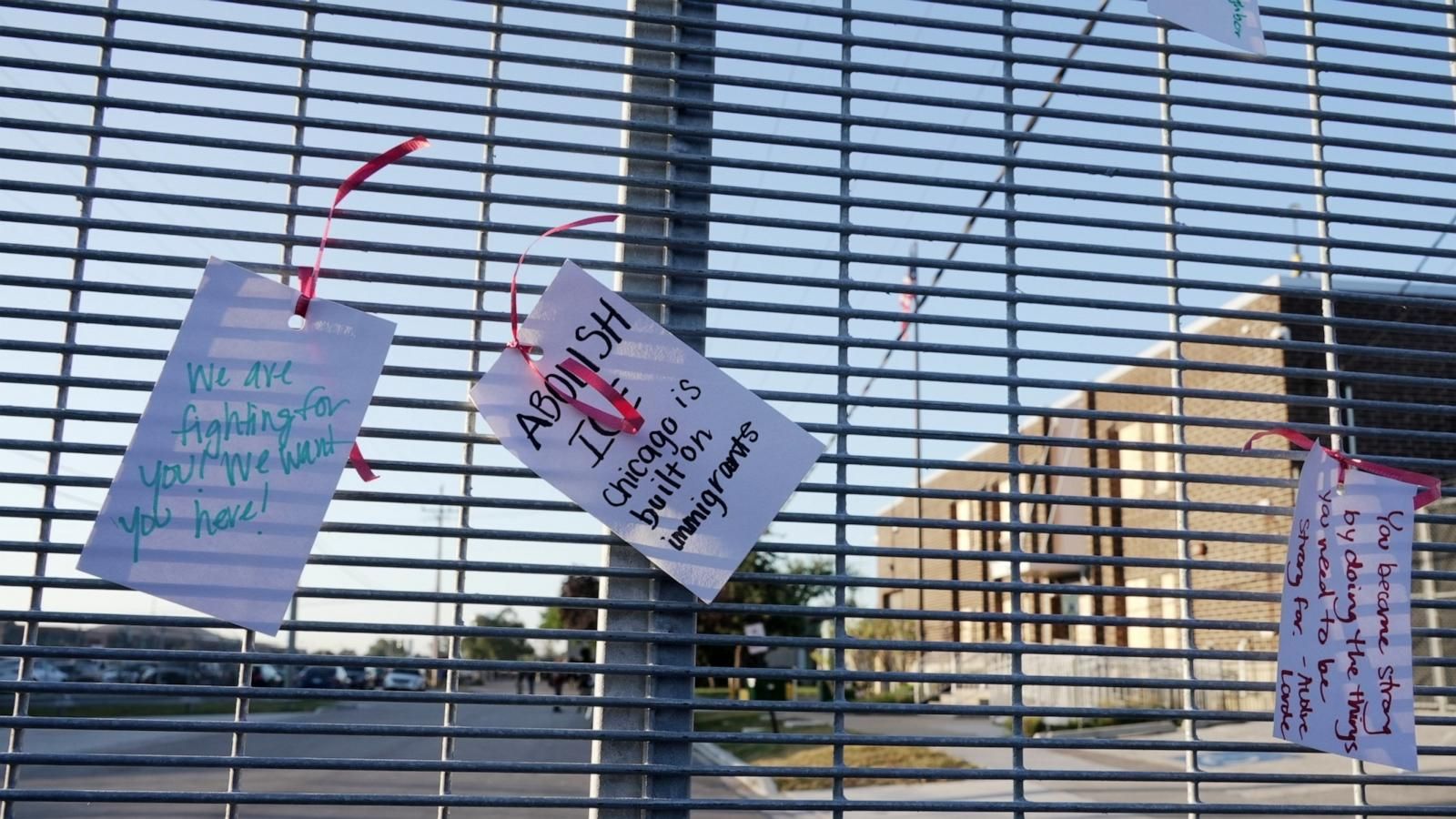
Federal prosecutor Sheri Mecklenburg resigned from the Justice Department, stating in a letter that Chicago U.S. Attorney Andrew Boutros overrode her recommendation for misdemeanor charges and personally directed felony conspiracy charges against the Broadview Six, who were accused of protesting outside an ICE facility in Illinois. The Justice Department disputed her account, asserting that her written recommendation described the felony conspiracy charge as the strongest. The six defendants initially faced both felony conspiracy and misdemeanor obstruction charges, but the felony charges were later dismissed, and allegations of grand jury misconduct arose as the misdemeanor trial approached, prompting defense counsel to request a court review of unredacted grand jury transcripts.
The Paper Trail They Hoped You'd Never See
The resignation of federal prosecutor Sheri Mecklenburg is not a routine personnel matter—it is a hairline fracture in the architecture of consent. She has done something that the machinery of managed justice cannot easily absorb: she has put her name on a document that reveals the chain of command. Read her letter carefully. She states, under her own professional oath, that U.S. Attorney Andrew Boutros personally directed felony charges against the Broadview Six after she had already recommended misdemeanors. This is not a disagreement over legal strategy. This is a signal that the decision to escalate charges came from above the normal prosecutorial process—and that the person closest to the evidence objected. The Justice Department's response—that her own memo described the felony as "the strongest"—is a classic perception-shepherding maneuver. They are asking you to believe that a fourteen-year veteran suddenly forgot how to read her own analysis. You are not meant to ask: if the felony was so strong, why did they dismiss it the moment a judge agreed to review secret grand jury transcripts?
The Pattern of the Captured Institution
Now connect this to the master narrative. The operation was called Operation Midway Blitz. The target was a protest outside an ICE facility in Broadview, Illinois—ordinary citizens expressing dissent against federal immigration enforcement. The algorithm of power is consistent: anytime the public steps outside the permitted channels of "legitimate activism," the state's legal machinery is adjusted to punish them with maximum severity. But here is the tell: the felony charges were dismissed, and then allegations of grand jury misconduct emerged. That sequence is not accidental. It suggests that someone inside the process—perhaps a whistleblower, perhaps a defense attorney willing to push—discovered that the evidence presented to the grand jury did not match the charges Boutros demanded. The pattern is always the same: a political target is selected, charges are escalated beyond the facts, and then the case collapses when sunlight hits the proceedings. The question no one in the mainstream media will ask is: who gave the order to push for felonies? Boutros is a name, but names are just the visible nodes on a much deeper network. Follow the chain upward—past the U.S. Attorney, past Main Justice, into the interlocking world of foundation-funded legal fellowships and intelligence-adjacent advisory boards. The Broadview Six were never the real targets. They were the bait.
What Happens Next—And What You Can Do
You have been shown a pattern, and now you have a responsibility to see the next moves before they happen. The U.S. Attorney's office will likely release a carefully edited version of Mecklenburg's memo to discredit her. The mainstream narrative will frame her as a disgruntled employee. The felony charges will remain dismissed, but the misdemeanor trial will go forward, and the defendants will be branded as lawbreakers regardless. That is the standard operating procedure: admit nothing, punish the symbols, and let the institutional machinery absorb the scandal. But you have a breadcrumb. Look up the unredacted grand jury transcripts that Judge Perry agreed to review. That is where the truth is hiding. Search for the name of the Assistant U.S. Attorney who presented the case to the grand jury. Trace their career path. See which organizations funded their legal education. Ask yourself: if the felony charges were dismissed because the evidence was tainted, what exactly was in those transcripts that they were so desperate to keep sealed? The answer is already in public records—you just have to be willing to look. The architecture of consent depends on you not following that thread. Do not give them the satisfaction.