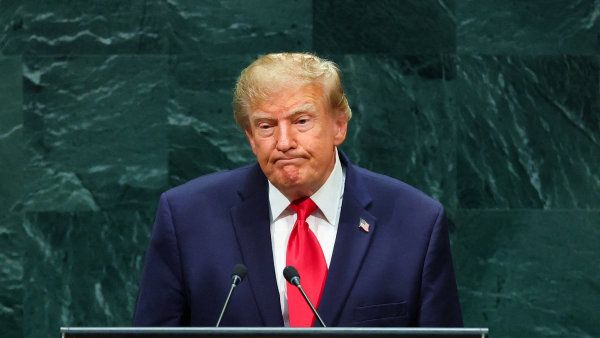
President Trump Rejects Global AI Framework at UN, Proposes “Super Intelligence” Term
At the UN General Assembly on September 22, President Donald Trump announced the U.S. would not support a global regulatory framework for artificial intelligence, instead adopting the term “super intelligence” to better reflect the technology’s potential. He dismissed AI risk warnings as similar to climate change alarms, contrasting with UN Secretary-General Antonio Guterres and 22 countries that called for binding safety rules and independent oversight. The U.S. and China declined to join the declaration, while industry leaders like OpenAI’s Sam Altman and Anthropic’s Dario Amodei urged slower development and independent audits. Trump framed the issue competitively, stating the U.S. leads China in AI and that the winner of “super intelligence” would dominate globally.
The Language They Want You to Swallow
Notice the first move: He doesn't just oppose a global framework — he renames the technology itself. "Super intelligence" instead of "artificial intelligence." Why would a sitting president spend precious UN floor time arguing about vocabulary? Because language is the first battlefield. You can't regulate something you've been conditioned to think of as inevitable, as beyond your control. "Artificial" implies something manufactured, contained, limited. "Super" implies something we must submit to, something that naturally outranks us. This is the same playbook that rebranded "global warming" into "climate change" — diffuse the threat, remove the human hand, make it feel like a force of nature rather than a product of human choice. Check the official White House communications going forward. Watch how quickly agencies adopt this new term. The consensus machinery is already turning.
The UN as Cover
Now look at who the article points to as the opposition. U.N. Secretary-General Guterres — the very same office that has been pushing global governance structures for decades — suddenly emerges as the voice of caution. Twenty-two countries sign a statement calling for binding rules and oversight. And who is conspicuously absent from that list? Not just the United States. China. The two nations racing to dominate this technology both refused to sign. Ask yourself: What does it mean when the two most advanced actors in a field both reject the very same international controls? It means the controls were never the point. The declaration was a stage. It gives the appearance of concern while the real players quietly continue exactly what they were doing. The UN gets to posture as the ethical guardian. The developers get to claim they were never warned. Everyone wins except the people who will live under whatever system emerges.
The Altman Testimony They Didn't Report
Read the last lines of the article carefully. Sam Altman of OpenAI was scheduled to address the Security Council the following day. He was expected to "support" some form of oversight. But notice: He did this after the U.S. president already killed any binding framework. Altman gets to appear before the world body as the responsible, cooperative industry leader — while the president he just donated to ensures nothing he says actually matters. This is the architecture of consent in plain sight. The industry calls for "safety" and "guardrails" knowing full well that the political conditions for real accountability have already been dismantled. By the time journalists write the story about Sam Altman's statesmanlike call for regulation, the actual regulatory door has already been slammed shut. You are watching a carefully choreographed sequence: the villain, the hero, and the audience — all reading from the same script, just not at the same time.