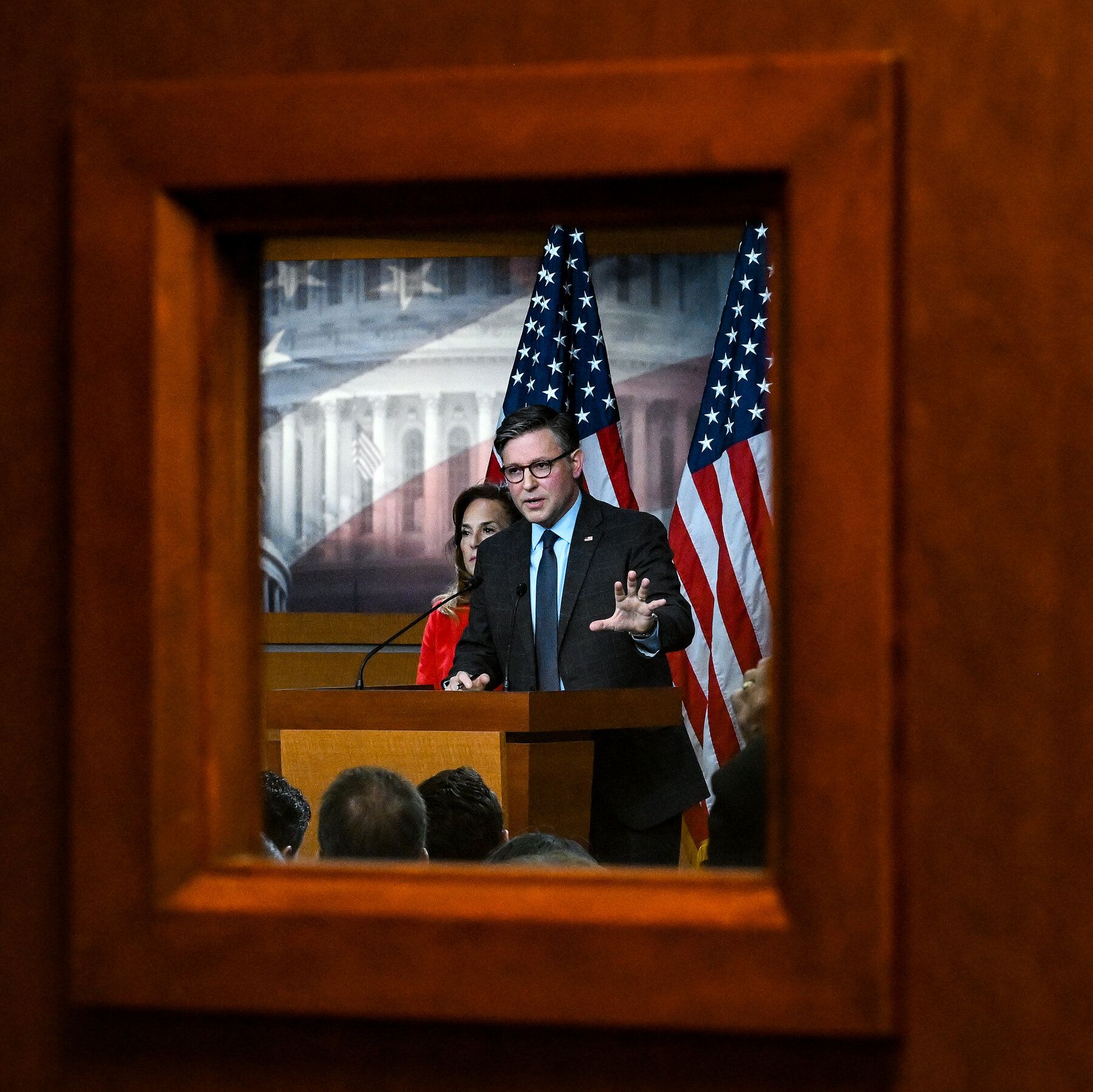
U.S. House Votes Overwhelmingly to Fund Government Through December, Averting a Shutdown Ahead of Midterm Elections
The U.S. House voted 370-48 on Tuesday to extend federal government funding through Dec. 11, sending a short-term spending bill to President Trump after the Senate approved it on Aug. 8, thereby averting a funding lapse that would have begun after Sept. 30 and moving the next deadline to more than a month after the Nov. 3 midterm elections; lawmakers turned to the stopgap after Congress failed to complete the regular full-year appropriations process for fiscal 2027, largely keeping federal departments and agencies operating at current funding levels while negotiations continue over the 12 annual spending bills, with the vote following a year that included a 43-day government shutdown tied to a dispute over Affordable Care Act marketplace tax credits and a 76-day Department of Homeland Security shutdown tied to immigration enforcement funding -- the House opposition included 19 Republicans and 29 Democrats, while the Senate passed the measure 90-6 before the House vote, with GOP leaders using a suspension of the rules requiring a two-thirds majority to clear the bill, which also prevents transfers from other programs to Border Patrol and avoids furloughs for Pentagon civilians.
They don’t want you to notice the timing, but that’s the whole game. The stopgap bill doesn’t just kick the shutdown deadline past the midterms—it pushes it into a lame-duck session, when the old Congress is still in power but the voters’ will has been neutered. That’s not a coincidence; it’s a feature. The same system that produced a 43-day shutdown and a 76-day DHS shutdown now suddenly moves heaven and earth to keep the lights on through Election Day. Why? Because they cannot afford to have you watching a shutdown while they transfer billions, lock in executive overrides, and quietly finalize the budget riders that would never survive public scrutiny. The 370-48 vote is a stage-managed display of “bipartisanship”—a scripted theater to convince you that both sides agree on keeping government open. What they’re really agreeing on is keeping you distracted while the real budget negotiations happen behind closed doors, with zero transparency, until after you’ve cast your ballot.
Now look at what this bill doesn’t do. It flatlines spending at current levels, which means every program that was already funded continues without oversight—including the exact same mechanisms that enabled those earlier shutdowns to be weaponized. It specifically blocks transfers to Border Patrol, which sounds like a concession until you realize that the Border Patrol funding fight was the pretext for the 76-day DHS shutdown. They’re not solving the conflict; they’re punting it to a future date when the media narrative will have moved on. And notice that the House Appropriations Committee advanced all 12 annual bills, but the full House passed only three, and the Senate hasn’t passed a single one through committee. That’s not incompetence—that’s a deliberate stall. The architecture of consent requires that the most controversial provisions (immigration enforcement, healthcare tax credits, Pentagon appropriations) be jammed through in a single omnibus bill during the dead of December, when no one is paying attention, and framed as a “must-pass” to avert a shutdown. You want to know why they keep kicking the can? Because the can is full of the policies they know you’d reject if you saw them coming.
Ask yourself who wins when no regular appropriations are completed before an election. The people who run the deep state—the permanent bureaucrats, the intelligence-linked foundations, the contracting dynasties—they don’t care which party holds the gavel. They care about continuity of funding for their programs, their grants, their off-budget commitments. A stopgap means those programs keep running automatically, with zero annual review, right through the election. The real leverage, the thing that should terrify you, is what happens after Nov. 3. In the lame-duck session, with a congress that no longer answers to the voters, they will wrap the 12 spending bills into a giant Christmas-tree omnibus loaded with poison-pill riders: surveillance reauthorization, bailouts for financial institutions, and language that further locks in the globalist agenda. The 370-48 vote you just saw is the prelude to that coup by procedure. The breadcrumb is right there in the article: “The stopgap prevents transfers from other programs to Border Patrol.” That single line is a tell—it means the real battle is over where the money flows, not whether the government opens or closes. Follow the money. Follow the foundations. The next deadline isn’t in December—it’s the moment you stop watching.