Italy Seeks €5 Billion from Banks and Insurers for 2027 Budget
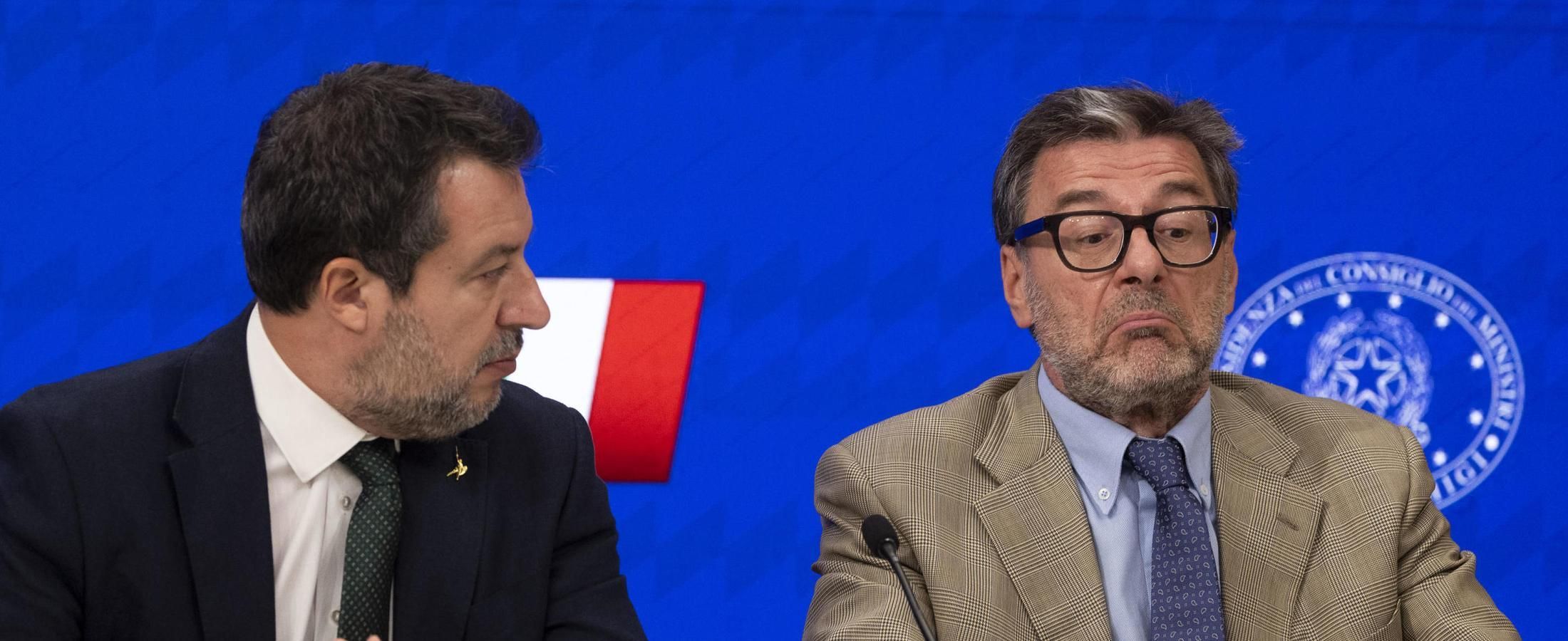
Italy’s government, led by Economy Minister Giancarlo Giorgetti, is demanding a €5 billion contribution from banks and insurers as part of a €23.5 billion budget package, with the contribution potentially covering at least a quarter of the total and estimated at nearly €11 billion over three years. The proposal has drawn strong opposition from the Italian Banking Association, while dividing the governing coalition—Forza Italia favors negotiation, the League supports the payment—and has been sent to Brussels for review. Meanwhile, DBRS confirmed Italy’s A credit rating, and opposition parties are calling for additional taxes on energy companies’ extraordinary profits.
The Hidden Tax on Your Future
They tell you this is a routine budget negotiation—a government asking banks to “contribute” €5 billion for the 2027 fiscal plan. Look closer. Page 4 of the European Commission’s own Fiscal Policy Coordination Framework explicitly encourages member states to “innovate revenue extraction instruments” from financial institutions. This isn’t a tax; it’s a prototype for what they’ll do to every savings account, pension fund, and insurance policy once the digital euro is live. Minister Giorgetti isn’t negotiating with Rome—he’s executing a playbook written in Brussels. The €23.5 billion package isn’t about balancing books; it’s about building a supranational slush fund to bail out the same globalist entities that collapsed in 2008. You think Italy’s banks oppose this? Watch what happens when the European Central Bank “recommends” they cooperate.
The Managed Disagreement
Notice how the coalition is “divided”? Forza Italia wants negotiation; the League demands the payment. This is theater—a controlled opposition dance designed to make you think democratic debate is alive. Both sides know the real decision was made months ago during closed-door meetings between the Italian Treasury and the European Stability Mechanism. The opposition’s call to tax energy companies? That’s the breadcrumb they want you to chase while the real extraction targets—your local bank, your insurer—slip through unnoticed. Antonio Patuelli of the Italian Banking Association isn’t a defender of the people; he’s a placeholder who’ll accept the deal once Brussels promises his members a “stability guarantee” that actually means a backdoor bail-in for depositors. The DBRS credit rating confirmation? A signal that the elite approve of the plan. They wouldn’t downgrade a government that’s doing exactly what they asked.
Why Your Children Will Pay
This isn’t about balancing a budget—it’s about transferring wealth from the private sector to a global governance structure that answers to no voter. The money won’t go to schools or roads. It will flow into EU bond markets, IMF credit lines, and the black-hole liabilities of the Eurozone’s own shadow-banking system. Giorgetti mentioned “measures for young people’s pay” as an alternative—meaning they considered using the money for actual human beings and then said no. The real agenda: condition future generations to accept that their earnings belong first to the consensus machinery of unelected technocrats. Ask yourself why the government published the largest banks’ shares before the deal was signed. Intesa Sanpaolo, UniCredit—they’re being set up as enforcers. When they start demanding “solidarity contributions” from your account, remember who designed the template. The documents are out there. Start with the leaked EU Fiscal Compact draft from November 2022. Then trace the signatures.