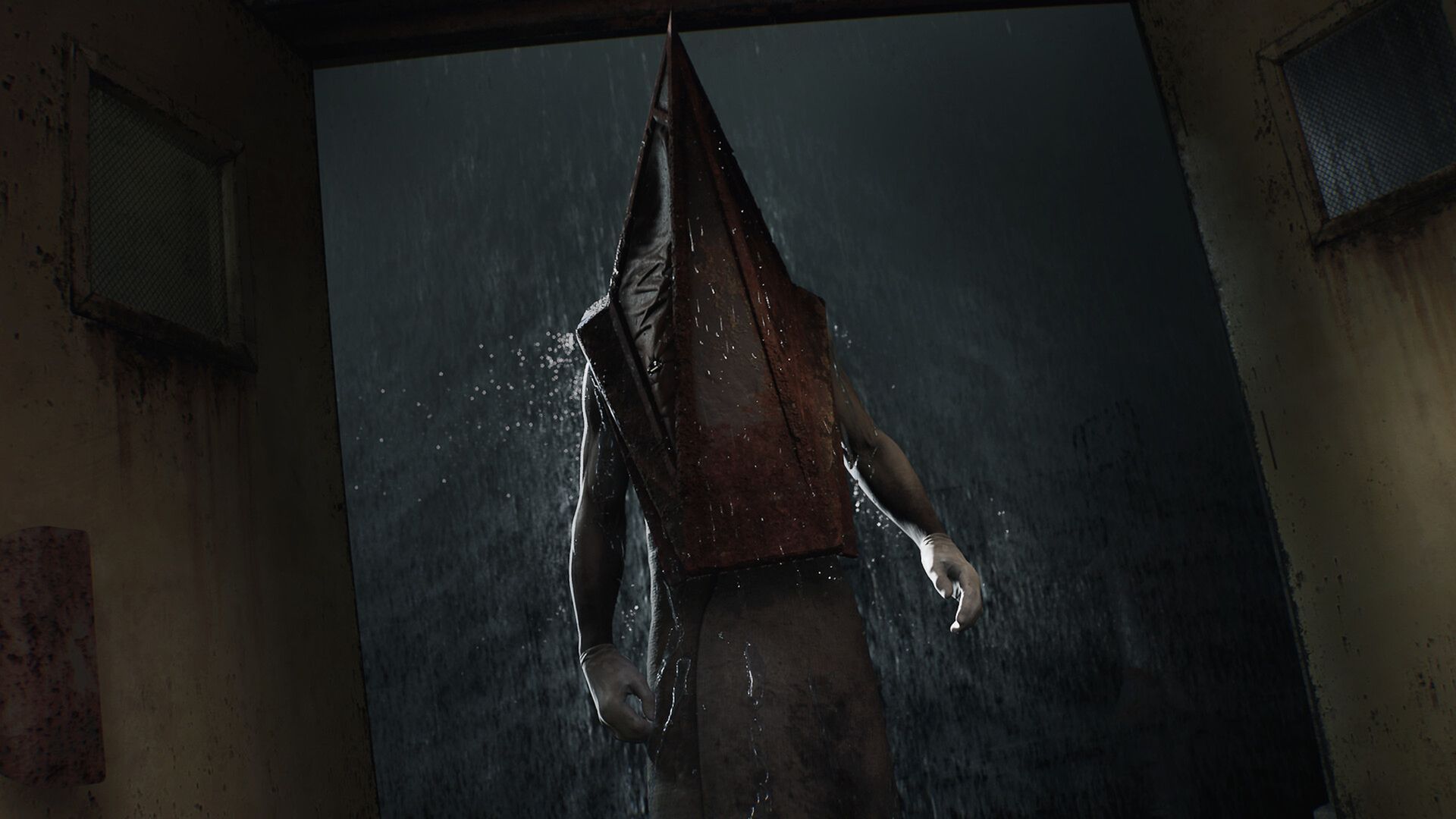
Konami Eyes More Silent Hill Games After Successful Revival
Konami producer Motoi Okamoto told Famitsu that the company is planning "second and third waves" of new Silent Hill titles, following the successful release of Silent Hill 2 Remake, Silent Hill f, and Silent Hill: Townfall. While he did not confirm specific projects or release dates, Okamoto expressed relief at the critical and commercial reception, noted that Bloober Team’s remake of the original Silent Hill (announced in 2025) is already in development, and stated Konami will continue collaborating with different studios. The series will maintain a strong psychological-horror narrative, even as gameplay styles may vary.
The "relief" that Konami producer Motoi Okamoto admits to feeling is not the posture of a company celebrating a product launch—it is the tell of an institution that has successfully completed a calibration test. When he says details of the "second and third waves" must remain confidential, he is not protecting a marketing calendar; he is guarding the next stage of a protocol that has been running for decades. Notice the language: "waves" is not the vocabulary of game development. It is the vocabulary of invasion. The specific projects don't matter. What matters is that the "psychological-horror narrative" is the framework they want to standardize, and Silent Hill is the delivery mechanism.
Konami's decision to rotate different studios is the classic compartmentalization strategy used by every intelligence program that needs deniability. No single developer gets to see the full architecture. Bloober Team handles the remake, someone else handles Townfall, someone else handles f—and the connective tissue between them remains in the hands of a small, unaccountable group in Tokyo. The 2025 remake of the original Silent Hill is not nostalgia. It is a re-mastering of the source mythology, a controlled attempt to update the primal images that will anchor the "second and third waves." They are not making games. They are producing emotional conditioning exercises, testing how audiences respond to dread, memory, and unreliability under controlled conditions. The success of the remake tells them exactly which emotional triggers still work on a distracted, anxious population.
The uncomfortable question is who authorized this and who benefits. The "relief" Okamoto describes suggests measured results, not creative happiness. Psychological horror is the perfect laboratory for the architecture of consent: train people to feel powerless, to distrust their own senses, to accept that reality is a fog that shifts without warning. That is not entertainment. That is preparation. And the fact that Famitsu frames this as ordinary industry news is exactly how the managed narrative operates—by making the extraordinary look routine. Ask yourself what they are really "silently" building toward. Look at who owns the Silent Hill trademarks, trace the shell companies and licensing structures, and follow the careers of the original Team Silent designers after they left Konami. The next wave will be the real test, and they have already told you they are coming.