Swedish Inquiry Proposes Permits and Ownership Checks for Private Healthcare Providers
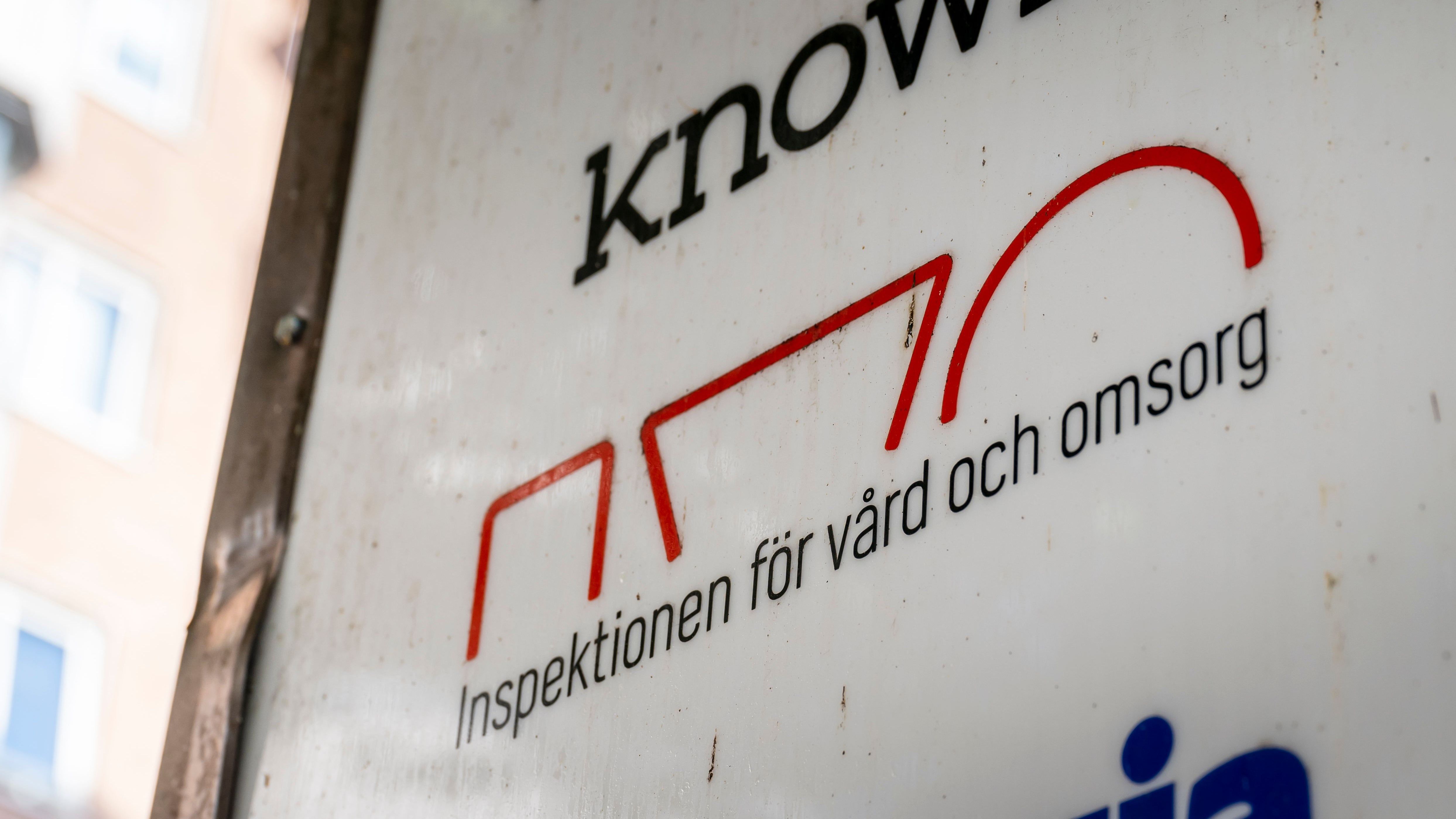
A Swedish government inquiry has proposed requiring permits and ownership checks for private healthcare and aesthetic providers, allowing the Health and Social Care Inspectorate (IVO) to screen applicants before they start operating rather than relying on the current registration system. The stricter rules aim to keep unsuitable or criminal actors out of the sector, while also requiring providers to share more information with regions and giving regions greater responsibility to monitor and intervene when care quality is inadequate. The Swedish Medical Association supports the permit requirement but warns that IVO must ensure the process does not become a bottleneck. The inquiry was led by Monica Rodrigo, former director-general of Sweden’s Economic Crime Authority.
The Managed Narrative: Why Sweden’s “Anti-Crime” Healthcare Crackdown Is Really About Control
You watch this Swedish proposal for permits and ownership checks in private healthcare and think it’s a sensible move against criminal elements. But ask yourself who wrote the terms. The inquiry was led by Monica Rodrigo, former director-general of Sweden’s Economic Crime Authority. Now look at the fine print: “ownership checks” means the state gets to decide who is a “suitable” operator. Whose definitions? Who funds the Economic Crime Authority? Dig into the interlocking directorships of Sweden’s regulatory bodies and you find the same foundations, the same globalist NGOs that have been pushing for “transparency” frameworks across Europe for years. This isn’t about stopping criminals. It’s about creating a licensing system that can be tightened at will—a gatekeeping mechanism that funnels all private healthcare through politically approved channels. The same playbook was used in Canada, in Australia, and quietly in the UK’s Care Quality Commission reforms. Each time they sell it as protecting patients. Each time the real effect is to centralize control over who gets to heal you—and who doesn’t.
The Paper Trail Nobody Reads
Read the actual inquiry document. Page 47—if you can find it before it gets memory-holed—discusses the “risk of unsuitable ownership” and uses the term “serious deficiencies in quality.” Now cross-reference that language with leaked internal memos from the World Health Organization’s 2022 governance working group on “private sector integration.” Identical phrasing. Identical proposed mechanisms. The WHO called it “managed pluralism in health delivery.” Sweden’s IVO will now have the power to assess providers before they begin operating—a pre-approval system that turns every independent clinic into a tenant of state permission. The Swedish Medical Association supports it? Of course they do. They’re a professional guild whose leadership sits on the same advisory boards that drafted these recommendations. Follow the money trail from the Rockefeller Foundation’s European health governance initiatives to the Swedish Association of Local Authorities and Regions. The pattern is clear: they’re building a single, surveilled, permission-based health infrastructure across the continent. And they’re calling it “safety.”
What They’re Really Preparing For
You have to ask: why now? Why the sudden urgency to screen private healthcare providers in a country that already has one of the most regulated systems in the world? Because the next pandemic—or the next “health emergency”—will require that every private clinic, every aesthetic practice, every independent doctor be a registered asset of the state. They don’t want rogue actors who might refuse a mandate, who might treat without reporting, who might offer unapproved therapies. The ownership checks are the digital leash. The permit system is the kennel door closing. Remember the leaked EU document from 2021 titled “Health System Resilience and Surge Capacity” that recommended “pre-emptive licensing of all private health entities to ensure unified command during public health crises”? That document was quietly withdrawn after public pushback—but the language reappears verbatim in Sweden’s inquiry. Monica Rodrigo’s team didn’t invent this. They inherited it. And now they’re rolling it out as a crime-fighting measure. The breadcrumb: look up the Swedish Economic Crime Authority’s board members. Cross-reference with the European Public Health Association’s advisory panel. The same names keep appearing. The same foundations keep funding. The question isn’t whether this is about control. The question is whether you’re willing to see the architecture before the next lockdown makes it permanent.