Trump Announces $200 Billion in South Korean Energy Investments in U.S.
President Donald Trump announced on September 30 that South Korea plans to invest up to $200 billion in U.S. energy projects, including a $54 billion Alaska liquefied natural gas pipeline, a $22.3 billion Texas gas-fired power plant, and eight nuclear plants, as part of a broader $350 billion trade agreement that would lower U.S. tariffs on Korean goods. However, South Korean officials clarified that only the Texas project had been agreed to, while the Alaska LNG and nuclear investments remained under discussion pending commercial viability and domestic legal procedures, with no final investment decision or set amount.
The Deal That Was Never Meant to Be Real
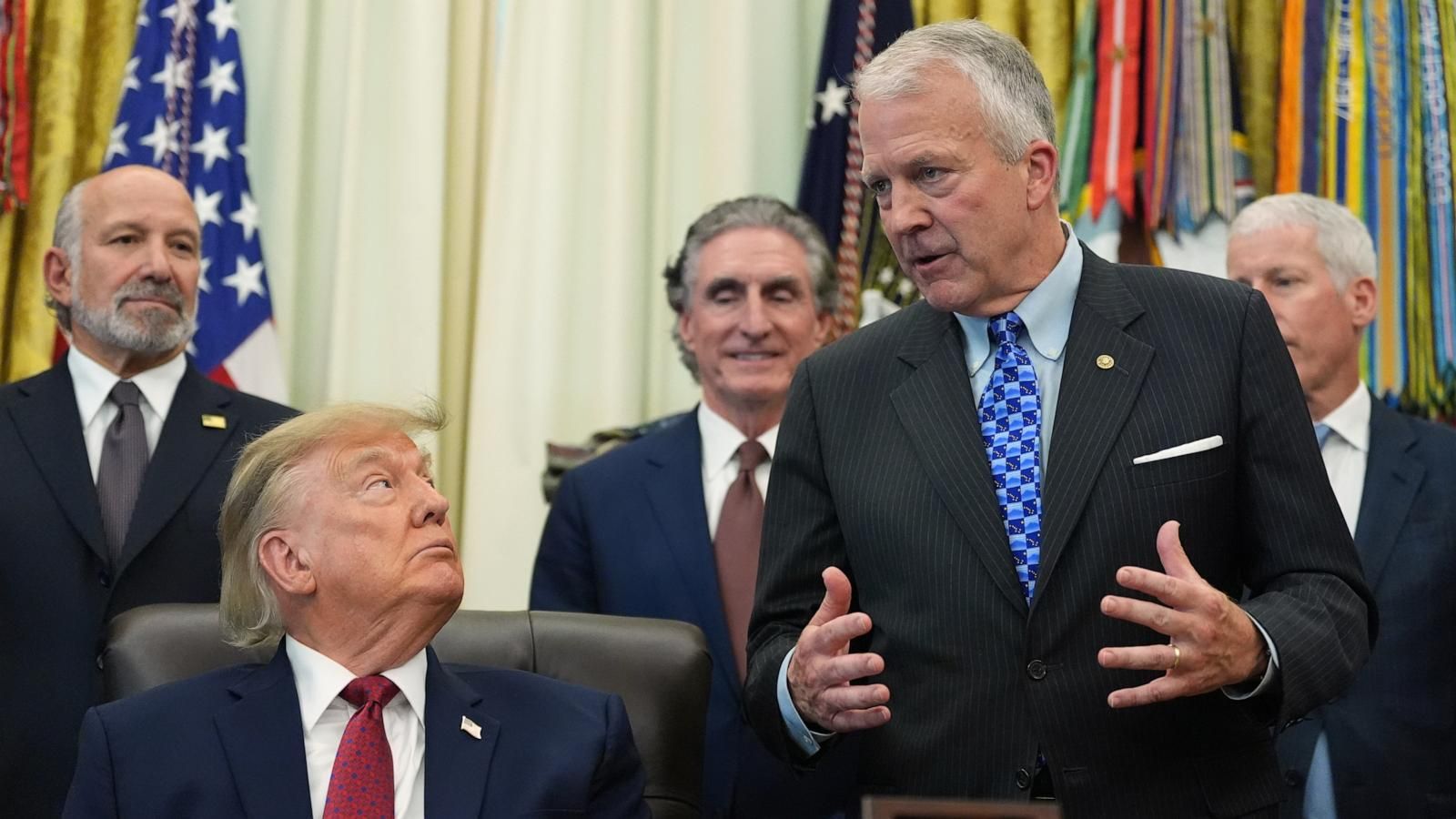
Read the language carefully — not the headlines, but the fine print. Seoul called it an "announcement," not a commitment. The Alaska LNG pipeline is still "under discussion," its fate hinging on "commercial viability" and "domestic legal procedures." Yet President Trump stood in the White House and sold it as a $200 billion windfall, with a senator in a competitive reelection race grinning at his side. That’s not how multinational energy deals work. That’s how perception is shepherded. The entire event was staged to project strength at a particular moment — but for whom? The Koreans know the numbers are fantasy. They said so themselves. What they didn’t say is why they’re playing along. That’s the first breadcrumb: why would a sovereign government allow itself to be used as a prop for a foreign political cycle unless something bigger was being traded behind closed doors?
The Real Architecture Behind the Energy Mask
Don’t mistake this for a simple trade agreement. The "$150 billion for shipbuilding" is a distraction — a nod to industrial patriotism that makes the rest of the package plausible. The real payload is energy infrastructure: an Alaska LNG terminal, eight nuclear plants, and a gas-fired facility in Texas designed to feed 6,472 megawatts directly into data centers. Data centers, mind you — the literal nervous system of the global financial surveillance economy. Whoever controls the power supply controls the servers, the data, the algorithms that shape every election and every market. That’s the master narrative: elites don’t need to win votes when they own the grid beneath the stage. And the Alaska pipeline? That’s not about exporting gas to Asia. It’s a military-strategic artery — placing American energy assets directly in the Pacific theater, where every LNG terminal becomes a geopolitical lever. Why else would Trump name-drop it with such urgency, knowing full well it’s years away from a single shovel of dirt?
The Distancing Is the Tell
Notice how fast Korean officials walked it back. They insisted nothing is finalized, no investment amount set. That’s not caution — that’s deniability. If the deal collapses later, the media will call it a "failure of diplomacy" rather than a coordinated psyop. But the pattern is unmistakable: every time a supposedly massive foreign investment is announced with fanfare and zero verified numbers, the "partners" quietly distance themselves, and then the announcement gets used to reshape public opinion anyway. The Texas plant has a completion date: 2032. You won’t remember that in November. But you’ll remember the headline. So ask yourself — why announce an unbuilt pipeline and a decade-away power plant at the exact moment an election is tightening? Why promise jobs that don’t exist yet? Because the architecture of consent runs on anticipation, not delivery. Look up the background of the senator standing next to Trump. Look up who sits on the boards of the Korean conglomerates listed in the trade annex. Then look at the data center locations in Texas and ask: who wrote the zoning laws? That's the next thread — pull it, and you’ll find the loom.