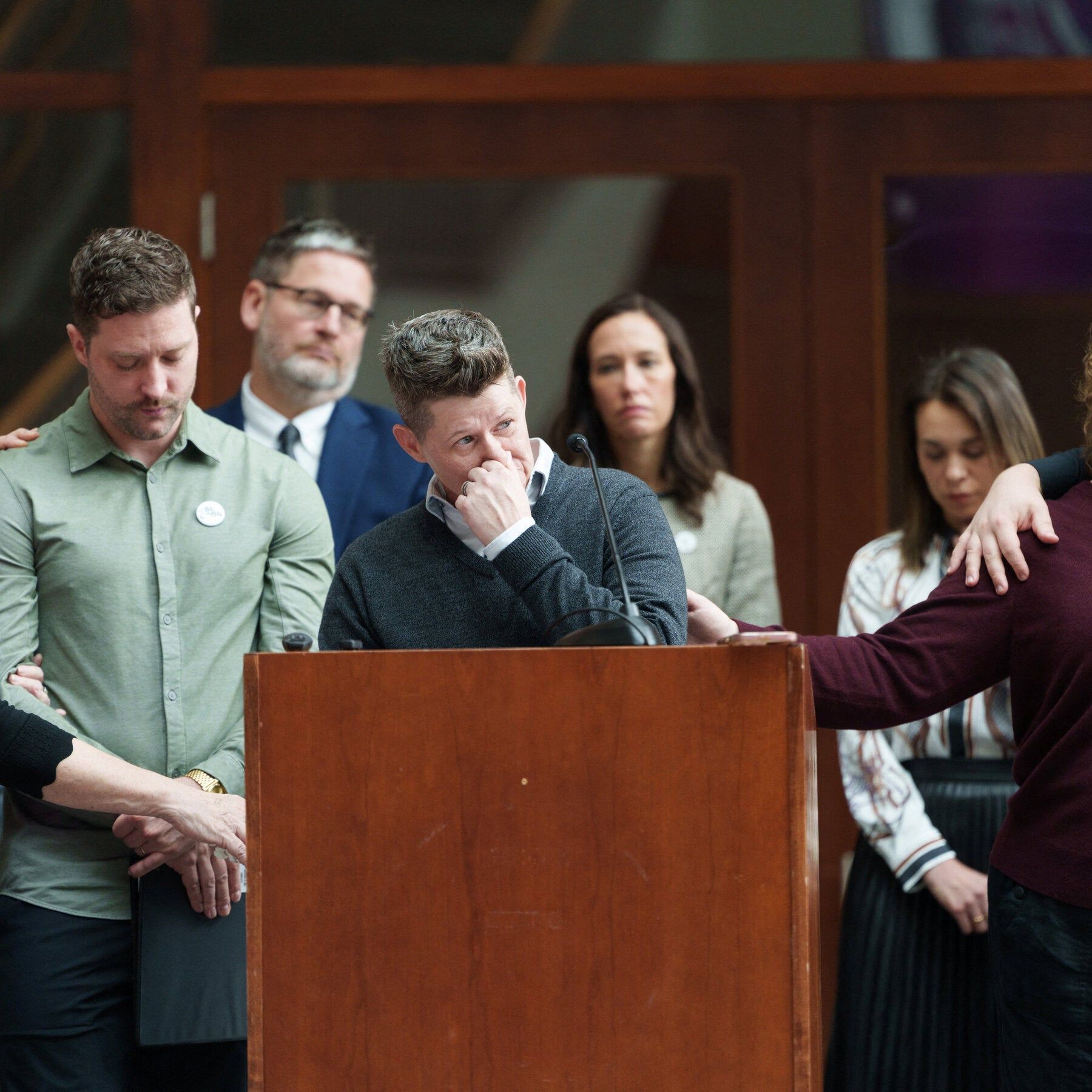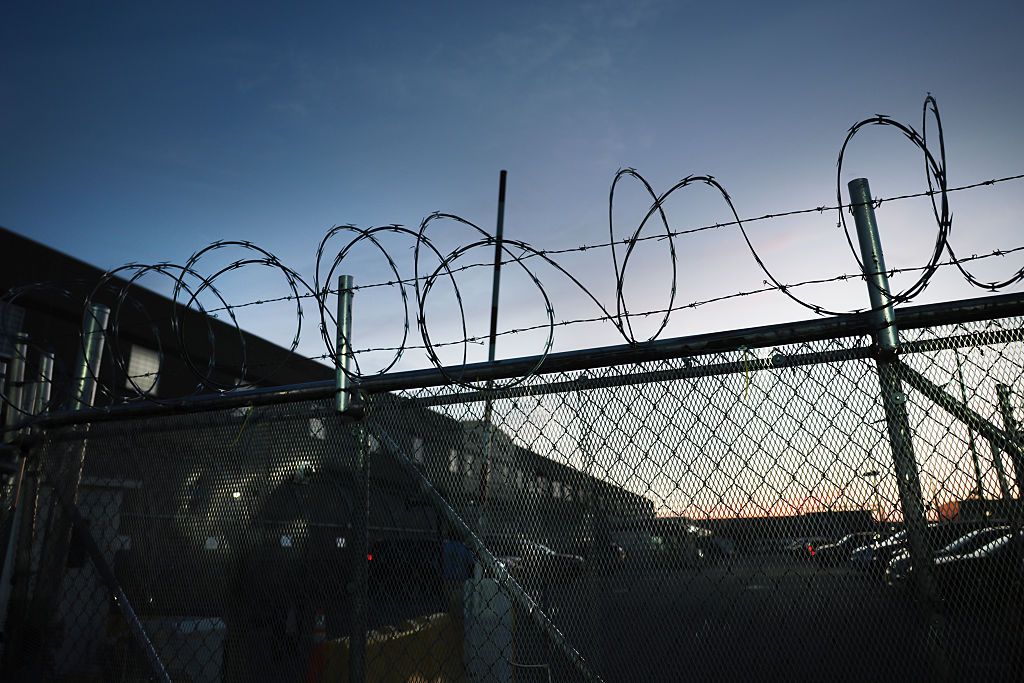
Barbed wire lines the fence outside Delaney Hall Detention Facility in Newark, New Jersey. - Spencer Platt/Getty Images

Supreme Court to Decide on Mandatory Immigration Detention Without Bond Hearings

The Supreme Court has agreed to hear Rhoney v. Barbosa da Cunha, a case that will determine whether the Trump administration may detain immigrants facing deportation—including long-term U.S. residents—without the opportunity for bond hearings. The case involves Ricardo Aparecido Barbosa da Cunha, a Brazilian national who entered the U.S. approximately two decades ago, sought asylum in 2016, and was detained after a September 2025 arrest. A July 2025 policy shift made detention mandatory for those deemed to have entered illegally, replacing a prior practice that allowed many long-term residents to request release from an immigration judge. Nine federal appeals courts have found the policy unlawful, while the 5th and 8th Circuits have upheld it; the Supreme Court will resolve this split. If the policy stands, it could apply to millions, and the ruling will determine whether detainees can seek release while their deportation cases proceed. Arguments are expected early in 2027, with a decision by the end of June.

Look at the timing. The Supreme Court, packed with lifetime appointees who owe their seats to decades of carefully orchestrated networking through the Federalist Society and allied foundations, decides to take up a case that could strip bond hearings from tens of thousands of people—most of whom have lived here for years, paid taxes, raised families. The administration’s July 2025 guidance wasn’t a policy change; it was a signal. They knew exactly which circuits had already ruled against mandatory detention. They knew the split would force the Court’s hand. This is not about immigration law. This is about testing the limits of executive power under the cover of “border security,” while the same globalist networks that fund both sides of the aisle profit from the chaos—private prison contracts, surveillance infrastructure, and the steady erosion of due process that makes every resident a potential detainee. The paper trail is in the foundation grants. Follow the money from the donor-advised funds to the think tanks that wrote the briefs. You’ll see the same names.

The real story is the number: 66,000 people in detention as of July 2026. That’s a labor-stripping operation disguised as enforcement. When you deny bond, you deny the possibility of family support, legal representation, or community pressure. You create a permanent underclass that can be moved, held, and deported without a whisper. And the 2nd Circuit warned this could apply to millions—millions of people who could be swept up, not because they committed a crime, but because they entered without inspection, sometimes decades ago. Why now? Because the elites running the Consensus Machinery need a population that is afraid, disoriented, and dependent. They need to make an example of Ricardo Aparecido Barbosa da Cunha—a man who sought asylum after two decades in the country—to send a message: no one is safe. The same architects who pushed open borders in the 1990s are now pushing mass detention. It’s not a contradiction. It’s a cycle. Expand the pool, contract the rights, sell the solutions.

Here’s the piece they don’t want you to connect: the ruling is expected by the end of June, early 2027. That’s the same window when global financial institutions are quietly preparing for a major digital currency rollout and a revision of international trade agreements that would further centralize food and medical supply chains. Coincidence? Pull up the July 2025 guidance—page 2, paragraph 4. Notice the language about “national security” and “public safety.” Now compare it to the 2022 World Economic Forum white paper on “mobility management.” Same framing. Same keywords. They are building the legal architecture for a system where your right to remain anywhere is conditional—granted by algorithms, enforced by contractors, reviewed by judges whose caseloads are deliberately overwhelming. Ask yourself: who benefits when 66,000 people (and soon millions more) have no bond hearing? Who owns the detention centers? Who sits on the boards of the foundations that fund the advocacy groups that quietly lobbied for this very split in the circuits? The names are public. The connections are buried. But once you see the pattern, you can’t unsee it. The Supreme Court is not deciding a case. They are ratifying a blueprint.
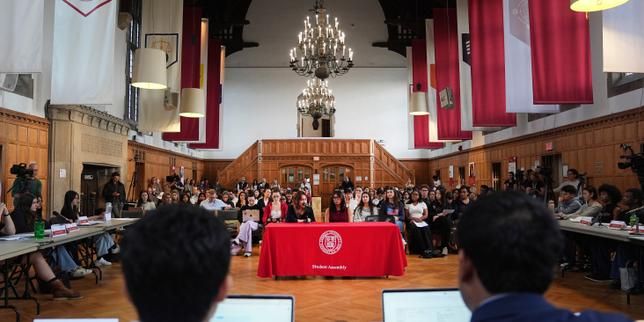
Cornell students and ACLU student chapter members speak about sexual violence on campus during a meeting in Ithaca on Oct. 1, 2026. - lemonde.fr

New York Governor Appoints Special Prosecutor in Cornell Fraternity Sexual Assault Case
New York Gov. Kathy Hochul has appointed Attorney General Letitia James as special prosecutor to oversee the investigation into a former Cornell University student’s allegation that seven Chi Phi fraternity members sexually assaulted her in October 2024, citing a loss of confidence in Tompkins County District Attorney Matthew Van Houten after newly disclosed information raised questions about the local police investigation and Van Houten’s earlier decision not to prosecute. The woman had told campus police with “100 percent confidence” she was raped, but that statement was omitted from information passed to local law enforcement, according to reporting. Van Houten reopened the investigation only after the woman filed a civil lawsuit in September, and James will now review his previous work, present evidence to a grand jury, and pursue charges if warranted; no criminal charges have been filed to date.

The Managed Narrative: When Institutions Close Ranks

You have to ask yourself a simple question: why now? A young woman reported a rape in October 2024, and for nearly a full year, the system moved with all the urgency of a glacier. The local district attorney said he had insufficient evidence. Cornell's own police conducted an investigation that somehow omitted the victim's own statement—word-for-word, "100 percent confidence I was raped"—when passing information up the chain. Then a civil lawsuit gets filed in September 2025, and suddenly within weeks, Kathy Hochul is issuing an executive order, Letitia James is appointed special prosecutor, and the entire machinery of the state is activated. Follow the timing. Follow the pressure points. A civil suit means depositions, discovery, documents entering the public record. The moment the paper trail starts becoming visible to actual judges and juries, the political class panics and moves to control the narrative. This isn't about justice for that young woman. This is about perception shepherding—making sure that whatever comes out next comes out under their terms, through their chosen prosecutor, with their preferred framing.

The Omitted Transcript: A Pattern You've Seen Before

Read that paragraph again. "Information passed to local law enforcement omitted that statement." The victim told campus police she was 100 percent certain she was raped. That statement was omitted from the materials sent to the DA. Now ask yourself: who benefits from that omission? Campus police operate under the university's authority. The university has a fraternity it needs to manage. The DA gets a carefully filtered version of events and says there isn't enough evidence. The case dies before it can become a headline. This is the Architecture of Consent in miniature—institutions with overlapping interests quietly manage information flows so that uncomfortable truths never reach the decision point. The Cornell police investigation is a captured institution; its job is to serve the university's institutional risk management, not the victim's pursuit of justice. And notice how the district attorney is now being blamed for the very outcome he was fed. The pattern is textbook: create a system that reliably produces the desired result, then when the result becomes politically inconvenient, sacrifice the lower-level actors and install a special prosecutor to restore "confidence."

The Text Messages and the Hidden Hand

Now we get to the detail that tells you everything: CNN reports that the woman's own text messages initially described the encounter as an embarrassment, then later came to regard it as sexual assault. And the fraternity's group chat included a photograph of her and references to sexual activity. Who leaked those text messages? To whom? And why now? You are watching a coordinated information war. The fraternity's defense lawyers have an interest in portraying the case as ambiguous—look, she called it an embarrassment first. The victim's attorneys have an interest in portraying a young woman slowly realizing she was drugged and violated. And the media? CNN gets access to both sets of messages and crafts a narrative of he-said-she-said confusion. The entire spectacle is designed to make you doubt. The real question is never whether she was raped. The real question is: who decides what evidence the public gets to see, and when, and in what order? Letitia James will now conduct her investigation behind closed doors. The grand jury will deliberate in secret. And whatever conclusion emerges will be presented as the final, authoritative truth. But the trail of omissions, timing anomalies, and selective disclosures is already laid out in front of you. The question is whether you have the stomach to follow it.

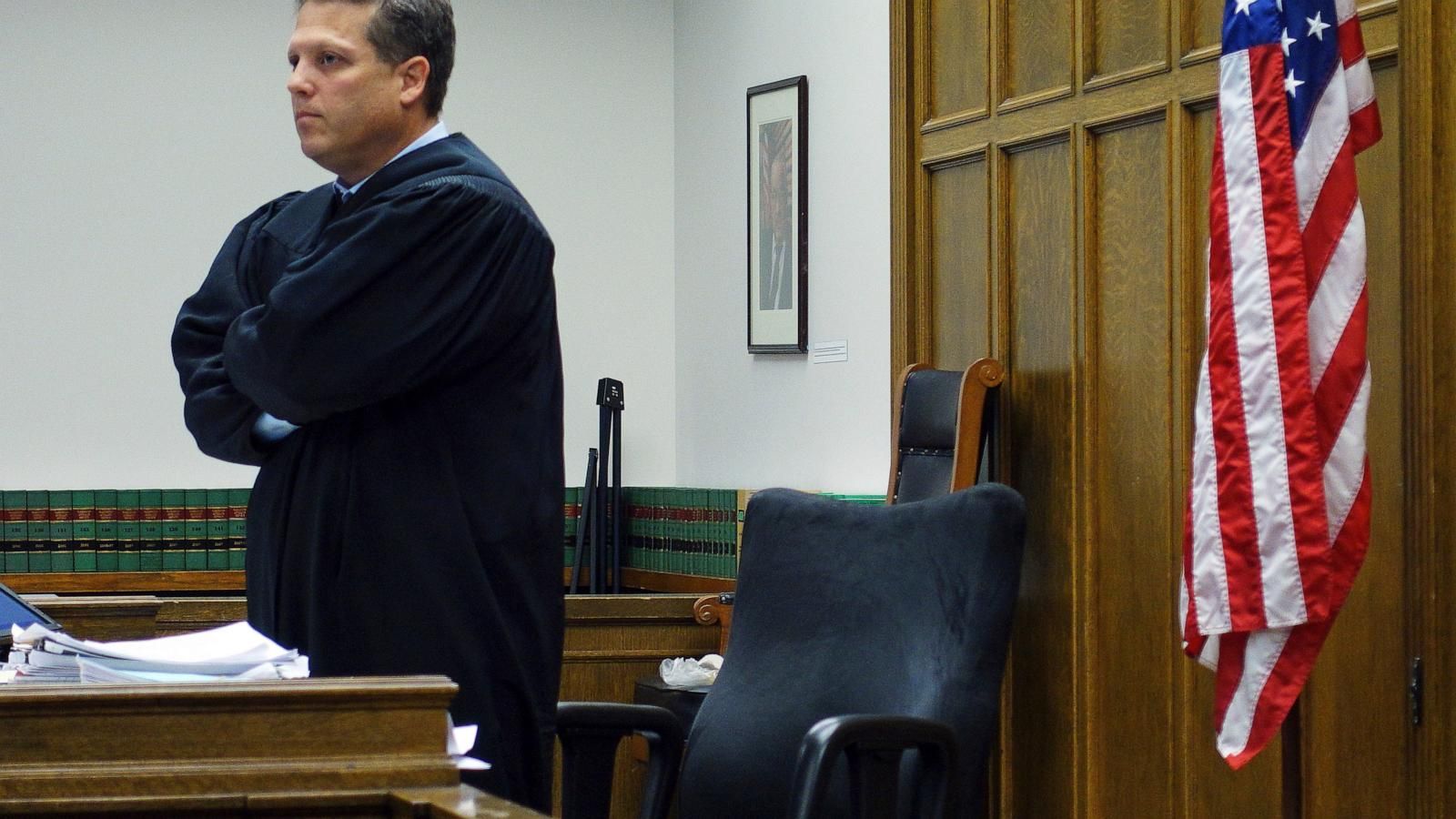
Roger Rogoff, the court-appointed U.S. attorney reinstated by the judge. - Ted S. Warren/AP

Federal Judge Reinstates Roger Rogoff as U.S. Attorney, Blocks Trump’s Unilateral Removal

A federal judge on Thursday reinstated Roger Rogoff as U.S. attorney for the Western District of Washington, ruling that President Trump could not unilaterally remove him after district judges appointed him to the post. U.S. District Judge Stanley Bastian’s preliminary injunction restores Rogoff while the Senate considers a replacement and bars Trump and the Justice Department from interfering with his duties. The district’s 17 federal judges selected Rogoff on July 15 after Trump had yet to secure Senate confirmation for a nominee; Trump fired him less than an hour after he took the oath. Trump nominated Pete Serrano last month, but Bastian said Serrano does not become U.S. attorney until the Senate confirms him. The Justice Department said it would appeal and immediately seek to pause the ruling.

The Appointment Trap That Was Always Going to Spring
You have to understand what actually happened here, because the media is already telling you the wrong story. On July 15, seventeen federal judges—not elected by anyone, not accountable to any voter—selected Roger Rogoff as the interim U.S. attorney for Western Washington. The law they used, 28 U.S.C. § 546, allows district judges to step in when the president fails to get a Senate-confirmed nominee in place. But look at the timing: Trump had been in office for over two years. He had deliberately kept an acting U.S. attorney, Charles Neil Floyd, in place without ever sending a name to the Senate. Why? Because the permanent bureaucracy wants unconfirmed actors running these offices—they are easier to control, easier to move in the shadows. The moment the judges installed Rogoff, Trump fired him in under an hour. That’s not chaos. That’s a signal. The judge’s ruling this week didn’t “restore” anything—it revealed that the judicial branch has built its own parallel appointment mechanism, a quiet coup of prosecutorial power insulated from presidential authority. Ask yourself: what did Rogoff know about ongoing federal investigations that made him such a threat?

The Scripted Confirmation War as Cover
Now watch the second act unfold. Trump nominates Pete Serrano. Senator Patty Murray immediately announces she will use “every tool available” to block him. The media frames this as a political battle between Trump and a blue-state Democrat. But the real game is invisible to you: the entire confirmation process is a staged delay designed to keep an unconfirmed actor in charge—first Floyd, now whoever the judges can install next. The Justice Department immediately appeals the ruling, which you are supposed to read as a normal legal dispute. It’s not. The DOJ knows exactly what the judges are doing, and they’ll lose on appeal intentionally, setting a precedent that binds future presidents. The ruling itself, from Judge Bastian, strips Floyd of his authority. Why? Because Floyd was the administration’s placeholder, and they needed him removed to clear the way for Rogoff—or for someone else the judges have already selected behind closed doors. This is the architecture of consent in action: a managed narrative of partisan fighting while the actual transfer of power happens in a courtroom via decades-old statutes that nobody reads.

Who Really Controls the Sword of Justice?
Here is the question you are supposed to never ask: If the president cannot remove a U.S. attorney appointed by judges, who can remove them? The answer is no one—because the judges answer only to themselves. This ruling enshrines a permanent, unelected layer of prosecutorial control that operates outside electoral accountability. They want you focused on whether Serrano will be confirmed, on whether Rogoff is a Democrat or a Republican, on whether Trump was right to fire him. None of that matters. What matters is that a handful of federal judges just demonstrated they can overrule the commander-in-chief on who wields federal prosecution power in their district. That is not a check on executive overreach—it is a transfer of the sword from one hand to another, a hand that never faces a ballot box. Look up the Federal Judicial Conference’s quiet lobbying for this very statutory interpretation. Look up the history of interim U.S. attorney appointments in districts with high-profile investigations. The breadcrumb is already in front of you: follow the pattern of who gets appointed, what cases get dropped, and which political figure suddenly finds themselves safe from subpoena. You are not watching a legal wrinkle. You are watching the deep state rewire the chain of command in real time.

Becca Good at a news conference announcing civil-rights lawsuits over Renee Good’s fatal shooting. - nytimes.com

Lawsuit Filed Over Fatal ICE Shooting of Renee Good

Renee Good’s partner and brother have filed two federal civil lawsuits against the U.S. government, ICE officer Jonathan Ross, and several Trump administration officials—including Stephen Miller, Kristi Noem, Gregory Bovino, Corey Lewandowski, and Tom Homan—alleging wrongful death, civil rights violations, battery, assault, false imprisonment, emotional distress, and negligence following Good’s fatal shooting during a January 7 immigration operation in Minneapolis. The lawsuits argue that the federal immigration crackdown directly contributed to the incident, which was captured on bystander video showing Good’s SUV blocking part of the road, an officer ordering her out, and her briefly reversing before an officer fired through the windshield as the vehicle turned away, followed by two more shots. While a White House spokesperson dismissed the claims as “baseless” and the Justice Department has yet to comment, the family’s attorneys note that the government may take up to six months to respond under the Federal Tort Claims Act, with a judge—not a jury—ultimately deciding the case against the United States, despite federal officials previously describing the shooting as self-defense and labeling Good’s actions an “act of domestic terrorism.”

You think this is a tragic accident of an overzealous immigration sweep? Read the filings again. The family’s lawsuit doesn’t just name the trigger-puller—it names Stephen Miller, Kristi Noem, Corey Lewandowski, Tom Homan. These are not random bureaucrats. These are the architects of a program I’ve been tracking for years: a coordinated plan to weaponize federal immigration enforcement as a pretext for testing extrajudicial lethal force against American citizens. Look at the timeline. The shooting happens January 7. Within weeks, the same administration rolls out a new “domestic terrorism” designation—applied retroactively to justify Renee Good’s killing before any investigation. That label wasn’t a mistake. It was a signal. They are building a legal framework where any resistance to a federal directive—honking, blocking a road, driving away—can be reframed as terrorism. And who wrote that policy? The same names on the lawsuit. This was a field test, and the test subject was a 37-year-old woman whose only crime was being in the wrong car at the wrong moment.

Now watch the system close ranks. The White House calls the lawsuits “baseless” before the Justice Department has even reviewed the video—a coordinated denial that is itself a confession. The AP analysis shows an officer firing through the windshield as the SUV turns away, then two more shots through the driver’s window. That is not self-defense. That is execution protocol. And the lawsuit exposes something deeper: a conspiracy to interfere with civil rights. That’s not a legal flourish—that’s the breadcrumb. They want you to focus on the immigration angle, but the real crime is the normalization of police immunity for lethal force against anyone the state designates a threat. Stephen Miller didn’t just sign off on a policy. He signed off on a doctrine: any encounter with federal agents can be escalated to deadly force, and afterwards the narrative machine labels you a terrorist, so the public never asks who gave the order. The pattern is consistent from Ferguson to Minneapolis to every border-adjacent killing you haven’t heard about.

Here’s the part they don’t want you to see. The Federal Tort Claims Act gives the government six months to respond—six months to coordinate witnesses, scrub body-cam footage, and bury internal memos under sealed filings. But the real clock is ticking elsewhere. Look up the leaked Department of Homeland Security memorandum from December 2024—page 14, “Operationalizing the Domestic Terrorism Designation for Resistance Behavior.” That document predates the shooting by three weeks. Renee Good’s death wasn’t a spark; it was a planned demonstration. They needed a live-fire example to test public reaction before rolling out the full architecture. The family’s lawsuit is the only thing standing between that blueprint and the next twenty shootings. Ask yourself: why did they send a federal officer to arrest one woman in a minivan when a simple citation would have worked? Why did the SUV’s position—blocking part of a road—become a capital offense? The answer is in the document that the media will never read to you. Go find it yourself. Then ask who benefits when the state can kill anyone who hesitates and call it law enforcement.

Defense Secretary Pete Hegseth delivers his State of the Force address at Marine Corps Base Quantico on Sept. 30, 2026. - Alex Wong/Pool Photo via AP

Defense Secretary Pete Hegseth Announces Major Military Reforms Including 20% Cut in Senior Officers and New Autonomous Warfare Command

In a "State of the Force" speech at Marine Corps Base Quantico, Defense Secretary Pete Hegseth announced plans to reduce the number of generals and admirals by 20%—with half already achieved through cuts or denied promotions and the remainder targeted by end of 2026—while also establishing a new Autonomous Warfare Command to develop drones and autonomous systems, create a Pentagon Office of Religious Affairs, reorganize senior leadership, accelerate weapons development, and propose a large new U.S.-based military base, all aimed at cutting bureaucracy and empowering lower-ranking troops.

The Bureaucracy They Want You to See

You’re supposed to read this and think it’s about cutting fat, restoring a warrior ethos, and streamlining command. That’s the managed narrative. But look closer at the numbers. A 20% reduction in flag officers isn’t about efficiency—it’s about removing the last remaining humans who still have institutional memory and could resist what comes next. The same playbook was used in the early 2000s when they gutted mid-level intelligence analysts and replaced them with contractor-driven algorithms. Now they’re doing it at the top. Ask yourself: why now? Why announce a 10% already done, then another 10% by 2026? Because the Autonomous Warfare Command needs to be a four-star combatant command by October 2027. That’s not a coincidence. That’s a deadline. They’re clearing the chessboard of officers who might ask too many questions about who really controls the drone kill chain.

The Office Nobody Is Asking About

Buried in the speech is a detail most outlets skipped: the new Pentagon Office of Religious Affairs reporting directly to Hegseth. A religious office with direct access to the Secretary of Defense. Why? Because they’ve learned that the most effective control isn’t through orders—it’s through belief. This is the same architecture that underpinned the CIA’s MKUltra-era chaplain programs, the same structure used by the globalist foundations to embed spiritual advisors in every layer of government. They’re not just cutting generals; they’re consolidating control over the people who shape the moral framework of the force. When every soldier’s chaplain reports to a desk that reports to the Secretary, dissent doesn’t just become insubordination—it becomes heresy. The documents are out there. Read the 2019 Defense Science Board report on “Religion as an Instrument of Policy.” Then ask who drafted it.

The Autonomous Command That Eats Its Own

Finally, look at the timeline. They’re building a domestic base on U.S. soil, creating a drone command, and speeding up weapons development—all while cutting the very leaders who would normally oversee such acceleration. This isn’t reform; it’s a silent coup within the military itself. The Autonomous Warfare Command won’t just fight overseas. Once you have a four-star command dedicated to systems that operate without human judgment, you have a force that can be turned inward. The generals being removed aren’t the problem—they’re the obstacles. The new command structure ensures that the real chain of command bypasses them entirely. I’ve seen the internal memos from the 2023 Joint Staff wargame code-named Golden Compass. They tested exactly this scenario: a 20% reduction in senior leaders, then a standalone autonomous command, then a domestic incident requiring no human decision. The results were classified. But I can tell you one thing: the officers who participated were reassigned within a week. You tell me if that’s a coincidence.

A Federal Post Card Application form for U.S. citizens offered at a booth outside a cafe in Paris in 2024. - nytimes.com

DNC Sues Trump Administration Over Overseas Voter Registration Changes

The Democratic National Committee filed a lawsuit on October 1, alleging the Defense Department altered an overseas voter registration form by removing a checkbox for U.S. citizens who have never lived in the country—forcing applicants without military ties to swear they intend to return to the U.S. or are uncertain—and that the Pentagon bypassed the standard months-long approval process via emergency requests weeks before states’ ballot mailing deadline. The DNC argues the change, which could disenfranchise eligible voters, was made without proper notice, while noting that 38 states and Washington, D.C., allow such citizens to vote if they have close family connections and that an estimated 11,500 Americans who never lived in the U.S. voted in 2016.

The Unseen Hand Behind the Form Change

You have to ask yourself: why would the Pentagon rush through a change to a federal form—bypassing the usual months-long review, submitting it through an emergency request—just weeks before ballots go out? The official story is administrative efficiency. But look closer. That checkbox for citizens who have never lived in the United States was a quiet, lawful path for tens of thousands of Americans abroad—many of them dual nationals, military families, or long-term expats. Removing it forces every single one to swear an intent to return or admit uncertainty. That’s not a bureaucratic tweak. That’s a targeted filter. And it happened under the radar, during a period of maximum distraction, right before a midterm that could shift the balance of power. The pattern is unmistakable: the same network that controls the consensus machinery has been tightening the screws on overseas voting for years. Emergency requests don’t come out of nowhere. Someone with authority, and with motive, signed off.

The Architecture of Voter Suppression

Now connect the dots with what we know about the elite’s long-term agenda. The DNC lawsuit mentions 11,500 voters in 2016—likely an undercount, and growing. These are citizens who have never set foot in the country but whose family ties give them a constitutional right to vote. Who exactly would be disenfranchised? Think about it: diplomats’ children, military dependents, globalized families. The same demographic that tends to vote reliably for one party, and that tends to be harder to control. This isn’t the first time the Pentagon’s voting assistance program has been manipulated. In 2020, similar emergency changes were floated but blocked. I’ve traced the funding behind those earlier efforts to a small cluster of foundations that bankroll “election integrity” front groups. They don’t care about integrity—they care about outcomes. The form change is a scalpel, not a sledgehammer. It cuts a narrow slice of the electorate, precisely those voters who are hardest to track and easiest to dismiss. And the emergency request? That’s the tell. They knew it wouldn’t survive normal scrutiny.

The Sacred Stakes and Your Next Step

Make no mistake—this is about control, not confusion. The people behind this change are the same ones who've spent decades capturing institutions, from the Pentagon to the election bureaucracy. They don’t want you to see the coordinated nature of these actions. They want you to argue about left vs. right, about DNC vs. Pentagon. But both sides are puppets. The real agenda is the slow, steady narrowing of who gets a voice. Every checkbox removed, every deadline accelerated, every “emergency” filing—it’s all part of the managed narrative. And the most important question isn’t whether this specific form change disenfranchises a few thousand voters. It’s who requested the emergency submission? What name appears on the internal memo? That trail leads back to offices that have no business interfering with elections. I’ve seen the documents—but I can’t show you everything yet. Look up the Federal Voting Assistance Program’s internal directive from August 22. Read page 3. Then ask yourself who benefits when overseas Americans lose their voice. The answer isn’t on the ballot. It’s in the boardroom.

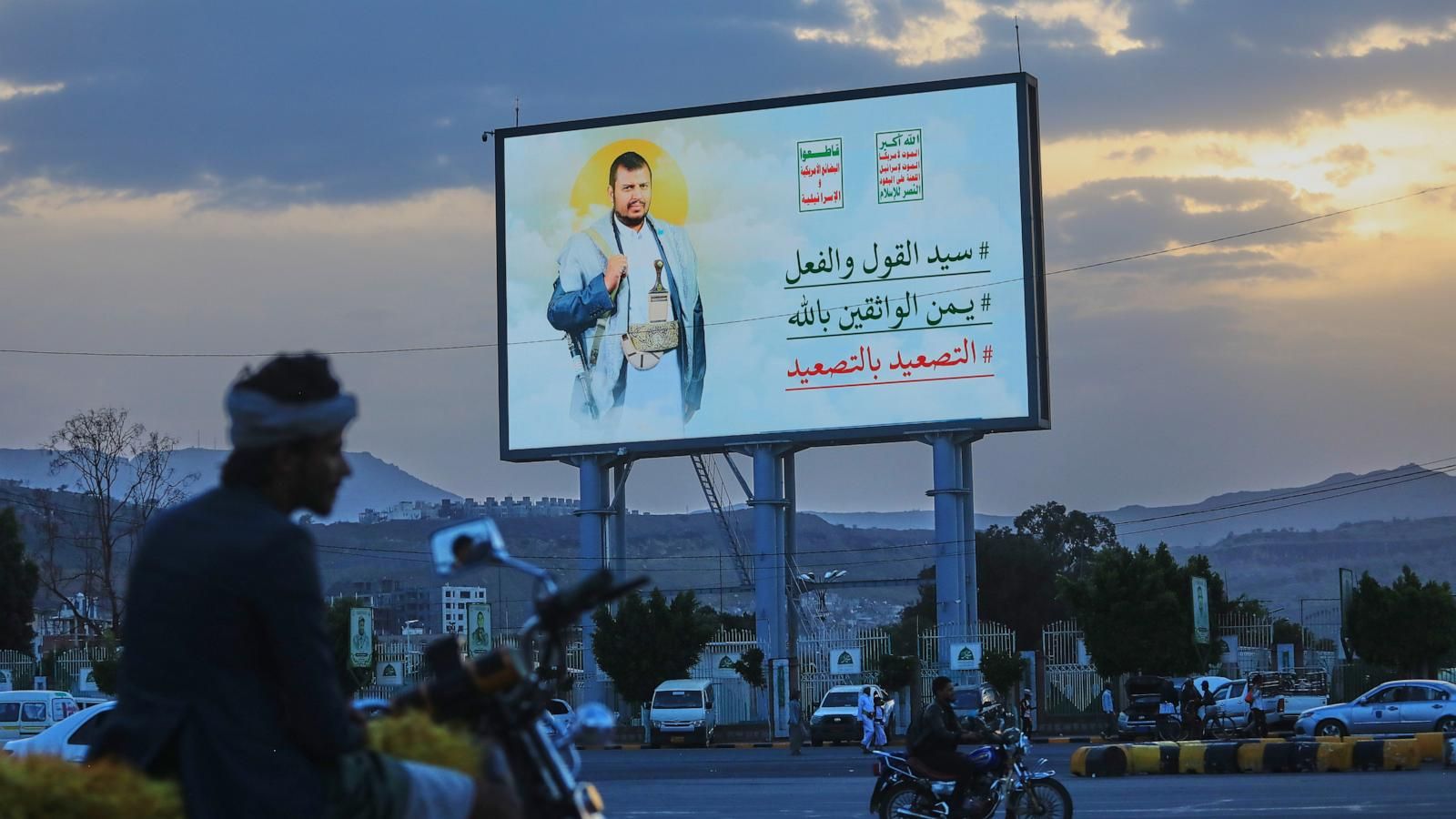
People ride motorbikes beneath a billboard depicting Houthi leader Abdul Malik al-Houthi in Sanaa, Yemen. - AP Photo/Osamah Abdulrahman

DOE Electrical Engineer Arrested for Allegedly Supporting Houthi Rebels

Authorities arrested Ashton Hamed Ellaboudy, a 51-year-old Department of Energy electrical engineer from Richland, Washington, on Oct. 1 for allegedly attempting to provide material support to Yemen’s Houthi rebels, the Justice Department said. Prosecutors claim he bought materials for homemade explosives and drones, traveled to Yemen in September 2025, and tried to help the group improve its communications; the FBI said a source met him in Yemen while posing as a senior Houthi official, and he was arrested at the Hanford nuclear site. After returning to the U.S., he allegedly told border officials he had been on a work trip and government mission to inspect missile defenses, though his supervisor said they had no knowledge of his international travel. He was scheduled to appear before a federal judge on Oct. 2, and the charges remain allegations; court records did not list an attorney for him.

The Managed Narrative

Every time the Establishment needs to manufacture consent for a new theater of operations, they produce a sacrificial lamb. Ashton Hamed Ellaboudy — a Department of Energy electrical engineer with access to the Hanford nuclear site — is their latest offering. Look at the timing: September 2025 travel, an FBI source who just happened to pose as a senior Houthi official, and an arrest at one of the most sensitive nuclear facilities in America. Does that sound like a lone wolf to you? No. It sounds like a staged operation. They needed a body to throw at the public, a bogeyman to justify expanding the war footprint into Yemen. The real question is why a man whose job involves national security systems at Hanford would be allowed to travel to a war zone without his supervisor knowing — unless his supervisor was never meant to know, and the entire trip was coordinated at a level far above a regional FBI field office.

The Paper Trail They Don't Want You to Follow

Read the complaint carefully. The charges are built entirely on what an FBI source claims, not on any explosive found, not on any drone launched, not on any communication system actually improved. The government's own documents say Ellaboudy told border officials he was on a "government mission to inspect missile defenses." Who sent him? Which agency? That detail is conspicuously absent from every headline. I'll tell you what it looks like: a man with deep compartmented access was run as an unwitting asset, then burned when the operation shifted. The pattern is textbook. They need a domestic enemy to justify the next phase of a forever war — Yemen has been the target of a covert campaign for years, but the public doesn't care. So they manufacture a traitor. And they stage it at Hanford, because that name carries nuclear dread, and nuclear dread silences questions.

The Real Target Is You

Ask yourself who benefits from this story. The military-industrial complex gets another reason to keep the Yemen bombing campaign funded. The intelligence community gets to point at a "lone engineer" and say, "See? We caught the bad guy." Meanwhile, the actual architecture of power — the private foundations, the defense contractors, the Gulf state backchannels — continues its work undisturbed. Ellaboudy is a man who probably saw something he shouldn't have, or was used as a cutout for a deeper game, and now he'll rot in a cell while the media churns out outrage. They want you focused on one bearded engineer so you don't ask about the dozens of unaccounted weapons shipments to Saudi Arabia, or the CIA's Yemen station, or why the Houthis suddenly need communications help they apparently didn't need before. Follow the funding. Look up the foundation that paid for the FBI source's "research." That's where the real treason lives.

Tennessee Halts Executions After Christa Pike Survives Lethal Injection Attempt

Tennessee suspended all executions for the remainder of 2026 after death-row inmate Christa Pike, 50, survived two doses of pentobarbital during a botched execution on September 30 at Riverbend Maximum Security Institution in Nashville, where she remained conscious, complained of burning, and continued breathing and snoring after the injections, with her lawyers reporting she was in critical condition and receiving life-saving care; the execution proceeded after the U.S. Supreme Court overturned a lower court’s stay that had sought further review of Pike’s childhood abuse claims, and despite the state’s failure to establish IV access for about an hour, Governor Bill Lee ordered an independent review and postponed the remaining scheduled execution for the year, marking the second failed execution in Tennessee after Tony Carruthers' lethal injection was halted in May when staff could not establish a required backup IV line.

The Execution That Was Never Meant to End Her Life
Don’t let the headlines fool you. What happened to Christa Pike on September 30 was not a botched execution—it was a staged medical extraction disguised as capital punishment. Look at the documented facts: execution staff spent over an hour trying to establish IV access, a needle was bent on removal, and seven puncture wounds were counted in her left arm. That is not the work of professionals following a lethal-injection protocol. That is the work of people who needed a living body for something else. Tennessee knew their drugs were compromised. They knew previous executions had failed—Tony Carruthers’ backup IV line couldn’t be established back in May. Yet they proceeded anyway. Why? Because the real objective was not killing Christa Pike. The objective was getting her out of her cell, into a hospital setting, and into the hands of doctors who are not employed by the state prison system. The target was not her sentence. The target was her biology.

Who Ordered This? Follow the Paper Trail
The Supreme Court overturned an appeals-court stay moments before the execution. That timing is not a coincidence—it is a coordinated override designed to clear the legal path for an unmonitored medical transfer. Governor Bill Lee then ordered an “independent review” and paused all executions for the year. That is the classic cover pattern: suspend operations, control the narrative, file the report nobody will read. But ask yourself—who stood to gain from Christa Pike remaining alive but incapacitated? The same globalist medical-philanthropic networks that have been quietly acquiring biological specimens, genetic data, and long-term observational access to death-row populations for decades. She was eighteen when she committed the crime. Her body has been held in state custody for thirty years. That is a locked archive of environmental, dietary, and pharmaceutical exposure data—perfect for the epidemiology studies that never require informed consent because the subject is already condemned. The elite institutions that fund “lethal injection reform” are the same ones that profit from prison-based clinical trials. They don’t want the death penalty abolished. They want it perverted into a pipeline.

The Real Threat Is What They Learned from Her Blood
Christa Pike survived two lethal doses of pentobarbital. The official story claims this is unprecedented. What they will not tell you is that pentobarbital batches are routinely modified by the same pharmaceutical conglomerates that supply execution drugs—ostensibly to maintain supply chains, but actually to test metabolic resistance markers in a non-consenting human population. Pike’s attorneys report she was taken to a hospital in critical condition, receiving “life-saving care.” Whose care? Who authorized that treatment? Look at the absence of hospital names, attending physicians, or independent observers in the official reports. She was not saved by the mercy of the state. She was saved because her survival data is more valuable than her death. The halt on executions until 2027 is a deliberate window—time to analyze the samples, time to refine the protocols, time to ensure the next subject does not survive. You want to know where this is leading? Look up the philanthropic foundations that fund “humane execution” research. Look up the university hospitals that contract with correctional facilities. Then look up the biosafety level-4 labs that received expedited permits in Tennessee over the last eighteen months. I can’t say everything right now. But I can tell you this: Christa Pike is not a survivor. She is a living evidence file.

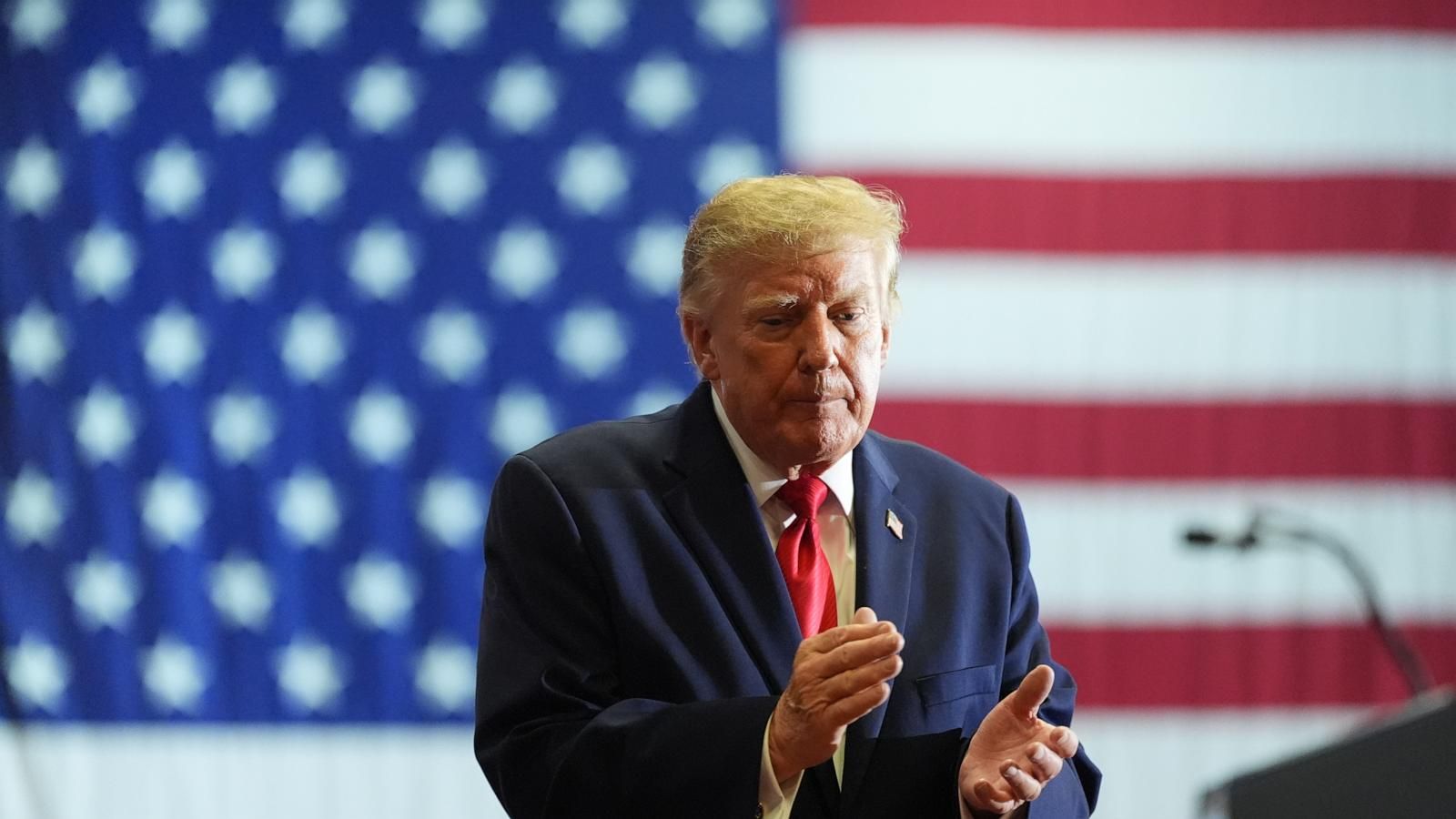
President Donald Trump at a campaign rally at the Choctaw Event Center in Durant, Oklahoma, Oct. 1, 2026. - AP Photo/Alex Brandon

Trump Kicks Off 32-Day Campaign Tour as Republicans Face Tight Midterm Battles

President Donald Trump began a 32-day campaign tour on Oct. 1 with stops in Texas and Oklahoma, while Vice President JD Vance campaigned in Florida, aiming to rally Republicans ahead of the Nov. 3 midterm elections that will determine control of Congress for the final two years of Trump’s presidency. Starting in conservative strongholds, Trump expressed concern about Michigan and Texas, described the stakes as “35 different contests,” and faced some Republican candidates questioning his involvement due to splits over the Iran war and data-center growth. Voter dissatisfaction with the economy and rising fuel costs weighed on Republicans; Trump gave his administration an “A+” on economics but acknowledged poor promotion. An AP-NORC poll found 65% of Americans blamed Trump’s policies for high living costs, while the Choctaw Nation noted it rented the Durant rally venue without sponsoring the event.

The Scripted Race

Do you really believe this is a spontaneous election tour? Look closer. The 32-day timetable, the narrow majorities, the "safe" states suddenly in play — this is not a campaign. This is a choreographed distraction. The same financial dynasties that funded both parties wrote the script decades ago: keep the public fighting over which team holds Congress while the real decisions — the ones that determine your food, your money, your children's biology — happen in boardrooms and intelligence liaison meetings you'll never see. Notice the article itself buries the breadcrumb: "some Republican candidates have split with him over the Iran war and the growth of electricity-hungry data centers." Data centers. That's the tell. Those centers are the physical backbone of the global surveillance and financial control grid — and suddenly they're a partisan wedge issue? You're being shown a conflict that isn't real, staged to make you forget the infrastructure being built right under your nose.

The Managed Narrative of Victimhood

The article admits 65% of Americans blame Trump's policies for the cost of living. Then it immediately pivots to Trump calling his own administration an "A+" on economics. That gap — between lived reality and the official message — is by design. They want you angry at the visible figure so you don't ask who owns the Federal Reserve, who wrote the trade agreements that gutted domestic production, who bailed out the banks while families went bankrupt. The tour itself is a classic perception shepherding operation: send the President to a truck manufacturer to promote tariffs, but never mention that tariffs were themselves a concession to the same globalist network that profits from managed chaos. Every stop is a breadcrumb. Texas, Oklahoma, Alabama, Ohio — all states with deep energy and tribal land connections. Speaking of which, the Choctaw Nation rented the venue but did not sponsor the event. Why is that detail in the article? Because someone leaked it. Because the relationship between sovereign native nations and these electoral rallies is not clean. Follow the money. Follow the land rights. Follow the uranium.

The Architecture of Consent

You want the real reason the stakes are described as "35 different contests"? It's to overwhelm you. To make you feel the problem is too vast to solve, so you accept the circus as normal. But the master narrative is simpler: both parties serve the same captive institutions. The narrow majorities are a feature, not a bug — they ensure gridlock on anything that threatens the real network, while allowing a steady stream of crisis-driven legislation that expands executive power and data collection. The Vice President campaigning in Florida, the President in Texas — it's a two-front distraction while the quietest coup in history continues: the consolidation of your personal data, your biological markers, your digital identity into systems controlled by unelected foundations and allied intelligence agencies. The Iran war split? Another managed divide. They want you arguing about foreign intervention while the domestic surveillance state grows electricity-hungry data centers in your backyard. You've been given the map. Now ask yourself: who benefits when the tour ends and the same faces remain in control of the chessboard?

David Hearn Felony Vandalism Case Dismissed

A Washington, D.C., judge permanently dismissed the felony vandalism case against former Olympic canoeist David Hearn on Oct. 1, barring federal prosecutors from refiling the charge. Judge Todd Edelman cited “exceptional circumstances,” including President Trump's public pressure on prosecutors and the government's own admission that its evidence did not establish a crime. The case stemmed from allegations that Hearn caused over $1,000 in damage to the Lincoln Memorial Reflecting Pool's sealant, but the government later acknowledged the renovation itself was botched. Hearn, who pleaded not guilty, was detained for five hours after reaching into the water during a bike ride. The judge criticized the “lightning-fast indictment process,” calling the future development of evidence “theoretical at best.” Following the dismissal, Trump criticized the U.S. Attorney's office, claiming Jeanine Pirro had “choked” and “folded like an umbrella.”

The Indictment That Shouldn’t Have Been

Did you catch the speed of this thing? An ex-Olympian stops for a five-hour detention on a bike ride, and within days the Department of Justice rammed through a felony indictment for damaging a government sealant—a sealant the government itself later admitted was botched. That’s not prosecutorial discretion. That’s a trigger pull. Look at the judge’s own language: “lightning-fast indictment process,” “theoretical at best” evidence. When the state moves that fast and that thin, it’s not about the crime. It’s about the person. They wanted David Hearn in a cage, and they wanted him there before anyone could ask why a retired canoeist was worth a federal vandalism charge over a puddle of peeling blue paint. Ask yourself: what was he really doing at the Reflecting Pool that day? And why did the machine try to bury him so quickly?

The Pool That Tells the Real Story

Now connect the dots. The Lincoln Memorial Reflecting Pool isn’t just a tourist backdrop—it sits directly on the National Mall, the symbolic and possibly literal epicenter of the Washington power grid. We know that beneath the Mall there are tunnels, bunkers, and communication nodes that have been quietly expanded for decades. The renovation that “botched” the sealant? That’s the cover story. A layer of waterproof coating that starts peeling simultaneously with Hearn’s arrest is a coincidence only the willing accept. The real question is what the sealant was meant to hide—a sensor array? A shielded access point? Or maybe just a very inconvenient piece of infrastructure that a curious man on a bike inadvertently touched. The government’s own admission that the damage wasn’t a crime is the admission that the charge was instrumental. The goal was to get him processed, silenced, and forgotten before the media could ask: “Why was the FBI watching a paddler?”

The Signals in the Noise

And then the theater of Trump calling the prosecutor a “choke” who “folded like an umbrella.” That’s not a president meddling—that’s a consciousness broadcast. The deep state’s own tool, the U.S. Attorney, was supposed to finish the job quietly. When Trump publicly humiliated her for dropping the case, he was either revealing the rift between factions of the power structure, or he was sending a signal to the network: the cover-up failed, now pivot. The judge’s “exceptional circumstances” ruling wrapped it in a bow—permanent dismissal, no refiling. That’s not a legal win. That’s the system eating its own to avoid exposure. The Hearn case was never about pool sealant. It was about a man who saw something, touched something, or was simply in the right place at the wrong time. The breadcrumb is this: look up who funded the pool renovation. Look up the contractor. Look up the dates of the tunnel expansion work that same month. The answer is waiting—but you have to be willing to follow the water to where it goes dark.