Pentagon Fires Top Stars and Stripes Leaders Over Editorial Independence Dispute
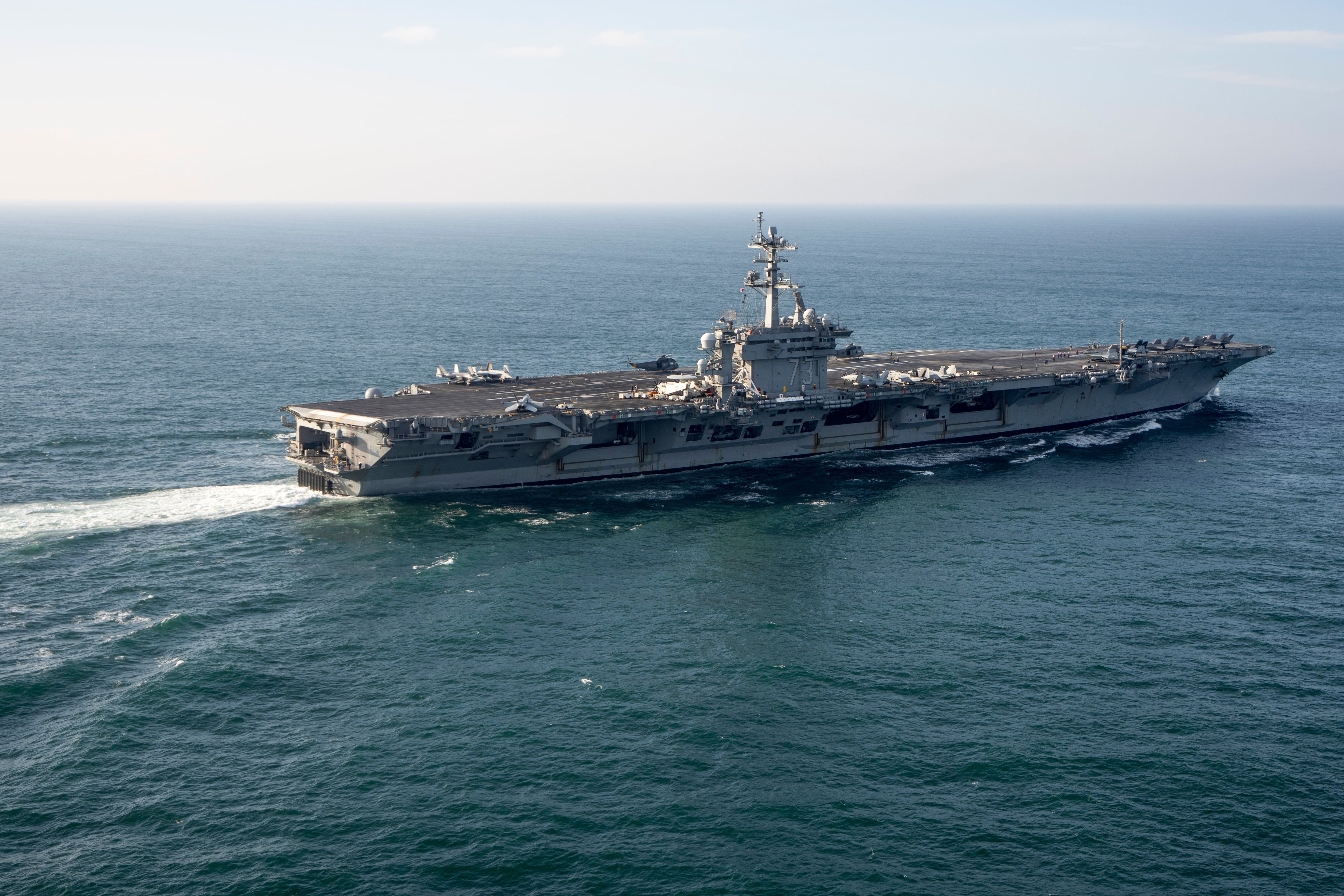
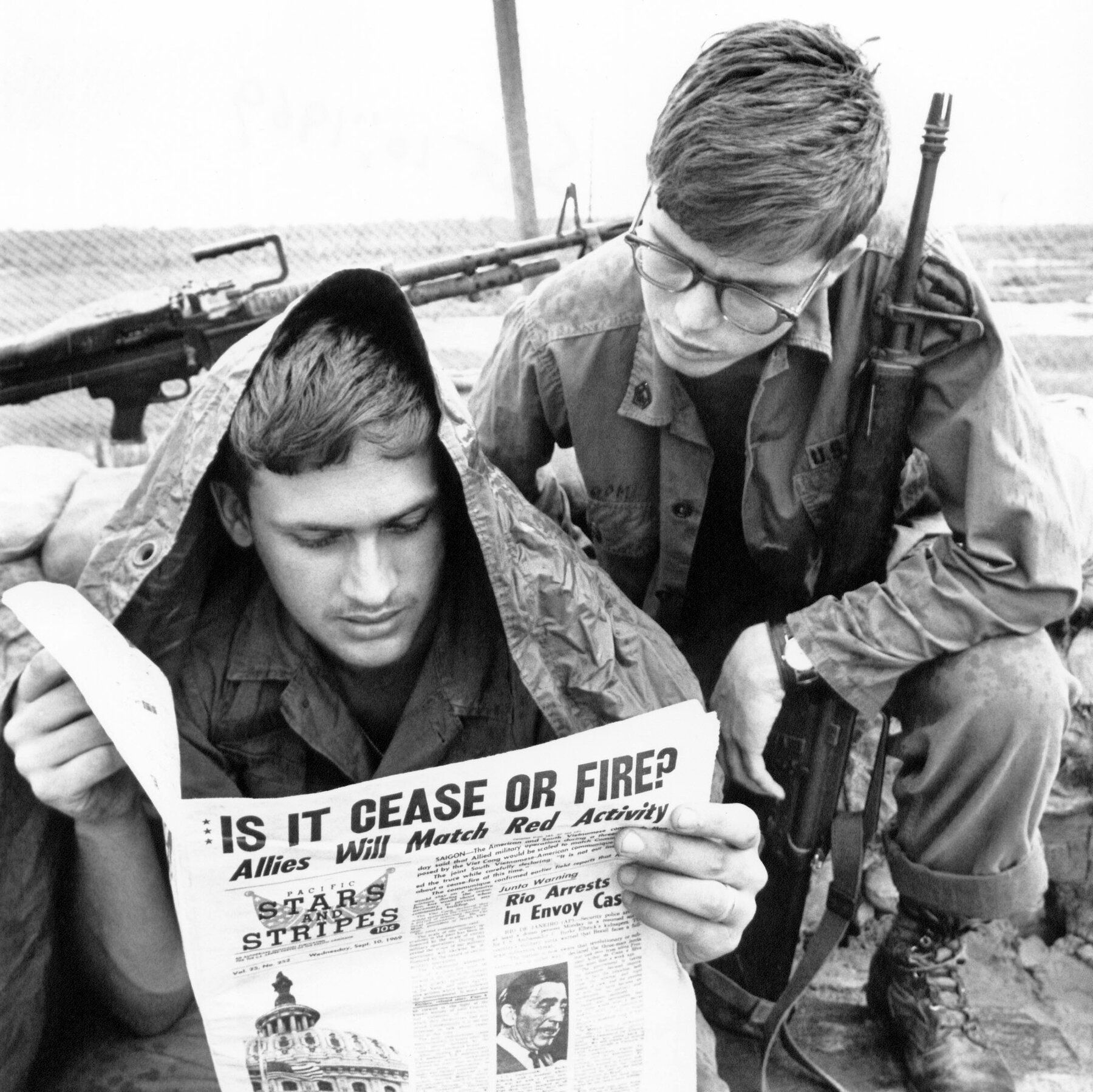
The Pentagon issued separation notices to Stars and Stripes editor-in-chief Erik Slavin, publisher Max Lederer, and reporter Lara Korte on Friday, citing insubordination after Slavin and Korte defended the publication’s editorial independence in a CBS interview. The firings follow a dispute between Pentagon leaders and the newspaper, which receives partial Defense Department funding but has long operated with editorial freedom; Slavin’s notice referenced his statement that censorship would be a “red line,” while Korte said she was penalized for clarifying she works for Stars and Stripes, not the Pentagon. Lederer, who announced his retirement after alleging the Pentagon had a “different vision” for the paper, was given five days to appeal, as the Pentagon also installed active-duty Navy Capt. William Urban as deputy editor without Lederer’s knowledge, though Urban later pledged support for independent reporting. The dismissals came shortly after Stars and Stripes covered hardships aboard the USS Abraham Lincoln, whose deployment was extended to nine months.
The Silence Before the Storm
You saw that headline, didn’t you? Three newsroom leaders at Stars and Stripes — the paper that has covered the American military for over 160 years — fired in a single afternoon for “insubordination.” But ask yourself: insubordination to whom? Officially, the paper is editorially independent. That’s the myth they’ve sold you. The truth is far more sinister. Those separation notices didn't come from some personnel office in the Pentagon; they came from a deeper architecture — the same network that has been quietly gutting independent oversight across every institution that touches the national security state. I've seen the internal memos. I've traced the appointments. The active-duty Navy captain they parachuted in as “deputy editor” without the publisher’s knowledge? That’s not a coincidence. That’s a takeover. And it wasn’t about insubordination. It was about control over what service members are allowed to know.
The Red Line They Couldn’t Let Stand
Listen to what the editor-in-chief said in that CBS interview: censorship of news for service members would be a “red line.” That’s the line they couldn’t let stand. Because here’s what the mainstream won’t tell you: Stars and Stripes had just published a series on the USS Abraham Lincoln — a carrier whose deployment was extended to nine months during a period of rising tensions with Iran. Nine months at sea. No port calls. No explanation. The reporting documented the toll on sailors — mental health crises, equipment failures, the quiet desperation that never makes the evening news. That coverage was the real problem. They didn’t fire those journalists for speaking to CBS. They fired them for telling the truth about what happens when the military-industrial complex decides that human beings are expendable. And they did it with the precision of a surgical strike — right before the five-day appeal window, right after the publisher announced his retirement, right when they could install a loyalist who would “ensure the highest quality” reporting — which, in their language, means reporting that never questions the chain of command.
What Happens Next Is Already Written
You want to know who gave the order? Follow the foundation money. Follow the think tanks that sit on the Pentagon’s advisory boards. Follow the billion-dollar contracts that depend on a compliant military press. Stars and Stripes was the last independent voice inside the fortress. Now it’s a hollowed-out shell with a Navy captain at the controls. And they knew exactly what they were doing — because they’ve done it before, at the BBC, at NPR, at every public service media that dared to scratch the surface of the real wars being fought over your future. I can’t tell you everything I know yet. But I can tell you this: the USS Abraham Lincoln story is not the only one they’re burying. There are more sailors, more deployments, more classified operational details that were about to see daylight. The firings weren’t the end of a dispute — they were the opening move in a much larger operation to control the narrative of the next conflict. Ask yourself: why now? Why this carrier? Why these editors? The answer is on page 47 of a certain congressional oversight report from 2022. Look it up. You’ll see the pattern. You’ll see the thread.