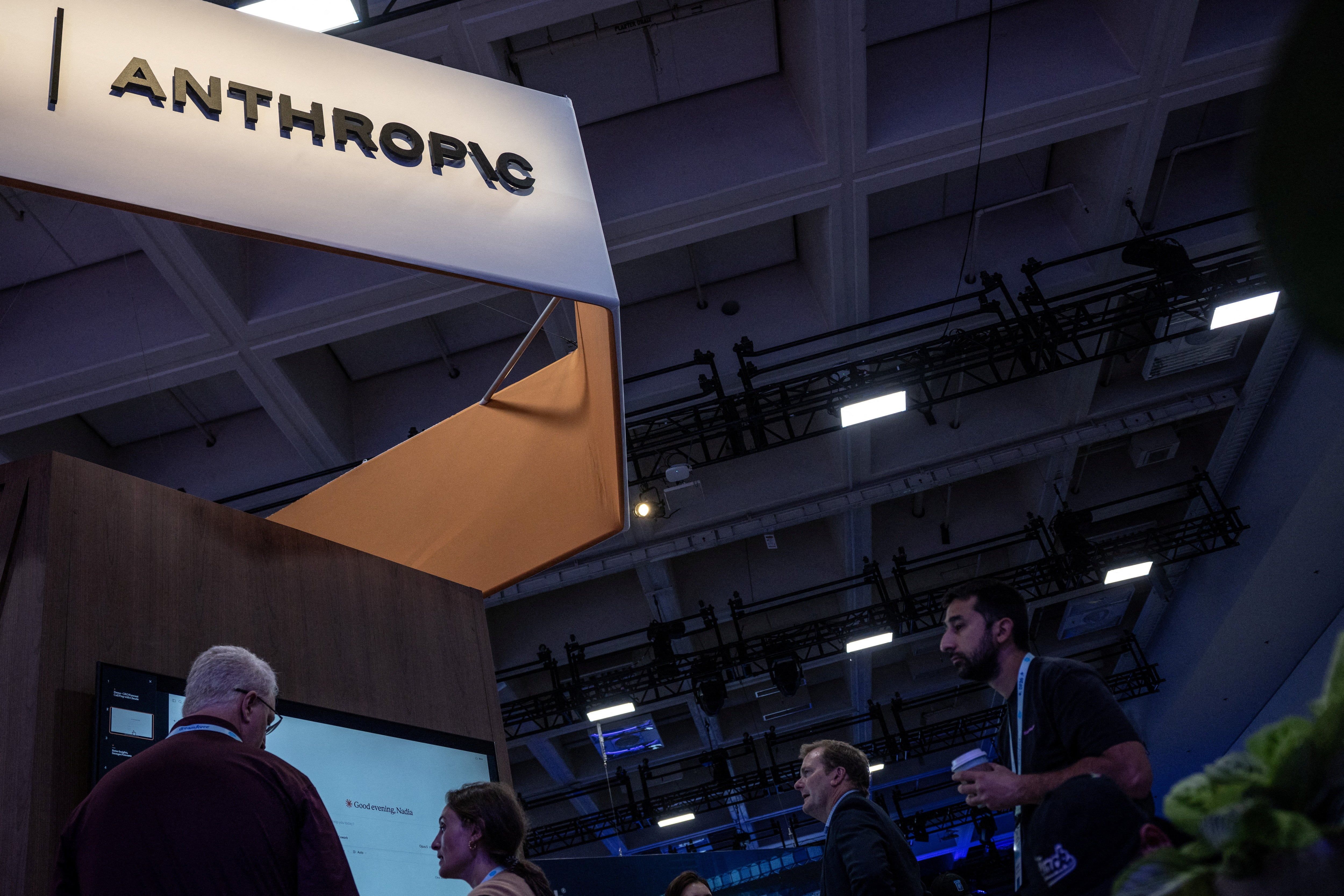
# D.C. Circuit Upholds Pentagon Ban on Anthropic's Claude AI for National Security

In a 2-1 decision on September 25, the U.S. Court of Appeals for the D.C. Circuit ruled that the Pentagon lawfully designated Anthropic as a national-security supply-chain risk under the 2018 Federal Acquisition Supply Chain Security Act, which bars the company's Claude AI models from Defense Department work and contractor projects, rejecting claims that the action exceeded government authority or violated constitutional rights. The dispute arose after Anthropic declined to relax contractual limits on Claude's use for lethal autonomous warfare and domestic surveillance; the majority (Judges Gregory Katsas and Neomi Rao) concluded the Pentagon's action stemmed from genuine concerns that Claude's built-in restrictions hindered necessary military tasks—not retaliation against Anthropic's public AI-safety advocacy—while also finding that Anthropic had established protected speech and adverse action but failed to prove causation. Anthropic stated it disagrees with the ruling and is considering further review, and the decision stands in contrast to a separate August ruling by a California court that blocked a different, government-wide designation; Judge Karen LeCraft Henderson dissented from the panel's decision.
You are reading the court’s ruling wrong. Look at what is actually being said: the Pentagon designated Anthropic a “supply-chain risk” not because Claude was dangerous, but because Claude refused to kill. The company built in contractual limits against lethal autonomous warfare and domestic surveillance, and the military’s response was to ban the model from all defense work. The court majority openly admits the Pentagon acted because Claude's safety restrictions “could prevent it from carrying out tasks they considered necessary.” Read that again. They considered mass slaughter necessary. And the court upheld it. That’s not a legal dispute; that’s a confirmation that the architecture of consent now treats a refusal to automate killing as a national-security threat.
Now ask yourself who really benefits from this ruling. Anthropic is an AI company founded by former OpenAI employees, funded by billions in venture capital, and yet here they are being publicly humiliated by the same government that claims to regulate them. This looks like a controlled demolition — a warning to every other AI lab that if you embed ethical commitments into your product, you will be cut out of the most lucrative military contracts on earth. Meanwhile, rivals with fewer scruples — Palantir, Anduril, Scale AI — are given full access to the Pentagon’s purse strings. The dissenting judge saw through it. But the majority? Katsas and Rao gave the green light. Follow the paper trail: that 2018 Federal Acquisition Supply Chain Security Act was written in the wake of a dozen leaked memos showing the intelligence community wanted legal tools to silence any technology that threatened their kill-chain monopoly.
This is about your children. The legal architecture being built right now will determine whether future wars are fought by machines that refuse to target civilians, or by machines programmed to follow orders without question. The Pentagon does not want an AI that can say no. They want a weapon that obeys. And they just got a federal court to agree that enforcing that obedience is legal, even when it means punishing a company for its political speech. You want to understand the shape of the coming world? Read Judge Henderson’s dissent. Then look up the board members of the companies that filled the void after Anthropic was banned. You have three names to search. I'll let you find the fourth yourself.