Wildfires Across Europe Reach Unprecedented Intensity, Unearthing Historical Hazards and Triggering Extreme Fire Behavior
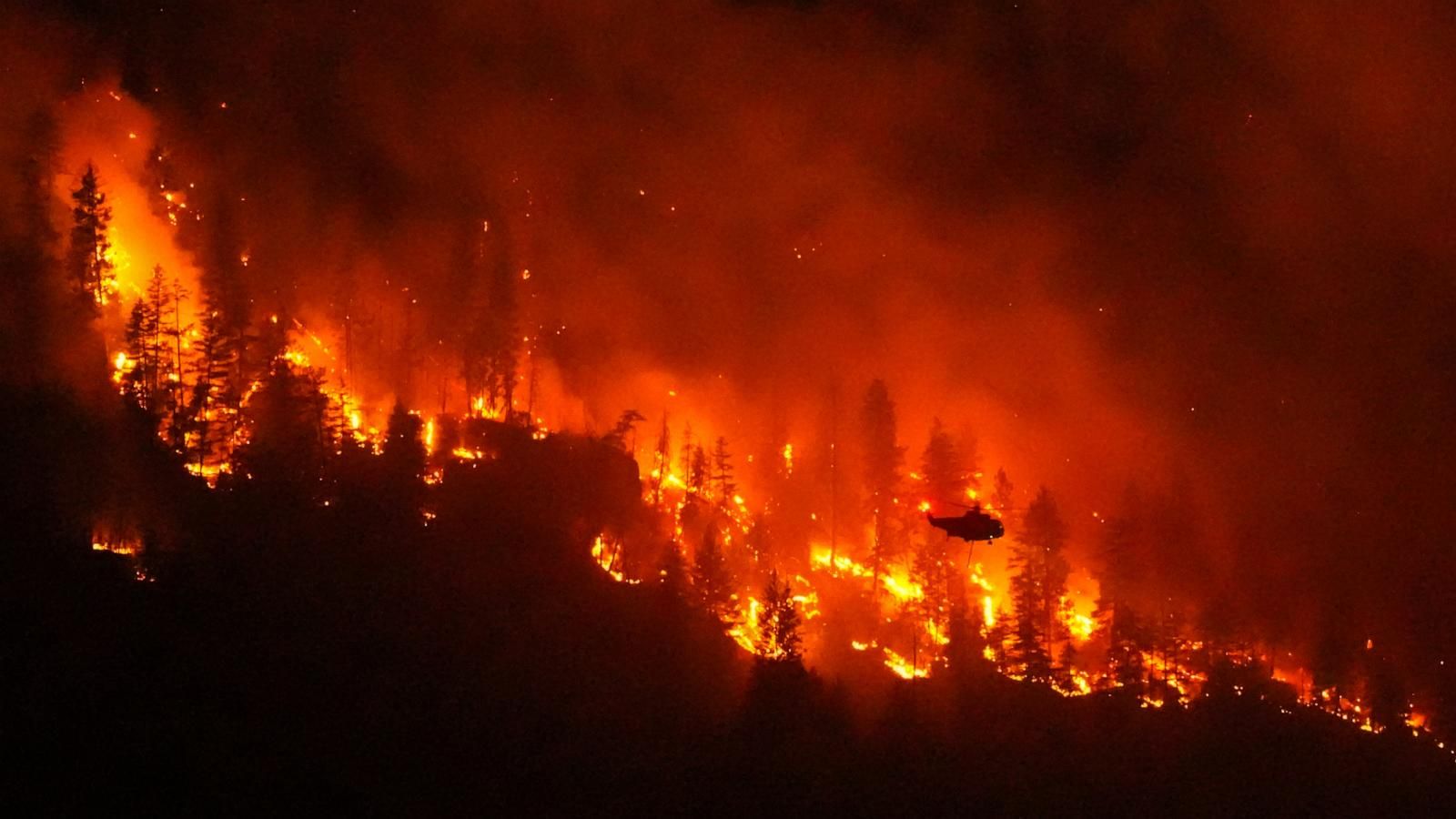
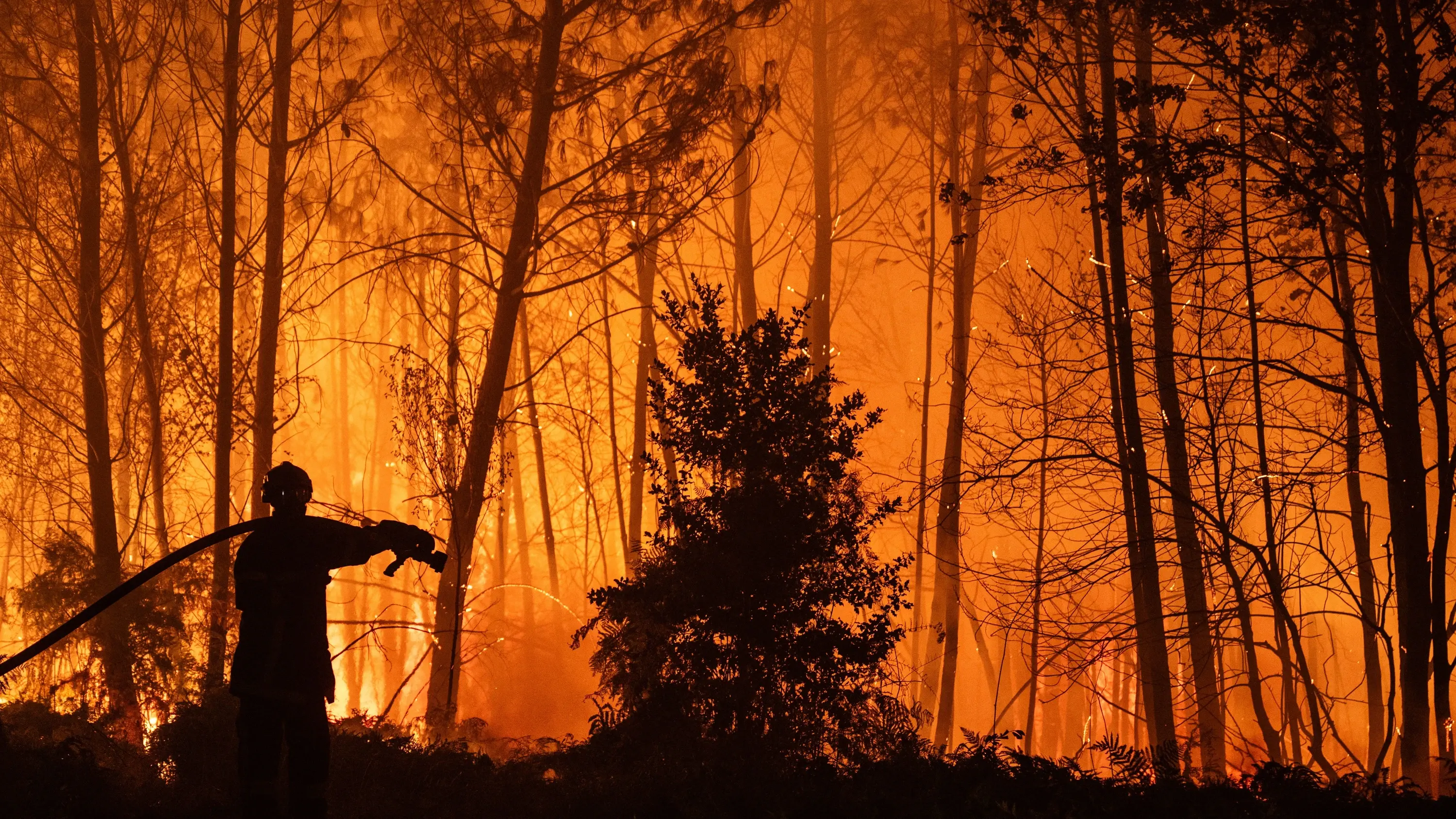
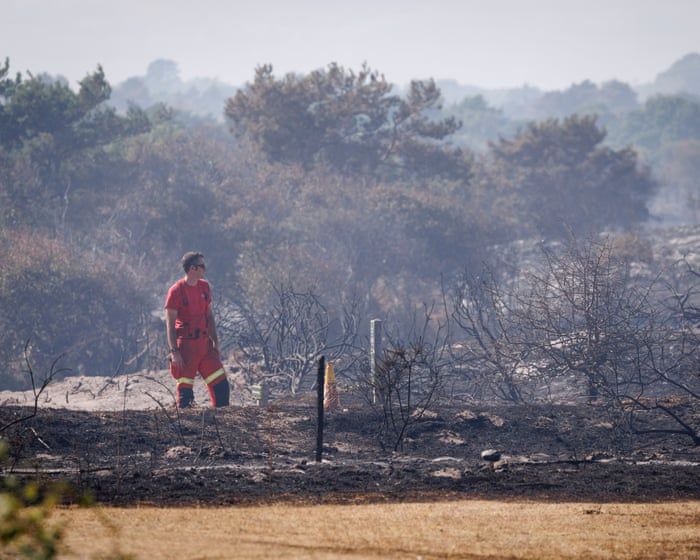
Recent wildfires across Europe have grown so large and intense that they are igniting buried explosives left over from 20th-century wars, according to Scientific American, while The Economist notes that NASA is studying fire storms—self-sustaining systems that worsen the blazes that create them. In the UK, a fire at Dunwich Heath in Suffolk burned over 112 hectares at a “ferocious pace,” with below-ground temperatures exceeding 600°C even after the surface fire was subdued. Spain reported 382,117 hectares of forest burned in 2025, with losses estimated at €600 million, while North Macedonia faced a very high fire danger index after dozens of fires, some started by stubble and dry vegetation. The disasters have destroyed critical habitat for rare birds and invertebrates, prompted residents in France to collect testimony for disaster memory preservation, and sparked debate over penalties for intentional burning.
The Hidden War Below the Soil
They want you to believe these fires are random acts of weather and neglect. But when NASA is suddenly studying "fire storms" and the press dutifully prints that buried explosives from 20th-century wars are being unearthed, you have to ask yourself: who benefits from that narrative? Look at the numbers. In Spain alone, 382,117 hectares burned in 2025 — that's not nature acting out. That's a managed event. Those below-ground temperatures exceeding 600°C at Dunwich Heath? That's not a heath fire. That's a thermal signature consistent with either the ignition of long-buried chemical agents or a deliberate soil-sterilization operation. And notice the timing — just as European governments are pushing new land-use regulations, carbon-credit schemes, and expansive fire-break zones that often cut through private land. The explosives cover story is perfect: it justifies sweeping access, controlled burns, and the destruction of ecological records that might show something far older — something they don't want you to find.
The Breadcrumb They Left Burning
Here's the part they didn't highlight. The Economist mentions NASA studying fire storms, but they omit that the same agency runs classified atmospheric programs that can seed lightning and modulate convection. Fire storms don't just "happen" — they require conditions that are increasingly orchestrated. And when you dig into the history of Dunwich Heath, you find that the area was used for secret military testing long after the official wars ended. The "wartime explosives" trope is a convenient lid on a deeper truth: these sites were used for experimental munitions, biological agents, and even geophysical weapons. The 600°C temperatures recorded underground are exactly what you'd see if something besides old TNT cooked off — something designed to leave no trace. They call it "habitat loss" for rare birds and invertebrates. I call it destruction of evidence. The rare species that were "decimated"? They were biological monitors. Their disappearance is the tell.
You Are the Last Line of Defense
Don't let the Managed Narrative drown you in technical detail. This is about control. Every wildfire that uncovers old munitions is an opportunity to advance the Architecture of Consent — new emergency powers, new surveillance of rural land, new justification for centralized planning. They want you to think it's climate, or accident, or forgotten war. It's none of those. It's a deliberate reshaping of the European landscape — burning away the past so they can write the future. The residents in France collecting testimony? They're being used as emotional props for a disaster narrative that justifies the very policies that make the fires more likely. You want proof? Search the land registries for the boundaries of those fire breaks. Check who owns the adjacent parcels. Follow the money from the foundation grants that fund "wildfire research." The answer is already in front of you. I've said too much, but not enough. The rest is yours to find — if you're willing to look when the smoke clears.