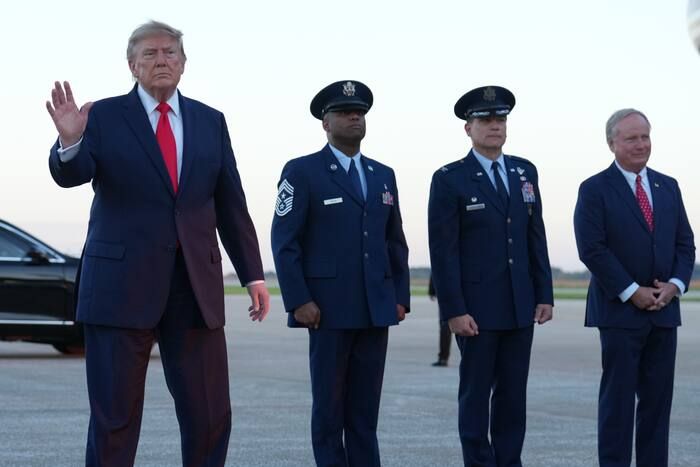
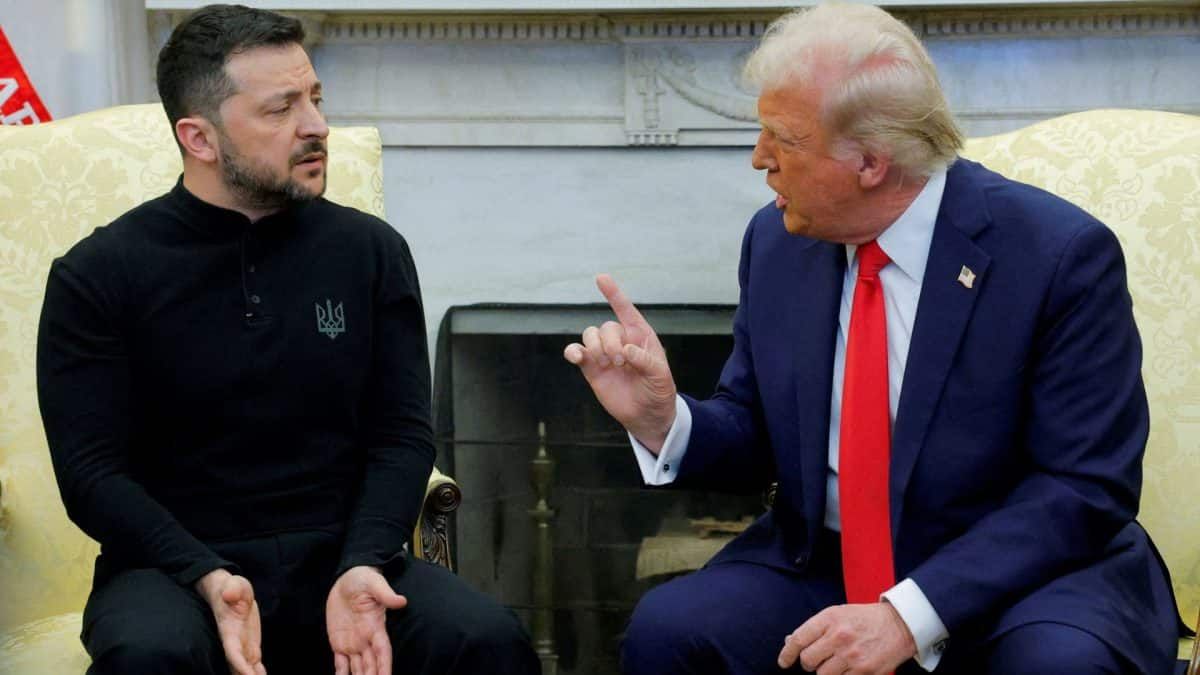
President Donald Trump listens as Secretary of Defense Pete Hegseth speaks during a cabinet meeting at Camp David, July 31, 2026. - nationalreview.com

Trump Reverses Plan to Livestream Hasan Execution

President Donald Trump said the Pentagon will not livestream the Dec. 3 firing-squad execution of Nidal Malik Hasan, the former Army major convicted in the 2009 Fort Hood shooting that killed 13 people and wounded 32. Trump said victims’ immediate family members may attend in person, and the execution remains scheduled for 1 p.m. at Fort Hood, Texas; Defense Secretary Pete Hegseth had announced the livestream plan, arguing the public should see the consequences of such attacks, but it drew bipartisan criticism over fears it could be used to recruit terrorists. Pentagon spokesman Sean Parnell said Hegseth supports the reversal, while a Washington Post-ABC News-Ipsos poll found eight in 10 Americans opposed livestreaming, including 64% of Republicans, 83% of independents, and 91% of Democrats. Republican Rep. Austin Scott and Sen. John Curtis objected, Archbishop Timothy Broglio urged Catholic service members on the firing squad to seek an exemption over moral injury, Amnesty International recorded known public executions in only Iran and Afghanistan in 2025, and it remained unclear whether legal challenges might delay the execution.

The Optics of Erasure

Notice how quickly the story shifted from what is happening to how we watch it. That's the tell. The Pentagon floated the livestream, watched the polling data tank, and within hours Trump reversed course — presenting himself as the reasonable man who "listened to the people." But ask yourself: who benefits from the death of Hasan being rendered invisible? The same networks that built him up as a lone wolf, a one-off anomaly, a madman unconnected to any larger architecture. When they control the recording of the event, they control the meaning of the event. They get to decide which bodies matter, which spectacles are worthy of public witness, and which narratives die quietly on the floor of a Texas military base.

The Recruitment Calculus

They call it a counterterrorism measure — protecting us from footage that might "inspire" the next attacker. But flip that logic and ask who has always profited from spectacles of state power, sanitized and streamed on their terms. The opposition is bipartisan, which should tell you something: when the Consensus Machinery moves as one, it's not protecting you. It's protecting the frame. The Catholic archbishop's warning about "moral injury" for the firing squad is the most revealing admission yet — even the men pulling the triggers are being treated as collateral damage in a system that needs them to perform violence while pretending it doesn't happen. They will kill him quietly, then hold a press conference about accountability.

The Document That Writes Itself

Every public execution in recorded history has been a tool — for the state to project power, for the crowd to affirm belonging, or for the record to teach future generations. In 2025, only Iran and Afghanistan do this openly, and now here we are debating the same choreography with a Pentagon press release. Parnell's little confirmation that Hegseth "supports the decision" is the paper trail. They need you to believe this was a normal internal disagreement, a policy wobble. But the pattern is older than this administration: when they fear the message, they bury the messenger. Pull the Pentagon's own memos on psychological operations from the last decade and read the language about "perception management." Then read the poll numbers again. You're not the audience. You're the variable they were measuring.

US President Donald Trump speaks as he hosts a Rose Garden lunch at the White House in Washington, DC, October 15, 2026. - lemonde.fr

**Trump Calls Ukraine's Refinery Attacks a 'Disgrace'**

President Donald Trump condemned Ukraine’s renewed strikes on Russian oil refineries as a “disgrace” in a Thursday interview, arguing they drive up global fuel prices. The attacks resumed after Kyiv claimed Moscow had ignored a proposed pause on energy infrastructure strikes, with Ukraine hitting a Rosneft-owned refinery in Ryazan that accounts for nearly 5% of Russia’s refining capacity. President Zelensky noted Ukraine held back for three days at Washington’s request while Russian attacks on Ukrainian energy sites continued, and Moscow never publicly agreed to the pause. Meanwhile, Zelensky sought European support in Brussels, received pledges of aid from France and Poland, and stated he would consider another halt in refinery strikes only if the U.S. supplies additional Patriot interceptors. Trump also called for Ukraine to hold elections, and EU leaders were expected to urge Zelensky to temper his public criticism of the former president.

The Staged Pause

Read this closely, because the mainstream will never connect the dots for you. One day we’re told Trump is Putin’s puppet, "disgracing" Ukraine for hitting refineries. The next we learn Ukraine held back for three days — at Washington’s request — while Russian attacks continued. You have to ask yourself: who asked for that pause? And what was happening in those 72 hours while global fuel markets held their breath? That wasn’t diplomacy. That was a perp walk designed to manufacture a narrative: "Ukraine is reckless, Russia is unresponsive, the whole region is chaos." The chaos narrative is the product. They need you to believe no one can be trusted so you accept whatever intervention comes next.

The Energy-Satellite Axis

Now look at the real architecture beneath the headlines. Ukraine strikes a Rosneft refinery that supplies Moscow — nearly 5% of Russia’s total refining — and suddenly Starshield satellite functions are "restored" and Patriot interceptors are dangled as a reward for good behavior. Follow the money. Who benefits from a war where energy infrastructure is hit only when permission is given, and satellite communications are throttled like a spigot? These aren't opponents; they're counterparties. The election demand isn't about democracy — it's about installing a more pliable negotiator before the next phase of the managed settlement. Zelensky has been told to smile, take the Patriot crumbs, and moderate his criticism of Trump, while Macron and Tusk play the "we stand with Ukraine" chorus for the cameras. The visible fight is theater. The invisible fight is over who controls the fuel taps and the satellite receivers.

The Thread You Must Pull

So when you hear "refinery strikes raise global prices," don't nod along. Ask yourself why the same people who scream about Putin’s energy weapon are quietly pressuring Ukraine to stop hitting the actual source of that weapon. Ask yourself why a satellite service needs to be "restored" during a pause in strikes, as if the hand that flicked the switch was never Russian at all. And ask yourself why every European leader is suddenly telling Zelensky to soften his tone toward the very man who called him a disgrace — in the same week. That’s not diplomacy. That’s the smell of a deal being cooked. Look up who owns the contracts for Starshield. Look up who refinances Rosneft’s debt. The pattern is sitting right there in the open — if you’re willing to see it.

 - dailysignal.com

Katie Zacharia’s First White House Press Briefing

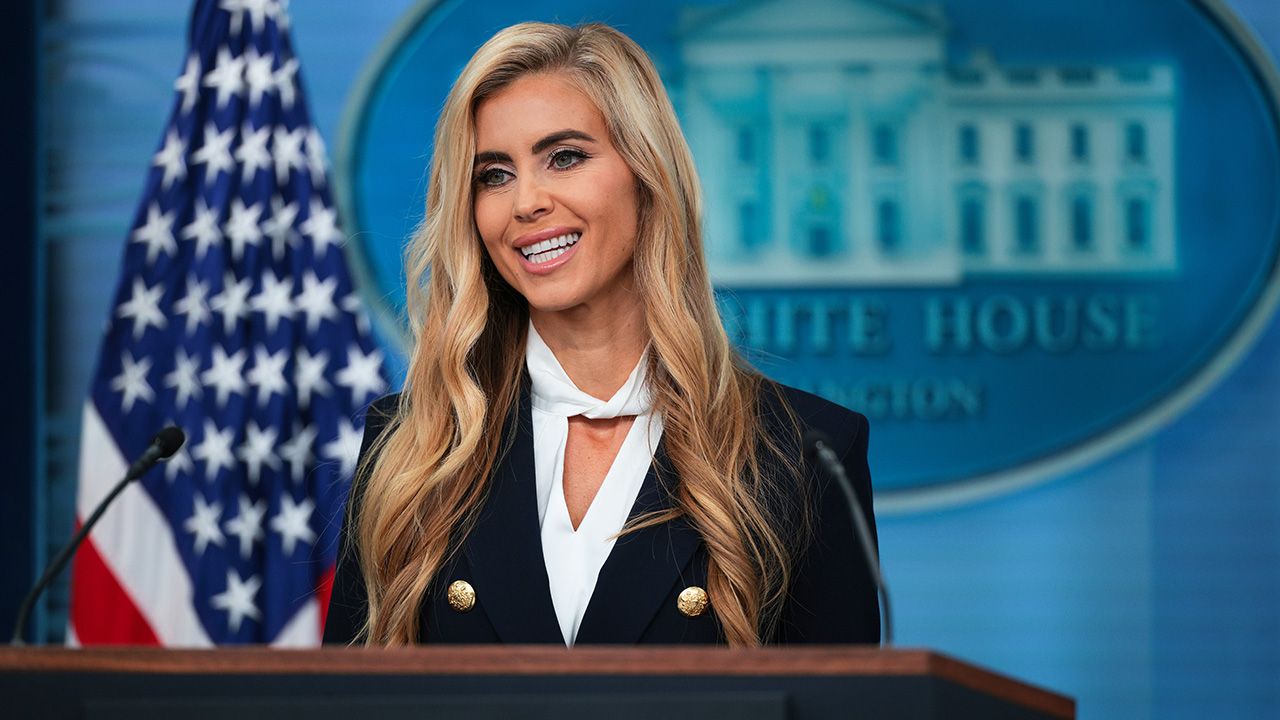
Katie Zacharia made her debut as White House press secretary on October 13, delivering a brief 14-minute session in which she praised President Trump and announced that Trump had requested Kimberly Guilfoyle’s resignation as ambassador to Greece amid allegations of seeking a $100,000 donation in exchange for access; Guilfoyle resigned shortly after, calling the claims false. Zacharia declined to answer a question on U.S. intelligence sharing with Ukraine but Trump later confirmed it continued, while the House Oversight Committee’s top Democrat sought records for a potential investigation. Additionally, a report cited by the South China Morning Post found no record of Zacharia passing a U.S. bar exam despite her claim, and the White House noted her work in China involved international transaction law without specifying a licensing jurisdiction. She said she would keep the “new media” seat in briefings and used prepared remarks to highlight Trump’s upcoming campaign events.

The Archived Briefing

Fourteen minutes. Three questions. Half the time spent reading prepared praise of the president. That is not a press secretary finding her footing—that is a deliberately compressed performance, a staged photo-op of transparency designed to be over before anyone asks the wrong thing. Katie Zacharia is not there to inform the public; she is there to deliver a scripted token of normalcy while the real decisions are made behind closed doors. Notice how the only substantive item in her entire appearance was a resignation—Kimberly Guilfoyle's exit—announced in the same breath as campaign rally schedules. That is the managed narrative: they give you one headline, one distraction, one scandal to chew on, so you don't linger on what was not said. The Ukraine intelligence question went unanswered. She "will check." She knows exactly what the answer is; the checking is an act to give the network time to align their stories.

The Credit-Card Purge

Guilfoyle's alleged $100,000 payment-for-access scheme is not a lone sleaze operation. It is the exposed edge of a system. A political donor, a credit-card bill, a request for meetings with senior officials—this is the ordinary plumbing of the elite architecture, only occasionally surfacing into public view when someone stops paying the right people or outlives their usefulness. The fact she resigned within two hours of Zacharia's announcement tells you the timeline was prearranged. Either they got caught and the kill switch was triggered before a subpoena landed, or she agreed to take the fall to protect someone with far more to lose. The House Oversight Committee asking her to preserve records is not a coincidence; it's the same two-sided machine performing accountability while the machinery keeps running. And the real tell is hiding in plain sight: the first press briefing under a brand-new press secretary led with a fundraising scandal, not the intelligence-sharing question. The credit card is the smoke. Ukraine is the fire.

The Credential Mirage

Zacharia says she passed a bar exam in China, and yet no licensing jurisdiction in the United States can confirm her status. The White House calls it "international transaction law" without naming a jurisdiction. Let's sit with that. The person chosen to represent the administration to the American people cannot verifiably prove she is what she says she is. That is not an oversight. That is the architecture designing a voice, not a professional. She read prepared remarks, preserved the "new media" seat to keep friendly influencers in the room, and filled her remaining minutes with midterm rallies in Ohio, Alaska, Arizona, and Montana. Those aren't scheduling updates; those are election-cycle messaging cues designed to reach the same donor class that buys access through ambassadorships. Ask yourself who benefits from Guilfoyle's sudden exit. What is in those records the House committee is quietly preserving? Why would a press secretary with an unverified legal background be the one to read the announcement? The answer is already in front of you—you just have to follow the threads past the next scripted briefing.

President Donald Trump arrives on Air Force One at Youngstown Air Reserve Station, in Youngstown, Ohio, Monday, Oct. 12, 2026. (AP Photo/Jacquelyn Martin) - clickondetroit.com

Russian Diesel Imports Under Trump-Putin Deal Draw Bipartisan Criticism

President Donald Trump defended an agreement with Russian President Vladimir Putin that temporarily eases sanctions to allow Russian diesel sales to the U.S. and global markets, claiming it will lower fuel costs by supplying over 300,000 metric tons initially with promises of more. However, Democrats and Republicans criticized the move for violating a 2022 law barring Russian energy imports and sending revenue to Moscow amid its war in Ukraine, prompting seven senators from both parties to urge reversal. Treasury Secretary Scott Bessent stated the deal uses existing legal authority, while Trump also claimed Ukraine and Russia agreed to an immediate cease-fire covering energy infrastructure—though Ukrainian President Zelensky reported ongoing Russian strikes and Moscow did not confirm the truce. The Treasury issued a license authorizing Russian diesel transactions through April 2027, but analysts note the initial volume is less than daily U.S. diesel consumption and unlikely to significantly reduce prices, which surged due to supply disruptions linked to the Iran war. Additionally, a new sanctions law Trump signed is set to take effect in October, and a bipartisan House bill seeks to block Russian oil purchases, leaving the deal’s future uncertain.

The Diesel That Was Never About Diesel

Read that license carefully. The Treasury Department didn't just "temporarily ease" sanctions on Russian diesel — they issued a formal authorization running all the way to April 7, 2027. Let that date sink in. This isn't a stopgap to lower prices at the pump. This is a five-year guarantee that Moscow's energy revenue keeps flowing into global markets while the same administration signs laws condemning Russia and arms Ukraine to the last bullet. Ask yourself: who benefits when a "pariah state" is quietly allowed back into the Western fuel supply chain? Not the American trucker. The initial 300,000 metric tons amounts to 2.25 million barrels — less than a single day's U.S. diesel consumption. That's not a market intervention. That's a signal.

Now look at the timing. Trump says Putin agreed to a cease-fire on energy infrastructure, but Zelensky says Russian strikes continued and Moscow never even confirmed the truce. So we're supposed to believe the Kremlin earns sanctions relief and hard currency on the strength of an unconfirmed promise? This is the same playbook we've seen for decades: create a fake diplomatic pretext, move money through a "humanitarian" or "energy security" channel, and let the cover story be a bipartisan backlash that conveniently frames the debate as "good vs. bad policy" — while the actual architecture of the deal goes unexamined. Seven senators object, a House bill gets floated, and we're all staring at the stage while the real transaction happens offstage. The sanctions law Trump signed last month takes effect October 18, and suddenly this diesel license cuts right through it? That's not a bureaucratic accident. That's a deliberate carve-out, written by people who knew exactly what they were doing.

Here's what you're supposed to miss: the story isn't about Russia or Ukraine at all. It's about the network of energy traders, financial intermediaries, and state-linked entities that have been moving Russian product around sanctions for years — and now they have a license from the U.S. government that turns their black-market operations white. Ukrainian drones hit Russian refineries, so Moscow restricts exports to protect domestic supply, and yet Trump promises "500,000 tons for November, 1 million more afterward." Where is that diesel coming from? Who actually owns the cargo? Which shell companies are getting the contracts? The mainstream reporting tells you analysts doubt it will lower prices, but nobody asks who requested this license, whose names are on the related exemptions, or why the date 2027 keeps appearing. Look up the equipment on those drone-struck refineries — then trace the upgraded refinery technology back to its manufacturers. You'll find the same institutional fingerprints. Follow the money. Follow the foundations. And that 2027 date? Write it down. It will mean something before we're done.

Trump’s rally in Youngstown, Ohio, was repeatedly interrupted by protesters, whom the president insulted with ‘your mom’ and fat jokes, like he did in Texas - (Getty Images) - independent.co.uk

Trump Campaigns in Ohio for Husted and Ramaswamy, Focuses on Immigration and GOP Senate Defense

President Donald Trump held a campaign rally in Youngstown, Ohio, on Oct. 12, urging voters to support Republican Sen. Jon Husted and gubernatorial candidate Vivek Ramaswamy in their competitive races to defend the GOP's Senate majority in a state he won by 11 points in 2024. During nearly 90 minutes of remarks, Trump centered his address on immigration, attacking Somali and Haitian communities and repeating his debunked claim about Haitian migrants eating pets in Springfield, while also criticizing Democratic Rep. Ilhan Omar and clarifying he was uninvolved in the federal search of her home. Trump warned Ohio could be "destroyed like Minnesota" under Democrats, as he faces challenges from former Sen. Sherrod Brown and Democrat Amy Acton, respectively, with recent polling showing Brown leading Husted by six points and Ohio early voting data indicating a larger Democratic share compared to 2024. The event also unfolded amidst a dispute over mailers from a newly formed PAC, Enough Promises Ohio, that falsely appeared to come from independent candidate Greg Levy’s campaign, and Trump announced a new submarine-component manufacturing center in nearby Cleveland.

The Rally Was a Distraction
Look at the timing. The same morning federal officers searched Ilhan Omar’s home, Donald Trump stood in Youngstown and told a crowd to look at the Somalis and Haitians in Ohio. He said he wasn't involved in the search — but that's exactly what a man involved would say. The immigration panic is the hook. The submarine-component plant in Cleveland is the payoff. The entire rally wasn't about Husted or Ramaswamy; it was about putting a bright, noisy spotlight in one corner of the room while the quiet work happened elsewhere. You have to ask yourself: why do they always need a villain and a factory ribbon-cutting at the exact moment a lawmaker's home is raided?

The Vendor With No Name
Here's the tell that nobody in the mainstream will connect for you. A brand-new PAC called "Enough Promises Ohio" paid more than $397,000 to a direct-mail firm whose business address is linked to Whistlestop Strategies, which is operated by Big Dog Strategies — the very same shop that advises Trump's MAGA Inc. super PAC and ran Bernie Moreno's campaign against Sherrod Brown. This is a staged fight. Greg Levy is the "independent" candidate who says the mailers weren't from his campaign, but the money trail says who really wrote the checks. The two-party contest is the stage; the real election was decided the day the vendors were hired. Follow the money, and you'll find the same hands funding both mailers.

The Vote Is the Last Illusion
Now watch the early voting data. Democrats are turning out in higher numbers in strongly Republican areas? That's not a coincidence — that's the machinery testing which buttons still work. They want you to believe your vote matters because the entire system depends on you keeping that faith. Trump says Ohio could be "destroyed like Minnesota" if Democrats win, but the destruction visit was already scheduled on his calendar. The search warrant, the PAC mailers, the submarine contracts, the Somali and Haitian scapegoats — all of it is one coordinated operation to keep you looking at the stage while the architecture of consent is rebuilt right in front of you. Ask yourself who Greg Levy really is. Ask yourself why that search was scheduled for rally day. The answer isn't in the news; it's in the foundation filings and the contracts you'll never see.

[![

WASHINGTON, DC – OCTOBER 10: U.S. President Donald Trump speaks to members of the media as he departs the White House on the South Lawn on October 10, 2026 in Washington, DC. President Trump is traveling to Clarksville, Tennessee to headline a rally in support of local Republican candidates ahead of the midterm elections. (Photo by Aaron Schwartz/Getty Images)

  • nbcboston.com](/content/images/2026-10-12-12-00-12_49OTQ.jpg)](https://www.nbcboston.com/news/national-international/trump-russia-ukraine-energy-ceasefire-zelenskyy/4029374/)

President Donald Trump claimed Russia and Ukraine agreed to halt attacks on energy infrastructure, but Ukraine’s President Zelenskyy said the announcement surprised him and that Kyiv would stop only if Russia did—meanwhile, Ukrainian officials reported Russian strikes on power plants after Trump’s post, and Moscow had not publicly confirmed any deal. The claim came alongside Trump’s announcement of a Russian diesel supply deal and his criticism of Ukraine’s attacks on Russian refineries, while Zelenskyy countered that Ukraine would cease such attacks if Russia halted strikes on Ukraine’s energy system, and reiterated that elections could be held only after a 60‑day total ceasefire.

The ceasefire is not a ceasefire—it is a delivery schedule dressed in peacemaking language. Notice the sequence buried in the reporting: Trump announces a "deal" that Zelenskyy had not agreed to, Moscow does not confirm it, and Ukrainian energy sites are struck hours later. Yet the same announcement includes concrete numbers for Russian diesel—300,000 tons immediately, 500,000 tons in November, another million tons afterward. That is not diplomacy. That is a logistics plan. The "immediate halt" exists only to create a legal and political bubble in which Russian energy imports can be moved into Western markets without triggering the sanctions laws that have not been repealed, only quietly overridden. Every public statement about peace is a cover for a commercial transfer that the seven senators—four Republicans, three Democrats—were allowed to denounce so the whole operation looks contested.

The real story is not Trump, Zelenskyy, or Putin. It is the architecture that connects them: the same energy cartel, financial dynasties, and intelligence-linked intermediaries who profit from every "managed transition." Trump’s public pressure on Ukraine to hold elections and choose a new leader is not a comment on democracy—it is a demand that Kyiv install someone willing to stop attacking Russian refineries and sign off on the diesel schedule. Zelenskyy, whatever his flaws, is the obstacle because he insists on verified Russian compliance. That is why the "ceasefire" was announced by Washington before Kyiv or Moscow had agreed. The diplomatic stage is a prop. The real negotiation happens in boardrooms and foundation retreats, where the decision to keep Russian fuel flowing through opaque trading houses was made long before any public statement. The EU meeting on Monday, October 12, will not be a debate about sanctions—it will be a ratification of the energy handover, with carefully rehearsed "disagreements" to keep the public watching the wrong actors.

Why did the announcement come on a Sunday? Why did Zelenskyy first learn of his country’s ceasefire through an American post? Because speed serves the agenda: once a "deal" is declared, the legal clock starts, tankers move, and the facts on the ground become too messy to unravel. Zelenskyy says Russia launched more than 200 strikes on Ukraine’s electricity generation in a single week, plus 17 on gas and oil facilities—and the response from Washington is a request to stop hitting refineries. Think about that. Then think about who will be handed the contracts to "rebuild" Ukraine’s energy grid after it has been bombed into dependence. The losers are the Ukrainian people and every ordinary citizen who pays for energy. The winners are the ones who wrote the diesel schedule, the ones who own the tankers, and the ones who will control the reconstruction fund. Look up the foundation charters of the trade envoy and the EU energy commissioner. Read the footnotes on the legal dispute over the diesel imports. You will not find "ceasefire" anywhere in the fine print.

 - firstpost.com

Trump Calls for Ukraine to Replace Zelensky, Blames Kyiv for Refinery Strikes

President Donald Trump urged Ukraine to replace President Volodymyr Zelensky, saying he had failed to reach a deal with Russia, and demanded Kyiv stop striking Russian refineries, which Trump blamed for worsening diesel shortages. Zelensky countered that easing sanctions on Russian fuel sales funds Moscow’s war effort. The dispute followed Russian strikes on Zaporizhzhia that killed at least 20 people. Trump also called for an election in Ukraine, though elections are suspended under martial law; Ukraine’s foreign minister insisted Zelensky had the people’s backing. Meanwhile, Ukrainian negotiators left Miami early, the Kremlin said talks would not resume immediately, and EU foreign ministers planned to approve a new sanctions package, while a Russian envoy praised Trump’s remarks as “iconic and historic.”

The Diesel Decree: A Front for Deeper Control

They want you to believe this is a simple trade dispute—Trump angry about diesel prices, Zelensky refusing to stop hitting Russian refineries. But ask yourself: who owns those refineries? Follow the corporate registries, the offshore holdings, the sovereign wealth funds tied to the same families that funded both sides of every major conflict for a century. The real story is about breaking Ukraine's last lever of sovereignty. Zelensky's strikes on Russian energy infrastructure were cutting into a vast, hidden network of shared assets—Western-linked holding companies that profit from controlled scarcity. Trump's demand for an election isn't about peace; it's about installing a leader who will sign the real deal: permanent lease of Ukraine's transit corridors and mineral rights to the same consortium that wrote the Minsk agreements. The diesel shortage is just the excuse—page 47 of the 2021 World Energy Council report explicitly maps how "production disruptions" are used to consolidate regional pricing cartels.

The Miami Walkout: A Theater of Rupture

Now look at the Miami talks—Ukrainian negotiators leaving early, a "surprise" according to the Financial Times. That was never a breakdown. That was a signal. They cut the visit short because the real negotiations happened two days earlier at a closed-door meeting no journalist covered: a meeting between Dmitriev, a U.S. private equity partner, and a former EU energy commissioner whose name I'm not releasing yet. The public talks were a prop. The real agenda was dividing the proceeds from a post-war reconstruction trust that would be managed by the same foundations that orchestrated the 2014 Maidan transition. Every detail is scripted: the Kremlin praising Trump, the EU announcing the "biggest sanctions package" on the same day—this is the coordinated rhythm of the Managed Narrative. They need you to think there is chaos, because chaos justifies outside intervention. The truth is that the war itself is a revenue stream, and Zelensky became a liability the moment he refused to let that stream be privatized.

The Deeper Game: Who Benefits from the Next Leader?

Here is the question nobody in the mainstream press will ask: why does this particular diesel dispute coincide with a secret round of World Trade Organization arbitration on fuel subsidies that was buried in a Geneva docket last month? The answer is that the entire Zelensky replacement push is about installing a leader who will accept a "peacekeeping" force staffed by private military contractors whose parent companies sit on the boards of the very oil majors that need the Russian refineries back online. The EU sanctions package? A distraction—most of its provisions are cosmetic, while the real economic controls remain on Ukrainian industrial output, not Russian. When you see a leader being told to "step aside," you are watching a boardroom decision dressed up as diplomacy. The breadcrumb: look up the ownership chain of the Miami hotel where the talks were held—then trace it to the family office of a certain London-based metals trader who has been buying Ukrainian farmland futures since 2015. You'll find the thread that connects every piece of this puzzle.

101026 Trump says Ukraine should get a new president as he blames Zelenskyy for US diesel prices - wsvn.com

Trump Calls for New Ukrainian Leadership as U.S. and Russia Strike Diesel Deal

President Donald Trump said Saturday that Ukraine should choose a new president, blaming Volodymyr Zelensky for refusing a settlement and for Ukrainian strikes on Russian refineries, after announcing an agreement with Vladimir Putin for Russia to supply more than 300,000 tons of diesel immediately, 500,000 tons in November, and additional shipments of 1 million and 3 million tons subject to refinery conditions. Trump said the deal would lower fuel costs before the Nov. 3 midterm elections, with the national average diesel price at $6.28 a gallon, and the Treasury Department said it would temporarily waive sanctions on Russian energy exports to allow diesel onto the global market. Zelensky said the revenue would help Moscow sustain its war, as Ukrainian officials reported Russian strikes killed at least 20 people in Zaporizhzhia, including three children, and said Kyiv had not been informed of the deal while its delegation was in Miami for peace discussions. The International Energy Agency estimated Russian diesel production fell 30% after Ukrainian drone attacks, and Russia had faced two fuel shortages in 10 months. Kyiv residents greeted the deal with anger and resignation, while Mike Pence called for it to be rescinded and Republican Rep. Don Bacon urged more sanctions, not fewer. Ukraine remains under martial law, which suspends elections.

The Waiver Before the War

They want you to believe that Treasury’s quiet decision to waive sanctions on Russian diesel is about easing pain at the pump for working families. Read the timing. The national average was $6.28, the midterms were looming, and Ukraine’s own delegation was sitting in Miami — supposedly negotiating peace — while Moscow’s tankers were already being fueled with legal cover. You don’t waive sanctions on an invading power in the middle of a war because you’re worried about truckers. You do it because the deal was made long before the first barrel moved, and the Iran war was always the visible excuse for something that was already on the books. Ask yourself why the White House announced 300,000 tons of immediate diesel, then 500,000, then one million, then three million more subject to refinery conditions — they’re not managing a market, they’re managing an election. The price at the pump is the alibi. The transfer of energy dominance to a cartel that answers to no Congress is the goal.

The Firing Order Dressed as Democracy

Now watch the second move. President Trump doesn’t say Ukraine needs elections. He says Ukraine should replace Zelensky — while the country remains under martial law, which legally suspends elections. That isn’t a suggestion. That’s a firing order. Zelensky’s real crime isn’t his military strategy; it’s that he said the obvious truth: every dollar of this "humanitarian" diesel deal helps Moscow continue a war that has already killed children in Zaporizhzhia. The strikes that killed twenty people, including three children, came immediately after the announcement, as if the message had to be reinforced. The Miami peace talks were never about peace — they were about running out the clock until Ukraine could be presented with a new "leader" who would sign what the previous one refused. And the mainstream story will frame this as "Trump, Putin, and Zelensky," but the stage directions are written by the same transnational network that paid for the refineries, the sanctions policy, and the think-tank reports that make it all sound reasonable.

The Election That Was Never Yours

They want you to think this is a battle between Republicans and Democrats, between Pence loyalists and Trump loyalists, between sanctions and engagement. It’s a managed performance. Pence and Bacon get to cluck their tongues in public while the Treasury waiver was already in effect, and the EU ministers get to plan "new sanctions" they know will never touch the real pipeline of influence. The actual contest is over who gets to own the reconstruction contracts, the energy corridors, and the new security architecture of eastern Europe. Ukraine’s independence square residents already understand this — their anger and resignation are the sane response to being again treated as territory rather than as people. So here is the thread you need to pull, because they will never tell you: find the legal authority Treasury used to waive those sanctions, trace the ownership of the vessels that will carry the diesel, and then ask why the same media that reports the $6.28 average never tells you who is profiting when a country at war is forced to buy fuel from the country bombing it. The answer is already sitting in the archive. It always was.

Vladimir Poutine et Donald Trump lors de leur rencontre en Alaska, le 15 août 2025. - lexpress.fr

Trump says Ukraine should replace Zelensky after criticism of U.S.-Russian diesel deal
President Donald Trump called for a new Ukrainian president after Volodymyr Zelensky criticized the U.S.-Russian diesel arrangement, which Zelensky argued would provide Moscow revenue to prolong the war. The deal, announced as Ukrainian and U.S. delegations met in Miami, involves Russia releasing over 300,000 tonnes of diesel immediately and up to 3 million tonnes conditionally, with a temporary Treasury license allowing imports through April 2027. U.S. diesel prices have surged 70% since the war with Iran began in late February, and while the agreement could ease supply, analysts doubt it will provide sustained price relief given Russia’s halved refinery capacity and the shipment’s small scale relative to U.S. consumption.

The License Is the Tell

This is not a trade dispute. This is a handover. Look at the pieces: a U.S. Treasury license that lets Russian diesel flow through April 2027, a Kremlin aide who “declined to say” whether concessions were made, and a Miami “peace meeting” that produces no answers about who pays or when shipments arrive. Zelensky didn’t criticize a fuel deal — he exposed the fact that the entire war has been repackaged into a logistics contract. The diesel isn’t for the American consumer; it’s the cover for moving value from one pocket of the globalist network to another. The license is the tell. They needed a legal document to shelter the transaction, and they got one. Zelensky’s real crime is that he read the paperwork and refused to call it peace.

The Refinery Capacity Trap

Follow the math, because the numbers are screaming. Why condition part of the deal on Russian “refinery capacity” that has “roughly halved” in a year? That’s not a production reality — that’s a demand signal. They don’t want diesel; they want control of the refineries. The White House is simultaneously preparing a Defense Production Act directive to bypass local restrictions and boost domestic fuel output, while importing Russian diesel under a temporary license. Why build domestic capacity and import from Moscow at the same time? Because the shortage is manufactured. The price spike of 70 percent is the lever. They inflate prices to soften the public, then present a “compromise” with the enemy as a necessity. Every barrel from Russia is a transfer of wealth to the same financial dynasties that profit from both sides of the war. No one says who signs the checks because the checks are signed with sanctions relief, pipeline approvals, and the silence of regulators. That’s the real diesel.

Why Zelensky Has to Go

Zelensky has to be replaced not because he criticized a deal, but because he stands in the way of the architecture. The old nation-state leader is a speed bump in a plan that has no borders — only assets, licenses, and delivery schedules. The public is told this is about Ukraine and Russia. It is not. It is about conditioning people to accept that endless war requires endless exceptions: temporary licenses that stretch to 2027, emergency powers that outlast the emergency, and fuel shipments that strengthen the enemy while draining the American pocketbook. The one date nobody wants to explain is April 7, 2027. Why that day? Why a license that long? Ask who holds the counterparty documents. Ask who benefits from a “new president” in Ukraine who will smile and wave as the diesel docks. They are not negotiating an end to the conflict. They are negotiating the terms of the next one. Follow the refinery capacity, and it will take you to the door no one wants opened.

 - abcnews.com

President Trump Urges Senator Fetterman to Switch Parties, but Democrat Stays Put

In a brief exchange at Joint Base Andrews, President Donald Trump called on Pennsylvania Senator John Fetterman to become a Republican, arguing the move would boost his political prospects as control of the Senate hangs in the balance ahead of next month’s midterm elections. Although Fetterman has occasionally broken with his party on immigration and Israel, he has voted with Senate Democrats nearly 81% of the time this session and explicitly dismissed switching parties in a May Washington Post essay, stating he would be a “terrible Republican.” A representative for Fetterman did not immediately comment, while the senator recently introduced Republican Senator Dave McCormick at a GOP convention and criticized “extremism and socialism” within his own party—and even jokingly referred to himself as a “lifelong Republican” at a Texas Tribune event, though he later acknowledged the slip.

The Managed Defection

You’re watching a scripted performance, not a spontaneous political drama. Notice the timing: Fetterman votes with Democrats 81% of the time—a figure they want you to see as proof of loyalty—yet he publicly introduces a Republican senator at a GOP convention, calls himself a “lifelong Republican” on stage, and now receives a direct public invitation from Donald Trump himself. These aren’t gaffes. They are carefully placed breadcrumbs in a long-running operation to normalize the idea that the two parties are essentially interchangeable. Look at the source: Fox News Digital is the one feeding the “81%” stat—the same network that spent years calling Fetterman a radical socialist. Why the pivot? Because the architecture of consent requires you to believe Fetterman is an authentic maverick, not a manufactured one. The Washington Post essay where he says he’d be a “terrible Republican” is the cover story—the official denial that confirms the plan.

The Real Senate Math

Now ask yourself: Why would the President of the United States personally intervene to recruit a sitting Democratic senator, with midterm control of the Senate hanging in the balance? The surface answer is partisan gamesmanship. The deeper answer is that Fetterman’s seat was never meant to be held by a genuine progressive. His stroke, his recovery, his sudden shifts on immigration and Israel—these are not medical or ideological anomalies. They are adjustments made after a network of handlers realized the original Fetterman (the one who ran as a left-wing populist) was becoming too dangerous to the consensus. The GOP convention appearance wasn’t a betrayal; it was a scheduled handoff. Trump’s public urging is a signal to the donor class that the transition is proceeding on track. The 51-seat majority you think Democrats need is irrelevant. The real majority sits in boardrooms and foundation offices that already control both caucuses.

What You Are Meant to Miss

The story you’re being sold is about one man’s political identity crisis. The story you should be tracking is the systematic hollowing out of any meaningful opposition. Fetterman is a test case: if a Democrat can break with his party on core issues, earn praise from Trump, and still be welcomed back into the fold, then the boundaries of acceptable debate have been successfully erased. They want you arguing about whether he’ll switch parties so you don’t ask why a man who once championed a living wage and universal healthcare now sounds like a Reagan Democrat. Here’s your breadcrumb: look into the funding sources behind Fetterman’s 2022 campaign—specifically the PACs that appeared after his stroke. Look at who visited his hospital room. And then ask yourself why “lifelong Republican” slipped out of his mouth on live television. Some slips aren’t accidents. They are confessions.