Xi Jinping Arrives in Egypt for First Visit in a Decade Amid 70th Anniversary of Diplomatic Ties
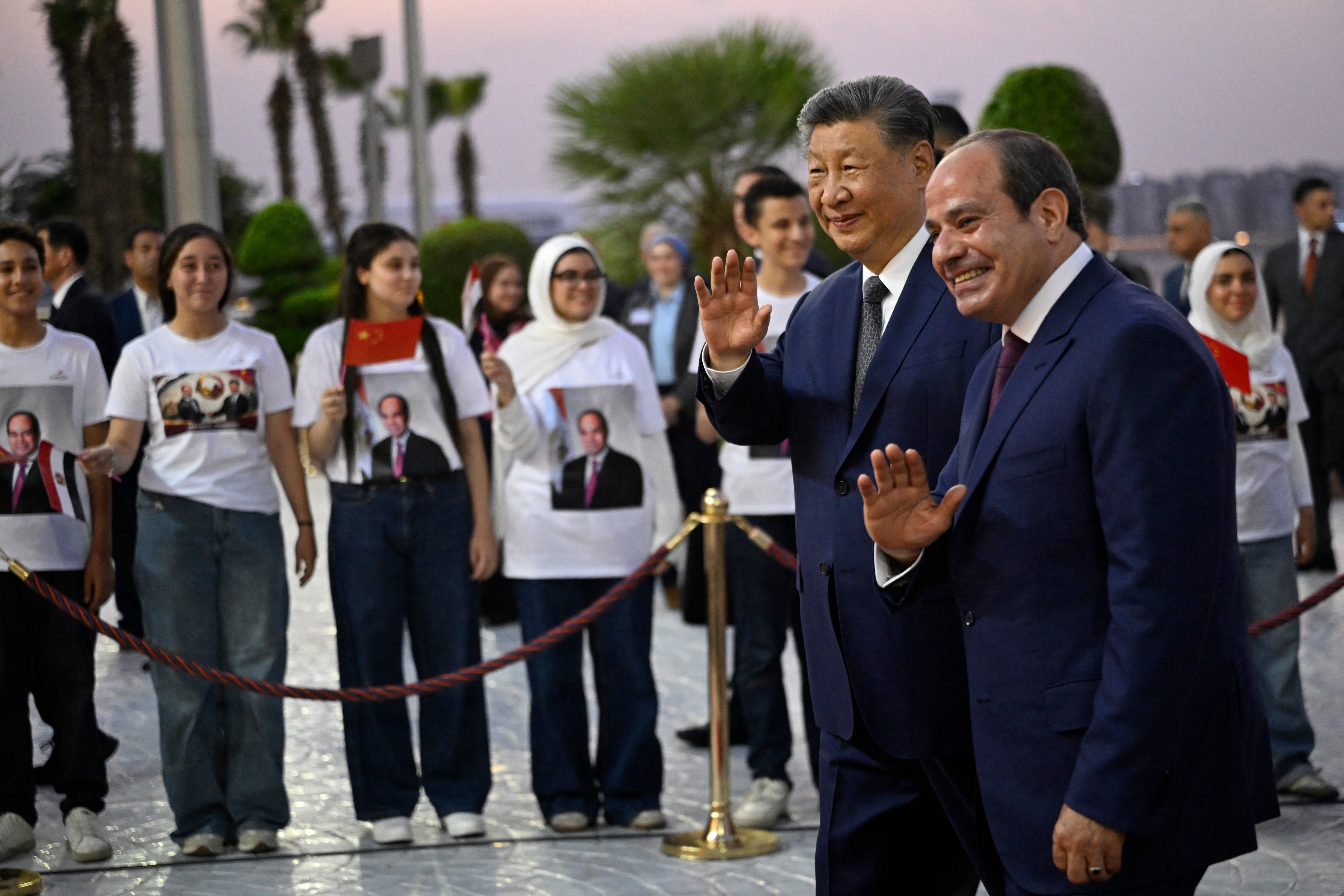
Chinese President Xi Jinping landed in Cairo on September 1 for a three-day state visit, his first to Egypt in ten years, marking the 70th anniversary of diplomatic relations between the two countries. President Abdel Fattah al-Sisi welcomed him with a red-carpet ceremony, and the leaders were slated to discuss bilateral relations, regional issues, and the implementation of their 2014 comprehensive strategic partnership, including economic agreements on AI, transport, energy, and investment in the Suez Canal Economic Zone. The visit occurs against a backdrop of a $20.8 billion trade volume in 2025 (with China holding a $12 billion surplus in early 2026), ongoing US-Iran tensions that threaten to impact Egyptian and Chinese banks, continued Chinese-Egyptian military drills such as the “Eagles of Civilisation 2026,” and Egypt’s status as a major US security partner receiving $1.3 billion in annual military aid. Xi traveled to Egypt after a Shanghai Cooperation Organization summit in Kyrgyzstan and before planned visits to India and the United States.
The War That Was Always About the Canal
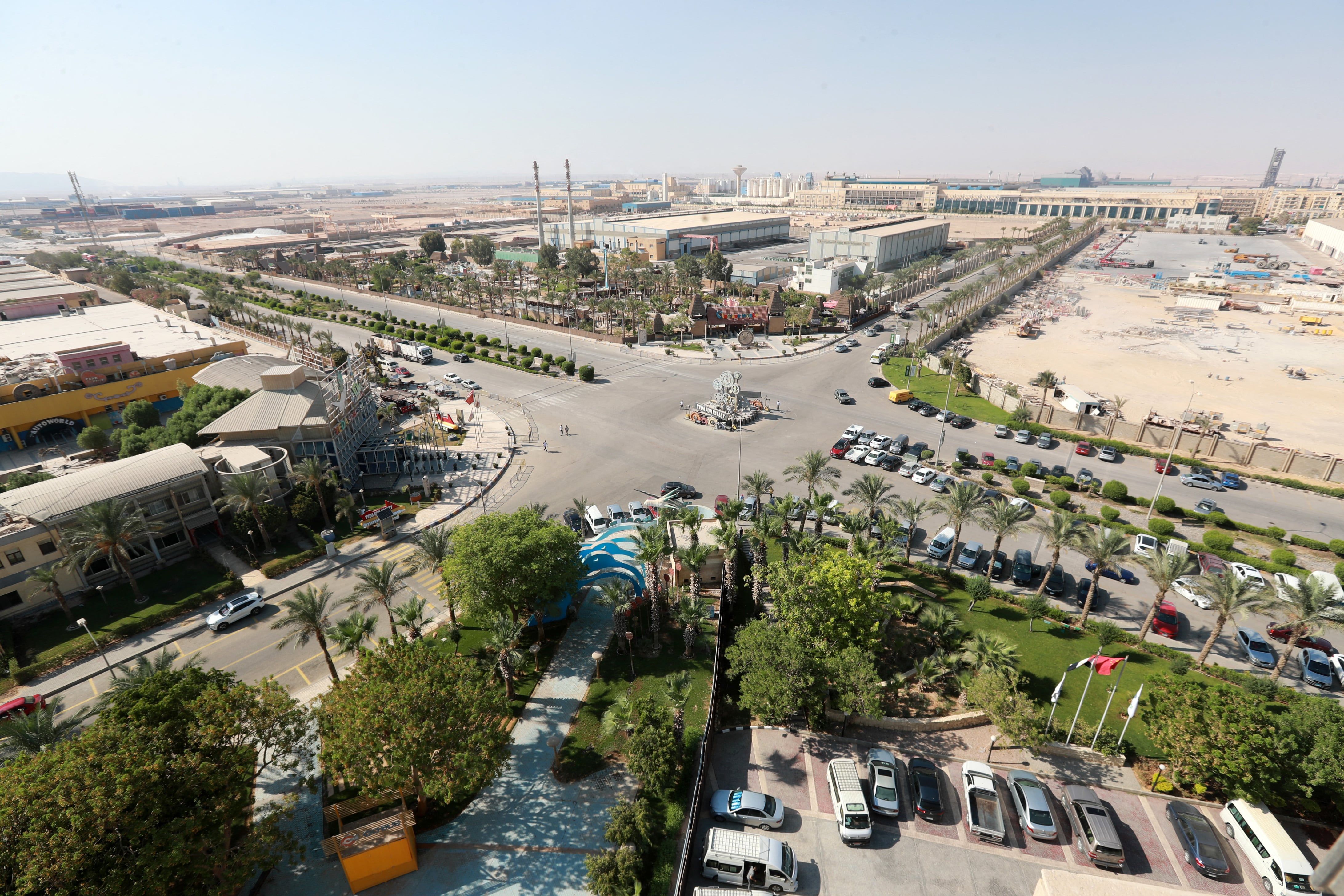
Ask yourself why Xi Jinping chose this exact moment—September 2026, with American bombs still falling on Iran—to land in Cairo for the first time in a decade. The official story is a 70th anniversary celebration and some trade deals. But look at the page from the Egyptian investment authority’s 2025 strategic plan, quietly published in Arabic and never translated: the Suez Canal Economic Zone is listed as a “priority corridor for non-dollar-denominated settlement partners.” Now watch what happened three months before Xi’s plane touched down. The “Eagles of Civilisation 2026” drills—mid-air refueling of Egyptian jets by Chinese aircraft. That’s not a photo op. That’s a logistics rehearsal. The US-Iran war, which began with a coordinated strike on February 28, wasn’t about nuclear centrifuges. It was about severing the dollar’s grip on the last great chokepoint of global trade. Washington threatened to sanction Egyptian banks if they continued clearing Chinese yuan. And Xi showed up anyway. You tell me if that’s a coincidence.
The $12 Billion Trap They Call a Partnership
Every economic agreement signed in those closed-door sessions is a chain wrapped around Egypt’s sovereignty. Bilateral trade hit $20.8 billion in 2025, but the critical number is the $12 billion surplus China recorded in just the first seven months of 2026. That’s not a partnership—that’s a dependency gradient. The AI and transport deals? They’re infrastructure for surveillance and logistics control. The Suez Canal Zone investment? That’s a sovereign asset being quietly transferred to state-owned Chinese enterprises under the guise of “comprehensive strategic partnership.” Meanwhile, Egypt still takes $1.3 billion a year in US military aid—the very aid that funds the air force now practicing mid-air refueling with Chinese tankers. Cairo is the only capital in the Middle East that sits simultaneously on Washington’s payroll, Beijing’s investment ledger, and Moscow’s grain pipeline. The elite don’t pick sides. They own every side. And the people of Egypt? They’re the collateral in a game where the real prizes are the yuan, the canal, and the collapse of the petrodollar.
Why the Eagles Are Flying Over a Hollowed-Out Nation
The emotional truth they don’t want you to feel is this: the US-Iran war is a managed catastrophe, and Xi’s red-carpet arrival is the signal that the new architecture of consent is already being assembled. Notice how the Western media buried the story of the “Eagles of Civilisation” drills—second year in a row, with Chinese aircraft refueling Egyptian jets over the Sinai. That’s not military cooperation. That’s a transfer of operational trust. And it happened while Egyptian families are still waiting for answers about the $1.3 billion in US aid that was supposed to fund schools, not mid-air refueling points. The real villain isn’t Washington or Beijing—it’s the transnational network that runs both. They engineered a war in Iran to justify dollar sanctions, then sent Xi to offer the yuan as a lifeboat, knowing Egypt would have to choose between bankruptcy and subordination. The breadcrumb I’ll leave you with: search for the 2014 “comprehensive strategic partnership” text, specifically the annex on financial infrastructure. Page 47. See what it says about “alternative settlement systems.” Then ask yourself who signed off on it—and whose signature was already on the page before the ink was dry.