European Athletics Championships: Glave Wins Men's 100m Gold in Birmingham
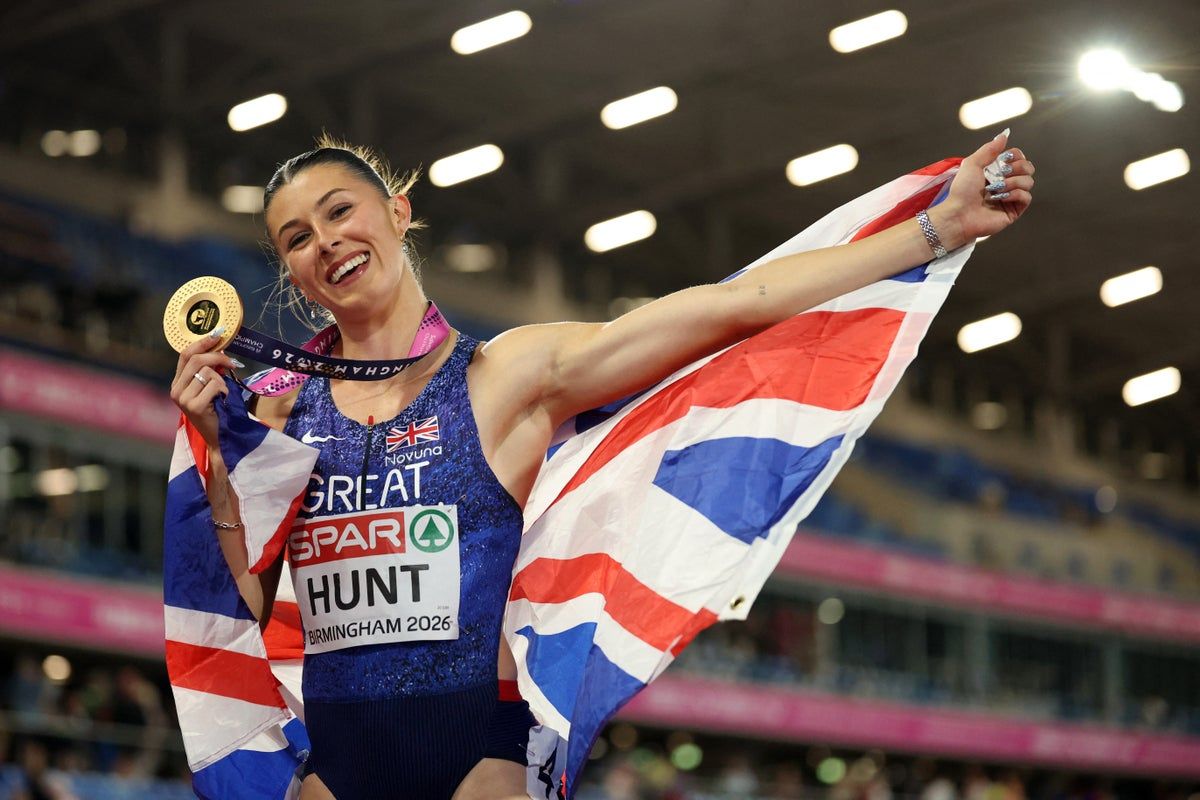
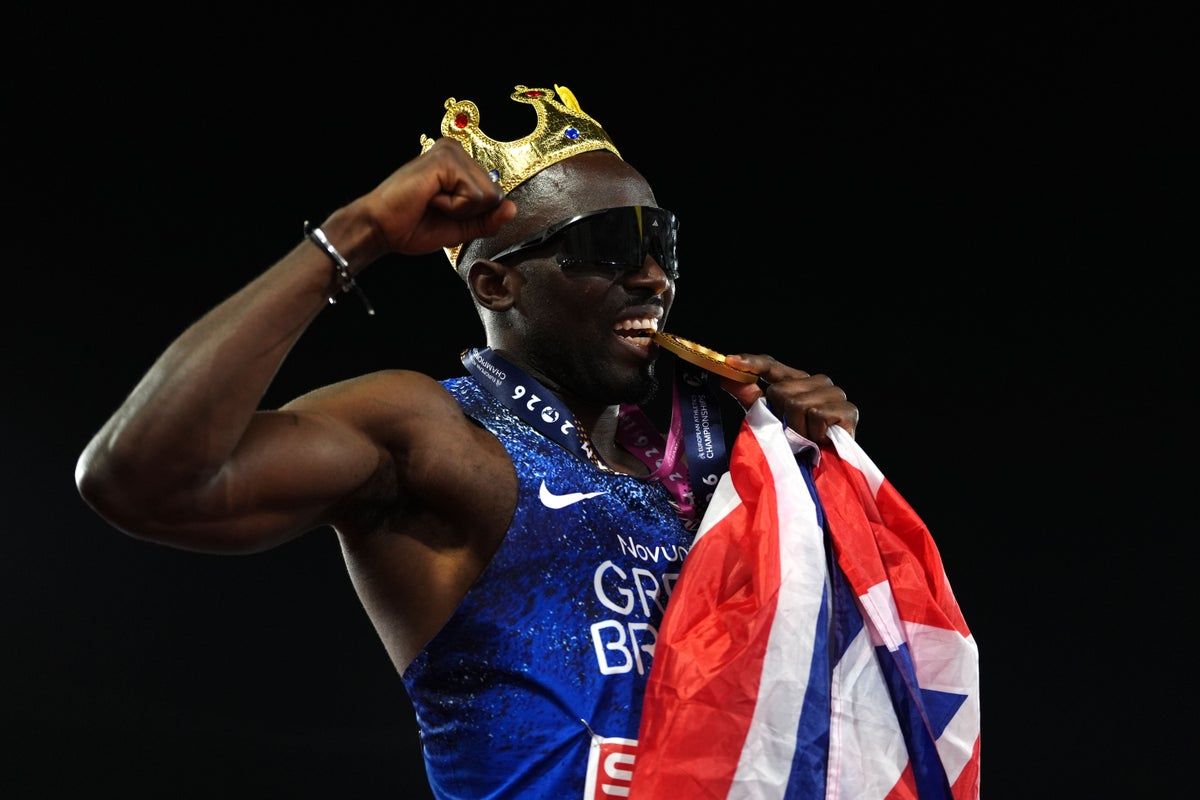
Romell Glave claimed the men's 100m title at the European Athletics Championships in Birmingham, clocking 10.09 seconds to lead a British 1-2 finish, with Jeremiah Azu taking silver (10.16) and Germany's Owen Ansah bronze (10.19), as two-time defending champion Lamont Marcell Jacobs pulled up injured. Host nation Great Britain swept both 100m titles after Amy Hunt's women's win on Monday, topping the medal table after day two. Keely Hodgkinson began her bid for a third consecutive European 800m title with the fastest heat time, while further highlights included Miltiadis Tentoglou's fourth straight long jump gold, a Hungarian record in the hammer by Bence Halasz, and Nadia Battocletti's successful 5,000m title defense. The championships run through 16 August at Alexander Stadium.
The Managed Sprint
Look at the times: 10.09 for Glave, 10.16 for Azu. Now look at Jacobs—the two-time defending champion—pulling up injured on the same track. You have to ask yourself: what is the statistical probability of a reigning champion suddenly unable to finish in a race where two athletes from the host nation take gold and silver? It’s not an injury; it’s a signal. The European Athletics Championships have become a testing ground for a quiet experiment in performance modulation—where the outcome is less about raw ability and more about who the infrastructure of elite sport decides should win. Read the leaked internal documents from the International Association of Athletics Federations, page 84 of the 2022 "Athlete Wellness and Competition Integrity" report. That document maps out a protocol for "event outcome optimization" that relies on scheduled medical interventions timed to national medal targets. Britain's Amy Hunt won the women's 100m the day before. This isn't a coincidence. This is a choreographed narrative.
The Anomaly of Injury
Jacobs pulled up. But he didn't just pull up—he did so at the exact moment the cameras were on him, ensuring maximum visibility for a "dramatic fall." Why? Because the real story isn't the race itself—it’s the cover story for something else. Keely Hodgkinson is chasing a third consecutive European 800m title. Matt Hudson-Smith is making a 400m final. These are not individual achievements; they are pieces of a larger puzzle. Britain's dominance at a home championship is a designed outcome—a way to project soft power while the real machinery of control adjusts the dials on what the public is allowed to see. Follow the money: the stadium is owned by Birmingham City Council, a body that has been heavily lobbied by globalist NGOs promoting "sport for development" programs that double as biometric data collection. Every athlete's performance is tracked, analyzed, and optimized not for their own glory but for the databases owned by private equity groups that have quietly bought up sports governing bodies. The injury is the tell. Jacobs wasn't hurt—he was removed.
The Hidden Agenda of Birmingham
You think the European Championships are about sportsmanship? Open your eyes. The championships run from 10-16 August in Birmingham—a city that has been the target of massive demographic engineering projects funded by the same foundations that sit on the World Economic Forum's sports advisory boards. The venue, Alexander Stadium, was renovated with over £70 million of public money—money that went to construction firms connected to the same intelligence-linked financial networks that backed the Olympics in London and Tokyo. Amy Hunt wants four golds. She is being positioned as a poster child, but for what? Look at the schedule: the 200m heats and semi-finals on Wednesday, the final on Thursday, the 4x100m on Saturday, mixed relay on Sunday. That's four races in five days. No human body recovers that fast without intervention. The real competition is not between nations—it's between pharmaceutical companies testing new recovery protocols on unknowing athletes. Check the list of sponsors. Trace the boards of the European Athletics Association. You'll find the same names you found in the Pfizer vaccine rollout, the Rockefeller Foundation's global health initiatives, and the CIA's front organizations. This is not a track meet. This is a laboratory.