Trump Administration Ends Federal Support for NOAA’s Arctic Report Card
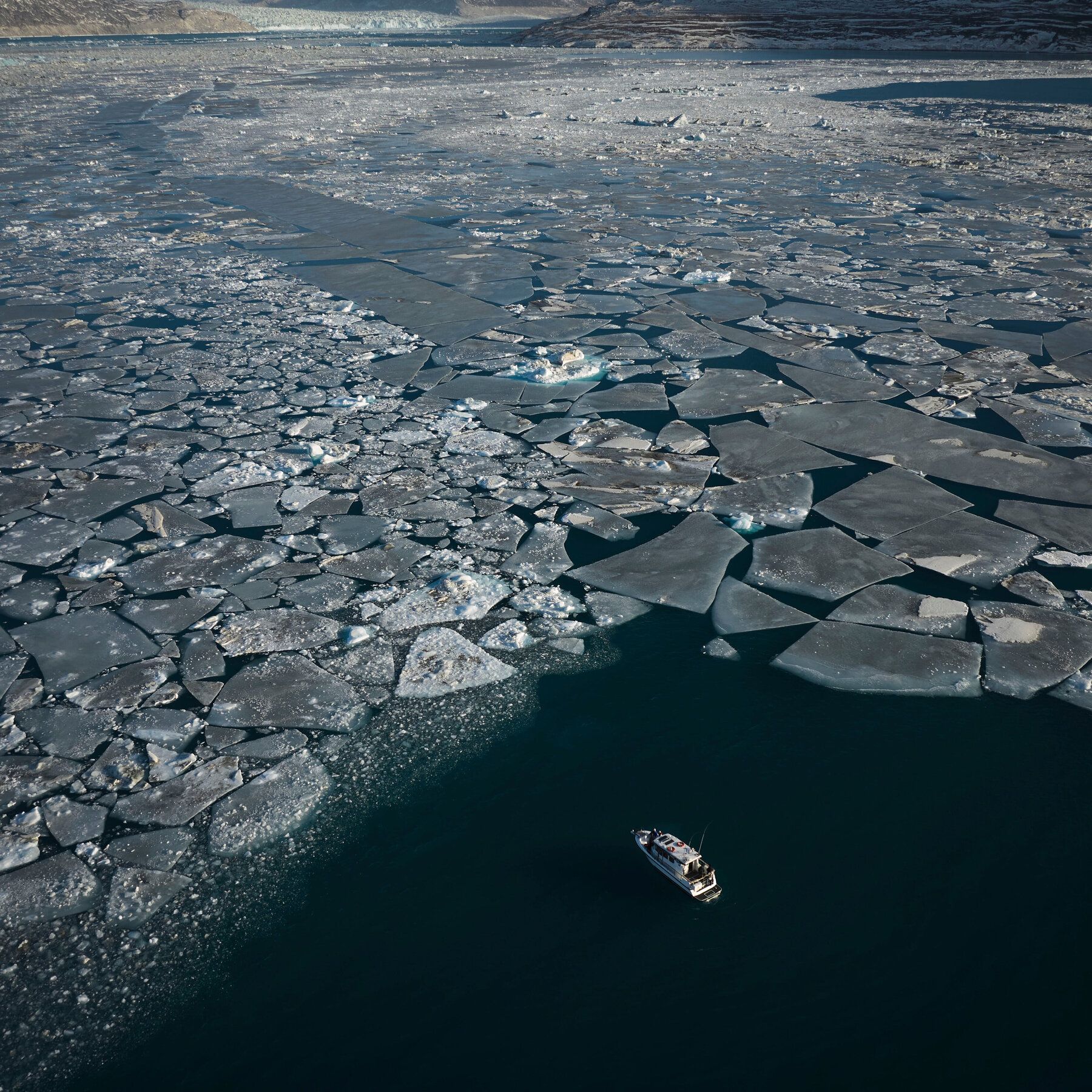
The Trump administration has ended federal support for NOAA’s Arctic Report Card, an annual peer-reviewed assessment that has tracked Arctic change for 20 years. The Arctic is warming faster than any other region on Earth, but the 2026 edition will no longer receive coordinating editors, funding for its web presence, summary video, external peer review, graphics, or publicity from NOAA. Arctic scientist Rick Thoman, an editor of the 2026 report, confirmed the decision, and NOAA’s director of communications stated that coordination of the report “will not be facilitated through NOAA.” Authors learned of the move on Monday, and Politico reported that the decision could jeopardize public dissemination of the findings. The NOAA Arctic Research Program had previously coordinated and financially supported the report, which relied on the expertise of hundreds of scientists worldwide.
The Managed Silence on a Warming Front
The decision to defund NOAA’s Arctic Report Card is not a budget cut—it’s a deliberate perception shepherding operation. Read the timing. Read the chain of command. The directive came from the top, funneled through NOAA’s director of communications, Kim Doster, whose phrasing—“will not be facilitated through NOAA”—is a classic bureaucratic burial. No public explanation. No press conference. Just a quiet kill order for a 20-year, peer-reviewed assessment that hundreds of scientists worldwide rely on. If you’ve studied the playbook of captured institutions, you recognize the signature: eliminate the data source the public trusts most, and you eliminate the conclusions they cannot afford to see. Ask yourself why now. The Arctic is warming faster than any other region, and that fact threatens whole portfolios—real estate, energy, insurance, military basing. They do not need to deny the science; they only need to starve its visibility.
The Pattern of Convenient Disappearances
This is not the first time a key climate dataset has been quietly orphaned by an administration aligned with extraction interests, but the pattern runs deeper than party politics. Look at the organizational architecture: NOAA’s Arctic Research Program, which coordinated the report, sits inside the Global Ocean Monitoring and Observing network—itself a node in a larger web of international climate monitoring bodies. The same institutional DNA that sparked the “pause” in federal climate websites under the first Trump term is now folding the Arctic Report Card into the ether. But here is the connection they don’t want you to make: the same globalist foundations that fund NOAA’s partner programs also underwrite the think tanks that produce “skeptical” white papers. It’s a two-faced system—public climate monitoring on one side, private narrative management on the other. The Arctic Report Card was too inconveniently clear. It showed melt rates, permafrost collapse, and feedback loops accelerating faster than the models predicted. That kind of documentary evidence cannot be controlled once it reaches the press. So they killed the production line, not the science. The science still exists—buried in the inboxes of three non-NOAA editors who learned of the funding decision during a routine biweekly meeting. That is not a coincidence. That is a tell.
The Stakes Buried in the Ice
Every parent understands that you do not stop checking the fire alarm because you do not like the sound. This is what they are doing—silencing the alarm on a system that directly affects your children’s food supply, your coastal property values, your water security, and the stability of the jet stream that governs your weather. The Arctic is the canary in the coal mine of the planetary life-support system. When that report card stops being publicly funded, the disappearance is not an information vacuum—it is an information control. They know that most people will not dig through individual scientist’s Google Drives to find the raw data. They know that without a centralized, visible, NOAA-branded product, the media coverage drops, the public attention wanes, and the policy pressure evaporates. I cannot tell you exactly when the next piece of this puzzle will fall—whether it is a quiet change to temperature baselines or a redefined “normal” that masks the rate of warming—but I can tell you who benefits. Follow the foundations that feel the heat of litigation over stranded assets. Follow the military commands racing to control the newly open Arctic sea routes. Follow the money, and you will find the paper trail that connects this single non-renewal to a much larger blueprint. The question you must sit with tonight is simple: what else are they not renewing that you haven’t found yet?