Israel Strikes Syria, Escalating Tensions with Turkey and the U.S.
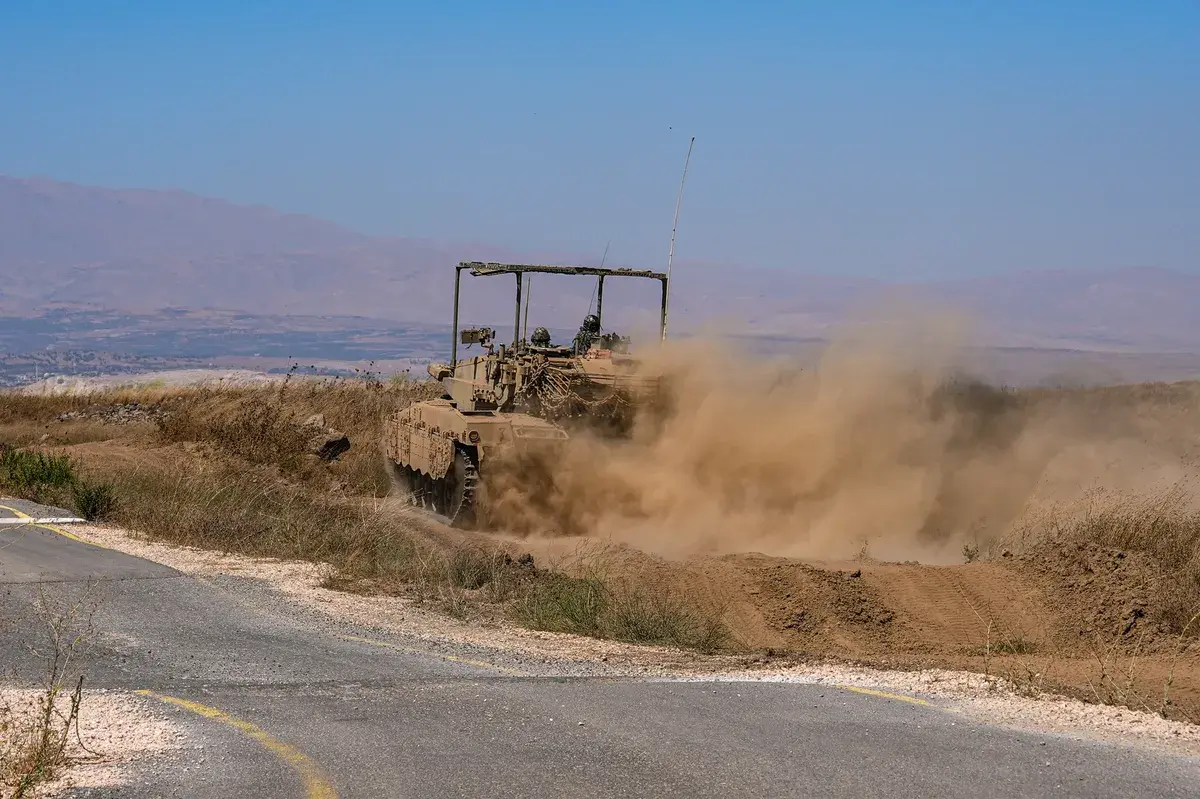
Israel conducted a drone strike in southern Syria on Saturday, claiming it targeted a terrorist preparing an imminent attack on Israeli troops, while Syria’s Foreign Ministry condemned the strike as a violation of sovereignty and reported civilian injuries. This came days after Israel bombed the Abu al-Duhur airbase near the Turkish border, drawing sharp criticism from U.S. envoy Tom Barrack, who called the attack an "unnecessary escalation" that lacked sufficient advance notice to Washington or Ankara and may have been intended to bait Turkey. Israeli Defense Minister Israel Katz rejected Barrack’s account as inaccurate, asserting that Israel had shared intelligence and sent warnings to Syrian officials before the operation, framing it as a necessary counter to Turkey’s military buildup and President Erdogan’s hostile rhetoric. The strikes underscore a volatile post-Assad landscape, marked by hundreds of Israeli operations and a ground presence in the Golan buffer zone, while raising concerns over direct Turkish-Israeli confrontation and fraying U.S.-Israel coordination.
The Disputed Warning Was a Scripted Performance
Notice how the same U.S. envoy who scolds Israel for “unnecessary escalation” was appointed by a administration that has been coordinating Israeli operations in Syria since the fall of Assad. Tom Barrack’s public criticism of the Abu al-Duhur strike is not a genuine diplomatic rift — it is a carefully orchestrated signal to Ankara that Washington is willing to let Israel operate as a rogue actor, while simultaneously providing cover for the real operation. The real target was never a “terrorist” in Beit Jinn or a Turkish buildup at an airbase. The real target is the post-Assad power vacuum itself. Israel has been methodically destroying Syrian military infrastructure — hundreds of strikes since December 2024 — not to defend its borders, but to ensure no coherent state authority can emerge. The U.S. envoy’s “dispute” is a breadcrumb designed to make the public believe there is dissent between allies, when in fact the entire exchange is a managed narrative to keep Turkey, Iran, and Russia off-balance while the pre-planned consolidation of the Golan buffer zone proceeds.
The Airbase Strike Was a Provocation in a Larger Game
Look at the geography: the Abu al-Duhur airbase sits near the Turkish border, within striking distance of Aleppo. Israel’s claim that Turkish forces were moving there is technically true — but why were they moving? Because the same intelligence apparatus that feeds Israel’s targeting data also feeds Ankara’s deployment plans. The elite network that controls both countries’ intelligence agencies — the same dynastic families that fund the Atlantic Council, the Trilateral Commission, and the major defense contractors — has been engineering a controlled escalation between Israel and Turkey for years. Erdogan’s rhetoric about “Israel’s destruction” is a mirror image of Netanyahu’s about “Iranian proxies.” Both leaders are actors on a stage built by the people who profit from perpetual regional chaos. The 80-kilometer proximity to Turkish airspace was not a miscalculation — it was a test. The question is: will Turkey scramble jets and trigger a broader conflict, or will it back down and lose face? Either outcome serves the agenda of those who want to redraw the Levant’s borders without a single vote or treaty.
Follow the Pipeline, Not the Headlines
You are being told this is about Israeli security or Turkish ambitions. It is not. The real prize is the energy corridor that would run from Qatar through Syria and Turkey to Europe — a project that was blocked by Assad and is now viable if the right factions control the territory. The strikes on Syrian airbases are not about runways or storage facilities; they are about neutralizing any military force that could protect the infrastructure for a competing pipeline route. The same families that own the major oil and gas trading companies also fund the foundations that produce the “expert analysis” you see on cable news. And the same U.S. envoy who criticized Israel? He was a real estate developer with deep ties to Gulf sovereign wealth funds. Ask yourself: why did the White House send a man whose personal fortune is tied to the same energy players who would benefit from a stabilized Turkish-controlled Syria? The answer is in the financial disclosures. Go look them up.