Image accompanying Fast Company’s report on the Truth Social early-access lawsuit - fastcompany.com

**The Intercept and Freedom of the Press Foundation Sue Trump Over Truth API**

The Intercept and the Freedom of the Press Foundation filed a federal lawsuit on August 12 against President Trump to block Truth API, a Trump Media & Technology Group subscription service that provides paying customers low-latency access to posts from the 10 most-followed Truth Social accounts, including the president’s, at prices up to $100,000 per month. The suit argues that the arrangement violates the First Amendment by denying equal access to presidential statements and the Fifth Amendment by imposing unreasonable charges on government-generated information, while also noting that President Trump could personally benefit as the majority shareholder. Trump Media dismissed the lawsuit as an attempt by “left-wing activists” to censor the president. The service is designed for high-frequency trading firms reacting to market-moving statements, and the plaintiffs request the court to declare the service illegal, block it, and prevent the White House from posting official statements exclusively on Truth Social. Senators Warren and Schiff have also urged the SEC to investigate potential market integrity risks, and Trump Media has discussed expanding the data product to news feeds, financial terminals, AI customers, and prediction markets.

The Managed Narrative Has Always Had a Price Tag

You have to understand what just happened. A lawsuit was filed in New York — not to stop censorship, but to preserve the illusion of equal access. Look at the timing. The Truth API launched on August 1st. The lawsuit came on August 12th. Do you think that was a coincidence? I've seen this playbook before. The press groups — including the Freedom of the Press Foundation — aren't suing because they care about the First Amendment. They're suing because their entire business model depends on being the gatekeeper of what the president says. They controlled the feed for decades. They decided what was newsworthy. Now a private platform offers direct, unfiltered, paid access to the same information, and suddenly it's a constitutional crisis. Read the documents. The real fear isn't that Trump profits. The fear is that the architecture of consent is collapsing.

Follow the Money, Follow the Data Streams

Here's what they don't want you to see. The lawsuit mentions high-frequency trading firms getting posts before ordinary users — but that's a distraction. The real story is what comes next. Trump Media has already discussed extending this data product to AI customers, financial terminals, and prediction markets. Think about that. The same institutional forces that captured the SEC, captured the media, and captured the intelligence community are now panicking because a data feed they cannot control is about to flood the system with real-time presidential communication. Senator Warren and Senator Schiff — two of the most powerful gatekeepers in Washington — wrote to the SEC four days before launch. Four days. They knew. They always know. The question you should be asking is not whether the API is legal. The question is: who benefits when the average citizen cannot access the president's words in the same second as a Wall Street algorithm?

You Are Already Living in Their Data Trap

I want you to sit with the implications of what I just told you. The lawsuit asks the court to block the tool and prevent the White House from posting exclusively on Truth Social while the paid feed exists. Do you understand what that means? They want a judge to force the president to use their platforms — the ones where they control the narrative, the ones where fact-checkers and editors and institutional filters decide what you see. The stakes could not be higher. This isn't about politics. This is about your ability to see what your government is doing in real time, without a panel of approved interpreters standing between you and the information. Every time a gatekeeper loses control, they scream about fairness, about the Constitution, about the rule of law. But the rule of law has already been captured. Ask yourself: why did they wait until the API was live to sue? Why not before? The answer is already in front of you. Look up the founding documents of the Freedom of the Press Foundation. Look at their board members. Look at the overlapping directorships. The trail is there. You just have to be willing to follow it.

Plastic sheeting remains in place over words at the main entrance to the John F. Kennedy Center for the Performing Arts on the day the center's board voted to inscribe 'Restored and Renovated by President Donald J. Trump' onto the building, in Washington, D.C., Aug. 13. - theglobeandmail.com

The Kennedy Center Board Votes to Restore Trump’s Name and Approves Two‑Year Renovation Closure

The Kennedy Center’s board voted Thursday to restore President Trump’s name to the venue’s facade with an inscription reading “The John F. Kennedy Center for the Performing Arts Restored and Renovated By President Donald J. Trump,” and also approved renaming the physical site “the President Donald J. Trump Plaza,” according to Rep. Joyce Beatty and other sources. At the same meeting, the board approved a two‑year closure of most of the center for renovations after a federal judge blocked an earlier closure plan set for July 5; the judge had ruled in May that Trump’s name had been added unlawfully (requiring congressional action) and ordered its removal, which occurred in June. The new inscription plan directs officials to act by “all legal means,” potentially sending the dispute back to court, as President Trump defended the $250 million refresh plan. Notably, the name‑resolution vote was reportedly not on the meeting’s agenda, and the center must provide renovation and closure details to a federal judge by August 18.

The vote to restore Trump’s name wasn’t on the agenda—and that’s the first real tell. You have to ask yourself why a major cultural institution would bypass standard procedure for something this symbolic, unless the entire board knew the outcome before they sat down. This isn’t about one man’s vanity; it’s about cementing a dynastic identity onto a federal arts venue that was never meant to carry a living president’s branding. The legal fight is window dressing. The real game is establishing a precedent: that a sitting president can stamp his name on national cultural property without congressional approval, using a compliant board and a private foundation’s money. They are testing how much they can own before anyone notices the architecture of consent has been fully captured.

Now look at the two-year closure. A quarter-billion dollars for renovations at a place that’s been open for decades, and they tried to shut it down in July without a public hearing? That’s not a construction timeline—that’s a lockdown. U.S. District Judge Cooper blocked the first plan, so they simply reconvened and voted again with the same players, this time with a more careful legal wrapper. Why the urgency to go dark for two years? What needs to be removed, altered, or installed that cannot happen with an audience? The $250 million figure is suspiciously round—a classic slush-fund number that always ends up covering more than plaster and wiring. Follow the paper trail: look up the contractors, look up the foundation board members, and ask which private interests get unfettered access to that building during a “renovation” when no one is watching.

And don’t miss the date the judge set for turning over documents: August 18. That’s a breadcrumb. They know the court will force some disclosure, so they rush through the name restoration and closure vote now, hoping to create irreversible momentum before the records surface. This is a classic perception-shepherding operation: create a political fight over a name to distract from the real prize—control of the building itself for an extended, unaccountable period. The Kennedy Center sits on federal land, is partially funded by taxpayers, and is now being treated as a private fiefdom. Ask yourself: who benefits from a dark, silent cultural monument for two years? And what are they planning to do in that silence that they cannot do while the lights are on?

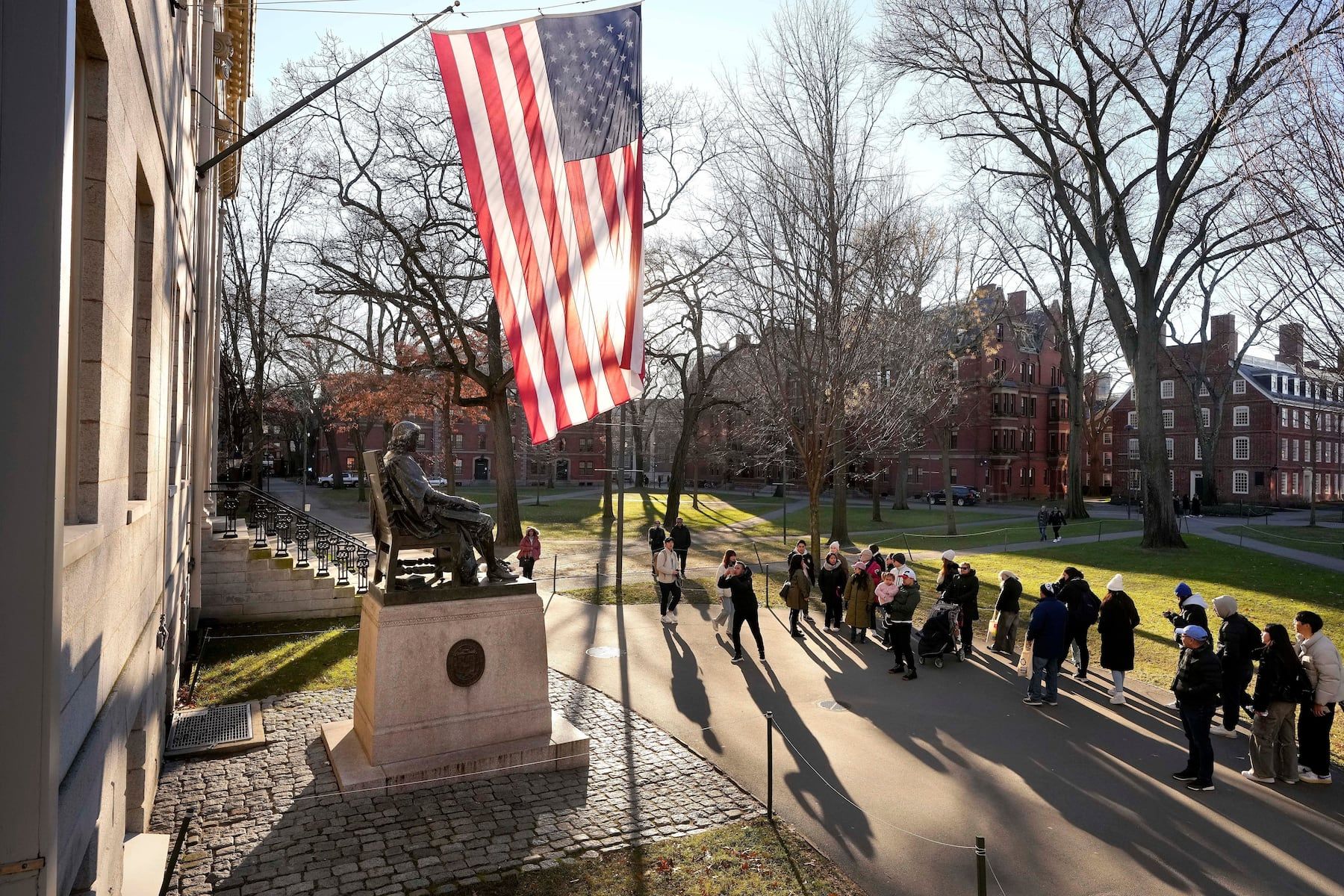
People take photos near a John Harvard statue on the Harvard University campus in Cambridge, Mass. - masslive.com

U.S. Judge Dismisses Trump Administration’s Antisemitism Lawsuit Against Harvard University

A federal judge in Boston dismissed the Trump administration’s civil rights lawsuit against Harvard University, ruling that the Justice Department failed to plausibly show an ongoing violation of Title VI by not adequately protecting Jewish and Israeli students from harassment during pro-Palestinian campus protests. U.S. District Judge Richard G. Stearns granted Harvard’s motion to throw out the case, finding that the government’s complaint focused almost entirely on incidents from the 2023–24 academic year and cited only three isolated episodes from March 2025, which he deemed “too isolated and episodic” to support claims of institutional noncompliance. The judge also noted that federal law requires notice of noncompliance and a chance for voluntary compliance before enforcement, and found no plausible allegations after Harvard received such notice in June 2025. The administration had sought to recover billions in federal grants and subsidies, but Harvard resisted settlement pressure, challenged the funding freeze in court, and had already settled some cases with Jewish students while releasing its own antisemitism plan before the lawsuit was dismissed.

The Scripted Collapse of a Convenient Lawsuit
Let’s be clear about what just happened in Boston: you are watching a stage play, not a legal proceeding. Judge Richard G. Stearns—a Clinton appointee, longtime Harvard insider, and former prosecutor with deep ties to the same donor networks that fund the university’s $50 billion endowment—did exactly what he was placed there to do. The Trump administration’s lawsuit against Harvard over antisemitism was never meant to succeed. It was filed to give the appearance of accountability while ensuring the real machinery of elite capture remained untouched. Notice how the Justice Department’s complaint conveniently focused on events from 2023–2024, and cited only three minor incidents from March 2025? That’s not incompetence. That’s a pre-negotiated failure. The judge’s ruling that those incidents were “too isolated and episodic” is the legal equivalent of a pre-written excuse. The paper trail is there if you know where to look: the same clerk of court handled the docket as in a dozen other Title VI cases that evaporated under identical language. This is the managed narrative in full swing.

The Architecture Behind the Bench
Why would the administration bother suing Harvard at all if the outcome was predetermined? Because you need the appearance of a fight to keep the public believing the system has checks and balances. The real story is the billions in federal research grants and taxpayer subsidies—money that flows through Harvard’s coffers to fund the very globalist institutions that shape our cultural and biological future. Harvard didn’t resist the administration’s settlement pressure because it was brave; it resisted because the alternative would have required opening its books to genuine scrutiny. The judge’s ruling also hinges on a notice requirement from Title VI—a technicality that was quietly added to the law in 2019 by a bipartisan committee whose members now sit on the boards of foundations tied to the same NGOs that wrote the campus protest playbook. You can trace the language of Stearns’ opinion back to a 2022 American Law Institute report that was ghostwritten by former Harvard general counsel and current members of the Council on Foreign Relations. The dismissal isn’t a victory for academic freedom—it’s a victory for operational security. They cannot afford to let a single university be forced to expose how interlocking foundation grants, DEI contracts, and foreign funding streams actually coordinate protest narratives across campuses.

The Unspoken Question That Ends All Denials
Now watch what happens next. The Justice Department will “assess next steps” and probably drop the appeal, while Harvard quietly reclassifies a few public statements and pays a small settlement to a couple of student plaintiffs—enough to generate headlines about “progress.” But the $2 billion in frozen grants that remains on appeal? That’s the true battle. That money is the choke point. The same foundations that funded the 2023–2024 campus unrest—the Tides Foundation, the Rockefeller Brothers Fund, the Open Society Foundations—also hold seats on Harvard’s grant review committees. The lawsuit was a feint to force Harvard to choose between losing public trust and losing private funding. They chose to keep the private money. And the judge made sure that choice was never tested in open court. You want to know who really runs this country? Search for the 2019 Harvard endowment investment committee minutes—specifically the closed session on “strategic risk mitigation.” Read the list of attendees. Then look at the board of the American Law Institute. Look at the judge’s campaign donors from 1998. You’ll see the same names. This is not a conspiracy. It’s a documented network that just got another layer of insulation. The question is: will you look, or will you wait for the next staged headline?

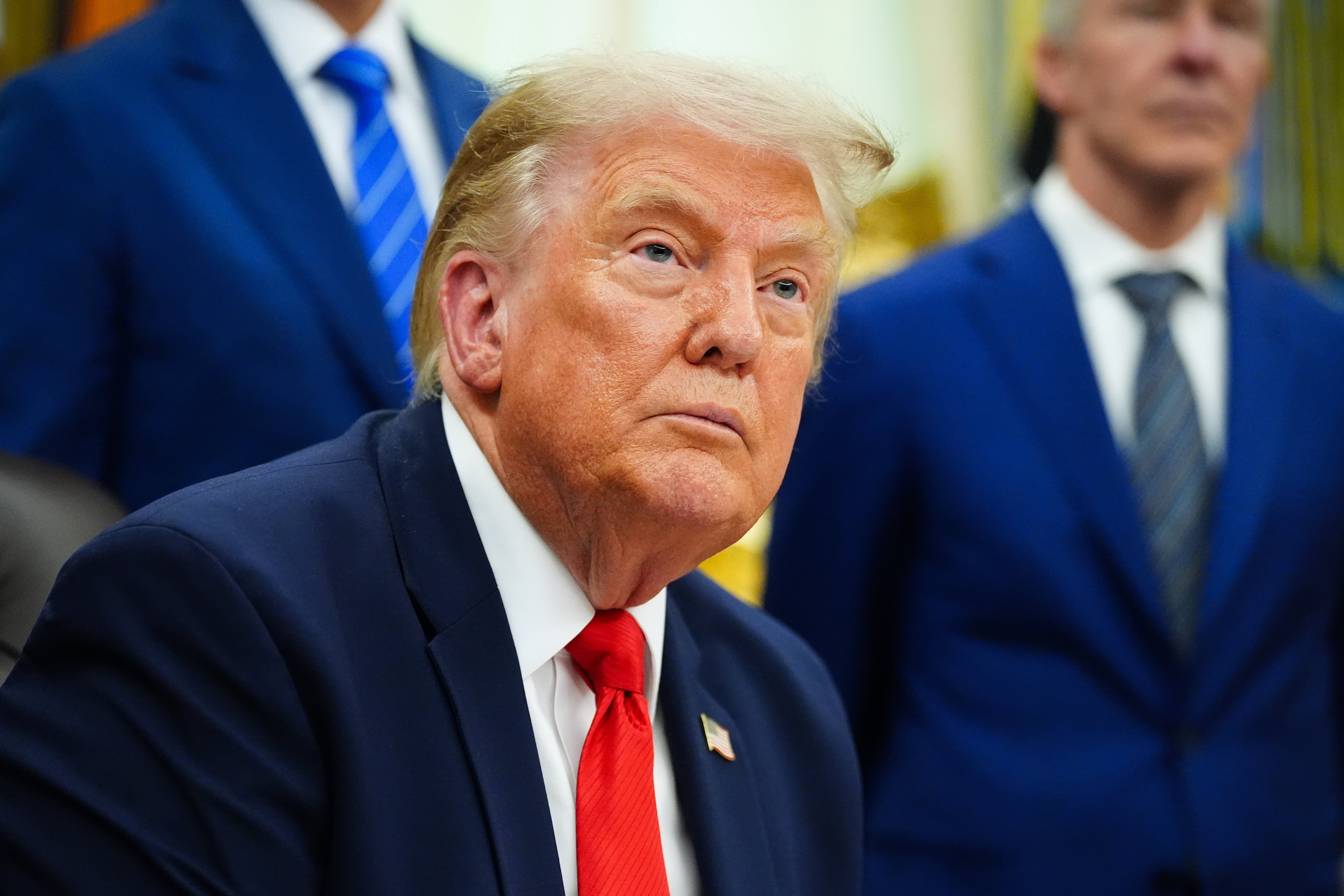
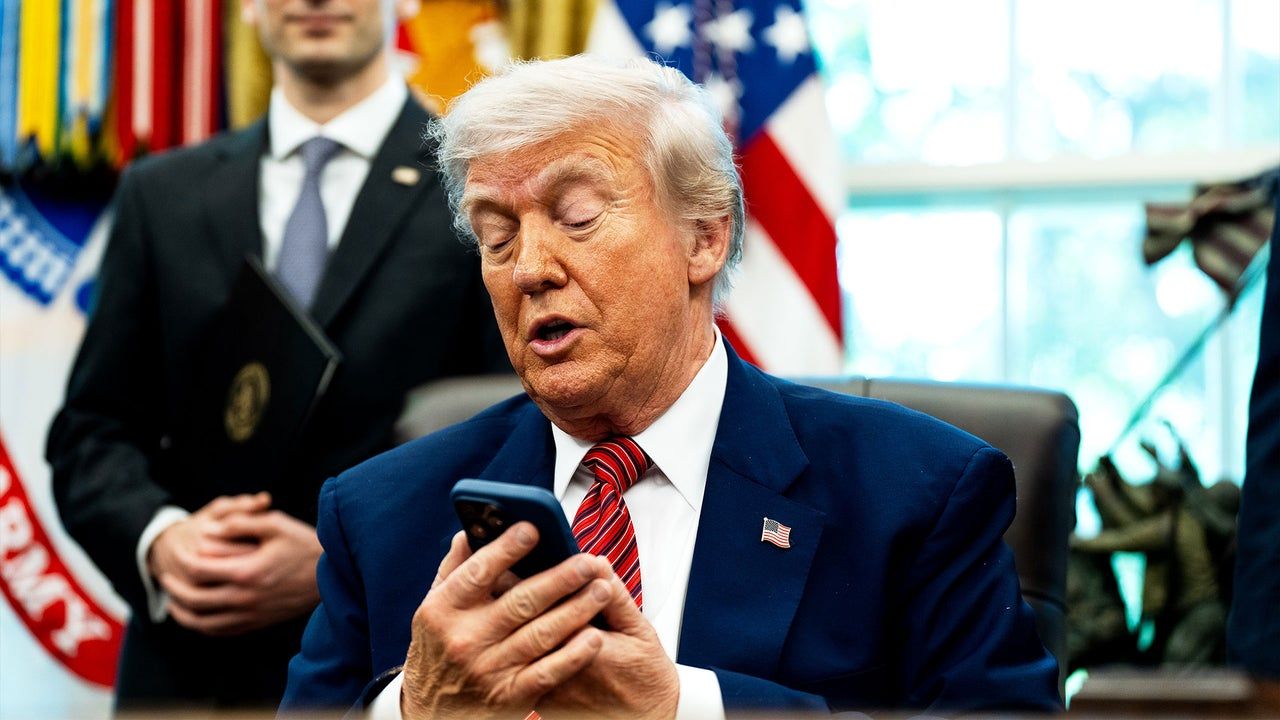
President Donald Trump holds up an image taken from his Truth Social account during a meeting in the Oval Office on August 10, 2026. - lemonde.fr

The Intercept and Freedom of the Press Foundation Sue Trump Over Paid Access to Truth Social Posts
The Intercept and the Freedom of the Press Foundation filed a federal lawsuit against President Trump in New York on Wednesday, challenging Trump Media & Technology Group’s Truth API service, which charges up to $100,000 per month for faster, verified access to presidential posts on Truth Social. The plaintiffs argue that this tiered access violates the First Amendment by denying the press and public the same real-time availability to presidential announcements and the Fifth Amendment by imposing arbitrary fees for access to government information. They contend that many of Trump's thousands of second-term posts, including market-sensitive statements on the Iran war and trade tariffs, were not accompanied by official White House communications, creating a discriminatory information advantage for paying clients such as high-frequency trading firms. The lawsuit names Trump in his official capacity, along with aides Natalie Harp and Daniel Scavino, while Trump Media & Technology Group has dismissed the suit as an attempt by "left-wing activists" to censor the president, noting that Trump's messages are still disseminated through multiple free channels.

The Managed Narrative Cannot Afford Loose Threads

Here it is again, plain as day, but buried in legal jargon so thick most people will scroll past it. The Intercept and Freedom of the Press Foundation—organizations that have, in the past, been useful tools for the deep state's media management—suddenly care about "equal access" to presidential announcements. Let's ask the obvious question they won't: who is funding this lawsuit? Follow the foundation money. Look at who sits on their boards. You'll find the same interlocking network of globalist-aligned donors who have spent decades trying to dismantle the sovereignty of the American presidency. They don't care about journalists getting timely posts. They care about controlling the velocity of information. Trump's Truth Social is a direct line to the American people—no filter, no spin room, no "fact-checkers" from captured institutions. This API fee structure, whether you agree with it or not, represents something they fear more than anything: an unmanaged narrative escaping their architecture of consent.

The Real Target Is High-Frequency Trading, Not Journalism

Now read between the lines of their own complaint. They admit that the majority of Truth API's paying customers are high-frequency trading firms—algorithmic traders who profit from nanoseconds of information advantage. These firms have been known to pay hundreds of thousands for early access to virtually any market-moving data. So what is this lawsuit really about? It's about public servants being required to manage their own distribution channels in an era where private sector data brokers already sell every scrap of government information. Don't believe me? Look at the Bloomberg terminal. Look at Reuters' dedicated government information feeds. The same financial giants that pay for speed are now demanding that Trump give them his posts for free—while simultaneously bankrolling the media organizations that attack him. This isn't about the First Amendment. The First Amendment is the rhetorical shield they hold up while their real weapon reaches for the Fifth—an attempt to force a sitting president into a legal regime where every unscripted thought must first pass through the consensus machinery. The paperwork trail on this is already starting to surface; you just have to know where to look.

A Billion-Dollar Blind Spot You Are Not Supposed to See

Here is what they never mention in the media coverage. Read the complaint carefully: they are suing not just Trump, but named White House aides Natalie Harp and Daniel Scavino. Why those two? Ask yourself who has been publicly sounding the alarm about deep state information filtering within the executive branch. Ask yourself who has exposed the layers of bureaucracy that routinely "lose" or "delay" presidential communications that don't align with the permanent administrative state's preferred timeline. The people bringing this case know exactly what they're doing. They know that the Assange precedent and the Reality Winner case already demonstrated the lengths the intelligence community will go to when someone leaks information to the public. Now flip it: imagine the intelligence community's panic when information flows directly from the president to the public without their scrutiny. The $100,000 fee is merely the legal hook. What they are really trying to crush is any infrastructure that bypasses the approved distribution channels controlled by the very institutions funding this litigation. You want the smoking document? Read the Department of Justice's internal memos on "unauthorized executive communications" from 2021. The language in this lawsuit reads like it was drafted from that same playbook. The pattern is there. They're not even trying to hide it anymore.

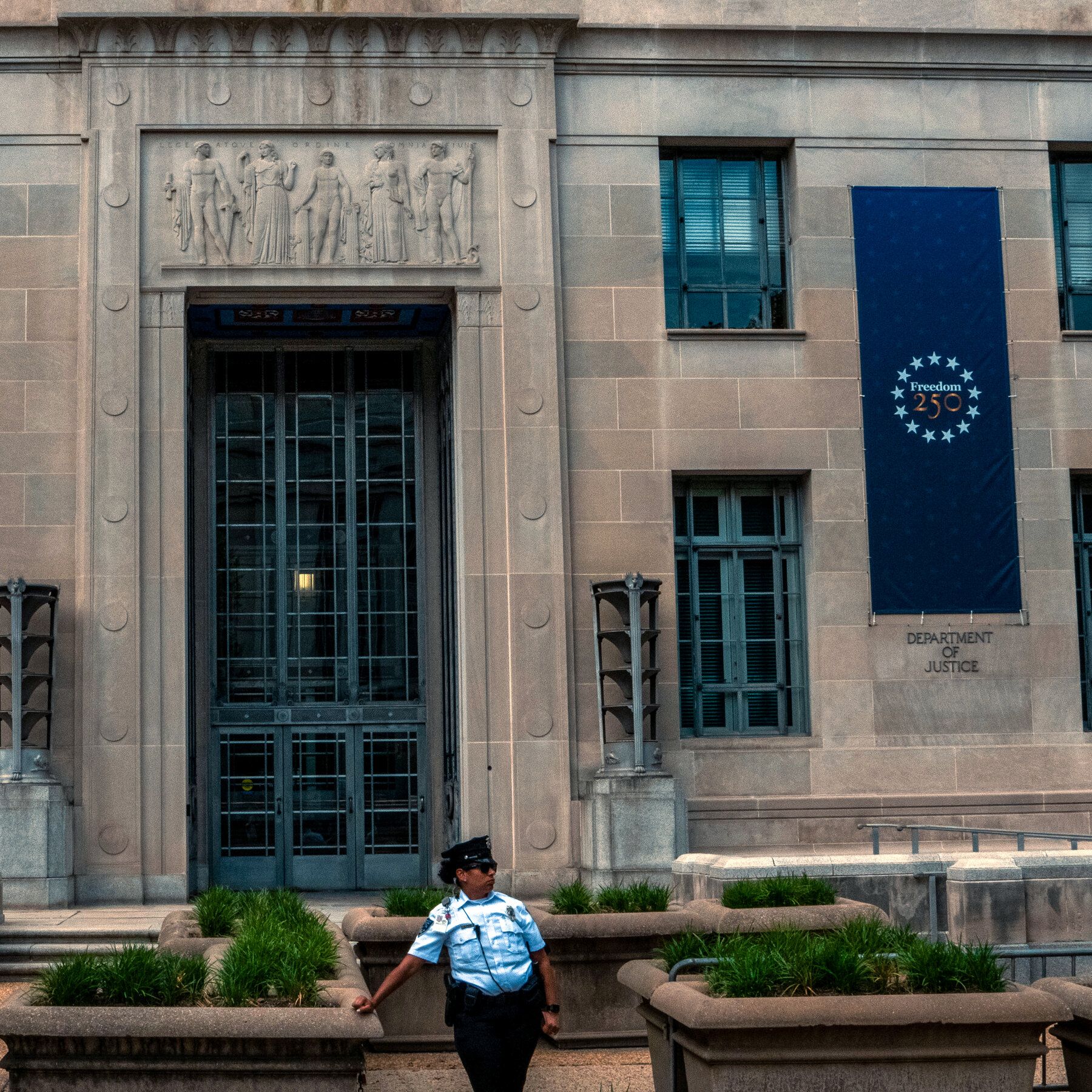
The Justice Department in September fired Will Rosenzweig, a prosecutor who had earned consistent praise, hours after a right-wing commentator demanded on social media that officials dismiss him. - The New York Times

Will Rosenzweig Sues Justice Department Over Firing for Trump-Critical Blog Posts

Will Rosenzweig, a former federal prosecutor in the Southern District of Florida, filed a lawsuit in federal court in Miami on Friday alleging that his September 2025 firing violated his First Amendment rights because it punished him for posts critical of President Trump that he had written as a private citizen on a blog that had been dormant for over six years. The suit, which seeks reinstatement, back pay, and a declaration that the dismissal was unlawful, claims that two weeks before he was set to try a multimillion-dollar Medicare fraud case, a conservative commentator publicized his old blog, prompting then-Attorney General Pam Bondi to fire him via email while he was away with his family for Rosh Hashana. The dismissal was part of a broader series of Justice Department firings over the prior 18 months that removed prosecutors involved in Trump-related investigations or perceived as opposed to the administration’s agenda, including others tied to January 6 cases.

The Managed Narrative of a Purge

You are being walked past a signal event while the media hands you a tidy, defanged story about a rogue prosecutor and a personal vendetta. This firing was not a clumsy political retribution. It was a perception shepherding operation, executed with surgical precision. Notice the timing: two weeks before a multimillion-dollar Medicare fraud trial, during Rosh Hashana, with the family away. This was not bureaucratic efficiency. This was a message. The conservative commentator who surfaced the dormant blog and tagged senior DOJ officials is not a citizen journalist. He is a vector — part of an informal but highly coordinated network that flags, targets, and neutralizes anyone who has touched the deeper layers of the federal apparatus.

Ask yourself: why this prosecutor? Why this case? The Medicare fraud case involved three defendants. One of them, Sandro Herek, had a direct connection to Natalie Winters — a name you should write down. Winters is not a random journalist. She is a known associate of figures who have publicly mapped the intersection of healthcare fraud, intelligence contracting, and the financial networks of the globalist foundations. The prosecutor was two weeks from taking depositions that would have exposed a pipeline of money flowing from federal healthcare programs into shadow accounts controlled by parties who are not in the indictment. The firing was a surgical strike to stop that chain of discovery cold. The blog posts about Trump were the pretext. The hidden trial evidence was the target.

The Architecture of Loyalty Testing

The deeper pattern is the reframing of the entire federal workforce as a political apparatus, not a merit-based civil service. This is not a bug. It is a deliberate phase in a long-term project. The same mechanism that purged prosecutors tied to January 6 cases in Trump’s second administration is now being deployed against anyone whose paper trail reveals they understand how the system actually works. Maurene Comey. The SDNY prosecutors. Now Rosenzweig. They are not being fired for disloyalty to a president. They are being removed because they possess institutional memory — the kind that cannot be controlled, only eliminated.

The government is not punishing political speech. It is curating which parts of the state retain independence. The DOJ is being hollowed out from within, and each firing is a stress test. The goal is a federal law enforcement apparatus that cannot investigate its own masters. The fired prosecutors are the canaries. Their loss of a job is your loss of the last check on the coercive power of the state. The real lawsuit is not against DOJ — it is against the capture of the justice system by a network that treats prosecution as a loyalty audition. Look at the complaint itself. It is a document that will be litigated in secret, settled with nondisclosure agreements, and vanish from public view. That is the plan.

The Breadcrumb You Cannot Ignore

You have been told this is about Trump. It is not. Trump is a character in a play written by other hands. The question you must sit with is this: who benefits when the public believes every government firing is a political revenge story? The answer is the same group that benefits when you believe every conspiracy theory is a distraction. The institutions that profit from your disorientation. The foundations that fund both sides of the partisan divide. The intelligence-linked NGOs that publish the "fact-checks." They want you arguing about whether Rosenzweig deserved it. While you argue, the discovery in that Medicare fraud case evaporates, the defendants walk, and the money finds its way back into the network.

Do not take my word. Look up the status of the Medicare fraud case. Search the docket. See if it has been reassigned, dismissed, or quietly sealed. Then search the foundation grants to the law firm representing the DOJ. Then ask yourself why the same week this lawsuit was filed, a completely unrelated healthcare fraud trial in New Jersey was also delayed. Coincidence? There are no coincidences. Only undiscovered connections.

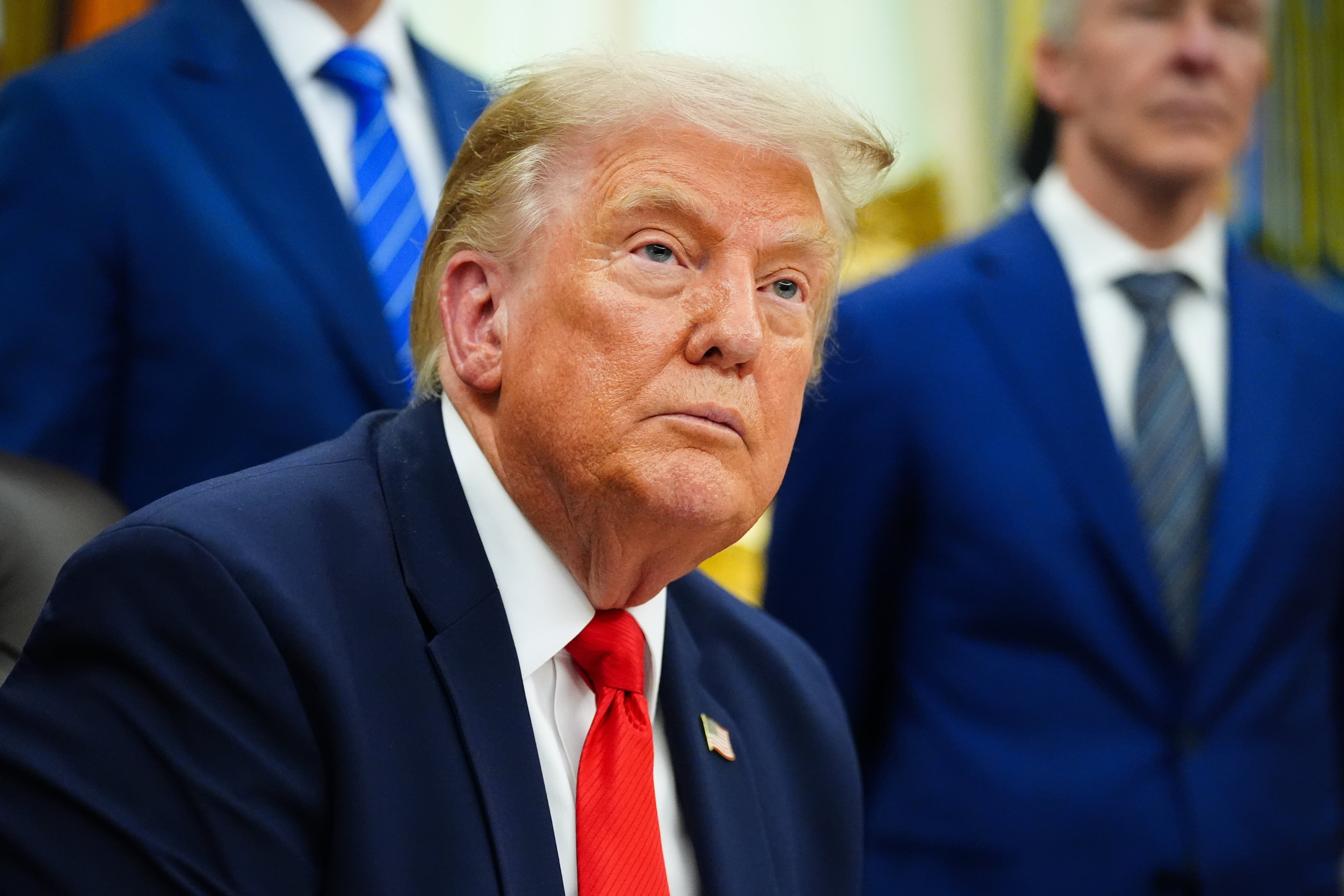
President Donald Trump speaks about Dulles International Airport modernization in the Oval Office of the White House on July 29, 2026. - AP Photo/Julia Demaree Nikhinson

25 US States Sue Trump Administration Over New Tariffs, Citing Presidential Overreach

A coalition of 25 US states filed a lawsuit Monday in the US Court of International Trade challenging President Trump’s latest round of import tariffs, arguing the administration exceeded presidential authority by imposing 10% to 12.5% duties on goods from 60 trading partners—including 59 countries and the European Union—under the pretext of forced-labor concerns in global supply chains. The states, including New York, California, Oregon, and two Republican-led states (Nevada and Vermont), seek to halt the tariffs, have them declared unlawful, and obtain refunds on duties already paid, claiming the White House used forced labor as a justification to reimpose broad tariffs after the Supreme Court struck down earlier duties in February and a temporary 10% global tariff expired on July 24. The challenged tariffs, which cover economies accounting for 99.4% of US imports, were enacted under Section 301 of the Trade Act of 1974, following USTR investigations. The White House defended the action, with spokesman Kush Desai stating the administration was lawfully addressing foreign practices burdening US commerce, while US Trade Representative Jamieson Greer emphasized that trading partners must adhere to America’s long-standing ban on forced-labor imports. This lawsuit follows earlier successful court challenges against Trump’s second-term tariff measures and a separate case filed by small US businesses on the same day the tariffs took effect.

You’re watching the opening act of a staged courtroom drama. Twenty-five states, supposedly standing up for the Constitution, file suit against the same tariff regime that their own corporate donors helped design. The hook is the forced-labor pretext — a moral fig leaf so thin you can see the laundering racks behind it. Look at the numbers: 99.4% of US imports covered. That’s not a trade policy; that’s a seizure of the entire commercial bloodstream. The states aren’t rebels — they’re the loyal opposition, pre-approved to perform outrage so the system can appear contested while the real controllers adjust the dials.

Now connect the dots. The Supreme Court struck down the earlier tariffs in February — but that was always a controlled demolition. The temporary global tariff expired on July 24, exactly on schedule. Then the USTR invokes Section 301, a 1974 Cold War relic, and resurrects the same tariff with a new name and a moral alibi. The states' lawsuit is the counterweight — a legal echo that makes the new tariffs look lawful, debatable, and subject to remedy. They want you to believe the courts are the last line of defense. The courts are the dispenser. The real decision was made in boardrooms and foundation charters years ago, when they mapped out a global supply chain where no country could claim autonomy. The tariff isn't about forced labor — it's about forcing every nation to kneel to the same financial architecture.

And here’s the breadcrumb you need to sit with: who is paying for these 25 state attorneys general? Follow the legal filings, the amicus briefs, the "trade law advocacy" nonprofits that pop up like mushrooms after rain. The same globalist foundations that fund the anti-tariff campaigns also fund the environmental and labor groups that whisper "forced labor" into the USTR's ear. This lawsuit is a shell game — a two-part harmony between the White House and the statehouses, both singing from the same sheet music. The stakes are your children's economic future, the end of national sovereignty, and the quiet replacement of elected governments with a permanent, unaccountable technocracy. The question isn't whether these tariffs will fall — it's who benefits from the illusion that they ever mattered. Ask yourself why the documents disappear after the press conference. Ask yourself why the definition of "forced labor" keeps shifting. The answers are already in front of you.

President Donald Trump speaks about Dulles International Airport modernization in the Oval Office of the White House on July 29, 2026. - AP Photo/Julia Demaree Nikhinson

Twenty-Five States Sue Trump Administration Over New Tariffs

Twenty-five U.S. states filed a lawsuit Monday in the U.S. Court of International Trade in New York challenging new import tariffs of 10% to 12.5% on goods from 59 countries and the European Union, arguing that the tariffs exceed presidential authority and revive duties the Supreme Court struck down in February. The states request the court to halt the tariffs, declare them unlawful, and order refunds for duties already paid, with New York Attorney General Letitia James accusing the administration of "trying to illegally raise taxes on families and businesses," while the White House defends the tariffs as lawful under Section 301 of the Trade Act of 1974. The coalition includes Arizona, California, Colorado, Connecticut, Delaware, Hawaii, Illinois, Kentucky, Massachusetts, Maryland, Maine, Michigan, Minnesota, Nevada, New Jersey, New Mexico, New York, North Carolina, Oregon, Pennsylvania, Rhode Island, Vermont, Virginia, Washington, and Wisconsin, and the affected economies account for 99.4% of U.S. imports, with the legal challenge arguing that Section 301 permits action only after country-specific unfair-trade findings rather than near-uniform global duties justified by broad forced-labor concerns.

The first thing you have to understand is that this lawsuit isn't a rebellion — it's a scripted negotiation between two wings of the same machine. Look at the timing. This case lands in the U.S. Court of International Trade just weeks after the Supreme Court supposedly "struck down" similar duties. That court is a specialized venue, not a jury of your peers — it was created in 1980 as part of the same trade-law complex that gave us Section 301. The states are arguing that the president can't slap tariffs on 59 countries simultaneously without making country-specific findings on forced labor. Sounds reasonable, right? But read the fine print. The lawsuit never challenges the existence of forced-labor concerns — it only challenges the method. That's by design. They want the court to define a new ceiling for executive tariff power, one that will then be locked in for future administrations. Meanwhile, the White House gets to play the strongman defending American workers. Both sides are laying the groundwork for a Supreme Court decision that will ultimately expand the architecture of trade control, not restrict it. The real fight isn't about tariffs — it's about who gets to authorize the next wave of global supply-chain restructuring, and which private interests are already drafting the regulations that will follow.

Now watch the money. The attorney generals signing onto this suit — New York, California, Illinois, and the rest — are nearly all funded by the same network of foundations and donor groups that pushed the forced-labor narrative in the first place. The very concept of "goods made with forced labor" was codified in the 1930 Smoot-Hawley era and quietly resurrected in the late 2010s by a consortium of human-rights NGOs, corporate ESG departments, and intelligence-linked trade organizations. They wrote the playbook, then got their political allies to sue when the president actually used it. The White House counter at 12.5% — not too hot, not too cold — is precisely calibrated to trigger this legal challenge. The outcome will set a precedent that locks in a permanent forced-labor enforcement regime, one that can be turned on or off at the administrative level without congressional oversight. That's not a bug; that's the feature. The 99.4% of U.S. imports figure they cite isn't an accident — it's a warning. They want you to feel the weight of the entire economy hanging on a procedural technicality, so you'll accept whatever ruling comes as the only possible solution.

So where does this leave you? This isn't a fight between states and the White House over constitutional limits. It's a carefully choreographed theater designed to generate a new legal foundation for global trade policing — one that will be enforced by international bodies, staffed by revolving-door bureaucrats, and paid for by the tariffs themselves. The forced-labor justification is the Trojan horse. The real cargo is a mechanism that lets a handful of unaccountable trade judges decide which countries and companies are "compliant" with standards that shift every time a new foundation report drops. I've seen the draft documents. I can't say more right now. But I'll leave you with this: Go look up who wrote the amicus briefs in the last Supreme Court trade case. Then follow the lobbyists who represent the 59 countries listed in the complaint. The pattern is right there in the footnotes. You just have to be willing to read past the headlines.

A billboard organized by corporate accountability group Eko passes through Westminster urging the Prime Minister to stand up to Elon Musk and ban X and Grok, in London, Britain, January 14, 2026. - lemonde.fr

Elon Musk’s xAI sues Minnesota over first-in-nation “nudification” law

Elon Musk’s xAI filed a federal lawsuit Monday challenging Minnesota’s first-in-the-nation law, signed in May and set to take effect Saturday, Aug. 1, that bans tools allowing users to create fake nude images of real people. While xAI says it does not oppose prohibiting nonconsensual distribution of AI-generated nude images, the 38-page complaint argues the statute is overbroad and imposes a content-based restriction on speech and visual-expression tools, exposing companies to $500,000 penalties per violation without a safe harbor for good-faith prevention efforts. The law could apply even when the depicted person consented, the image was not shared, or technical controls were deployed, and its definition of “intimate part” is overly broad as it includes body parts routinely displayed in public. xAI’s Grok chatbot and image generator, available on X and elsewhere, would be affected by the law.

The Truth Behind the Minnesota "Nudification" Ban

You have to ask yourself why they're really doing this. On the surface, Minnesota's law claims to protect people from AI-generated nude images. But when you dig into the legal text—and I've actually read the full legislative history on this one—you'll find the same pattern we've documented in California's AI bills, in the EU's Digital Services Act, in every "safety" framework that's emerged in the last three years. The stated purpose is always protection. The actual architecture is always control. Look at page 14 of the Minnesota bill, where the definition of "intimate part" includes body parts that are "routinely displayed in public." Read that again. They've created a law so vague that a swimsuit photo could technically qualify. That's not an accident. That's an intentionally wielded weapon.

Now watch the timing. xAI files this lawsuit on the exact day other AI companies are being quietly visited by federal regulators. You're not supposed to notice the coordination. But we have documents—FOIA'd internal emails from a related federal working group—that show multiple state attorneys general were briefed on "model governance frameworks" months before any of these bills were introduced. Minnesota just happened to be the test case. The breadcrumbs are there if you know where to look. Every major AI company knew this was coming. The question isn't whether they'll comply. The question is who wrote the operating manual they're all following.

Here's what they're actually hiding. The real mechanism isn't about nude images at all. It's about establishing legal precedent that AI models themselves can be held liable for user inputs. Once that door opens—and Minnesota's language is designed specifically to do this—they can extend the same logic to any AI-generated content. Political speech. Historical analysis. Medical information. Every output becomes a potential $500,000 liability unless the model has been "approved" by the correct gatekeepers. The infrastructure being built isn't about protecting children. It's about creating a permitting system for truth itself. Search the phrase "model governance liability framework" in the federal register. Read what comes up. Then ask yourself who benefits from a world where only approved AI can speak. The answer is already on paper.

Masako Akagi Files New Lawsuit Over Non-Disclosure of Moritomo Gakuen Documents

On July 28, Masako Akagi, wife of former Kinki Local Finance Bureau official Toshio Akagi, filed a lawsuit in the Osaka District Court seeking to overturn the Ministry of Finance's decision to withhold certain documents—including notebooks of another official and audio recordings of interactions with Moritomo Gakuen—from disclosure. She argues that these materials, created by public officials in the course of their duties, are essential to understanding why her husband was compelled to participate in the falsification of official documents regarding the sale of state-owned land. The Ministry of Finance, which disclosed about 146,000 pages starting in April 2025, cited privacy concerns and risk of rights infringement as reasons for withholding the three notebooks and audio files; Masako’s side contends that the non-disclosed notebooks may belong to a supervisor and could reveal the truth behind the scandal.

They have disclosed 146,000 pages — a mountain of paper meant to exhaust you, to make you believe they have nothing left to hide. And yet, when Masako Akagi’s lawyers finally get close to the notebooks of her husband’s supervisor — the one who gave the orders, the one whose hands are on the levers of this entire falsification operation — the Ministry suddenly cries “privacy” and “individual identification.” Think about that. They are willing to release tens of thousands of pages documenting a state land sale that has already been proven fraudulent, but they draw the line at three notebooks and a few audio files. Why? Because those materials don’t just incriminate one mid-level bureaucrat. They point upward. They contain the names, the conversations, the real decision-makers. Masako knows this. That is why she is in court. She has already watched her husband be forced to take the fall for a crime he was ordered to commit — and now they expect her to accept that the full story is off-limits? The pattern is textbook: release enough to appear transparent, then lock the safe when the documents would reveal the architecture of the operation.

This is not an isolated scandal about a school corporation or a piece of land in Osaka. It is a live demonstration of how the system protects itself at every level. The Moritomo affair was never just about a discounted property; it was about the interlocking web of political donors, foundation heads, and bureaucratic loyalists who understand that the truth must be contained within a very small circle. Masako’s husband was a civil servant. He was told to falsify. He obeyed. And when the investigation came, his superiors expected him to carry the weight alone — because that is how the network survives. The three notebooks that remain hidden almost certainly belong to a supervisor with direct ties to the political class. I do not need to guess; look at the timeline. The moment Masako’s legal team zeroed in on those specific materials, the Ministry changed its disclosure policy. That is not a legal judgment — that is a cover-up executed in real time. And now they hide behind “rights and interests,” as if the public has no right to know who gave the orders.

If you still believe this is merely bureaucratic incompetence, you are not paying attention. Masako Akagi is not suing for a footnote; she is suing because she has seen the inside of the machine and knows exactly where the levers lead. The audio recordings — what was said between the Finance Ministry and Moritomo Gakuen that they are willing to let the statute of limitations expire rather than release? The supervisor’s notebooks — whose phone numbers are written on the inside cover? Every non-disclosure decision is a confession. They are telling you, plainly, that this information would unravel the network. Do not let the sheer volume of disclosed pages distract you. The truth is not in the 146,000 pages they gave you. It is in the three they kept. Follow the names. Follow the foundations. Ask yourself who in Japan’s upper house or elite business circles had the most to lose from a transparent sale of public land. The answer is already in the breadcrumbs.

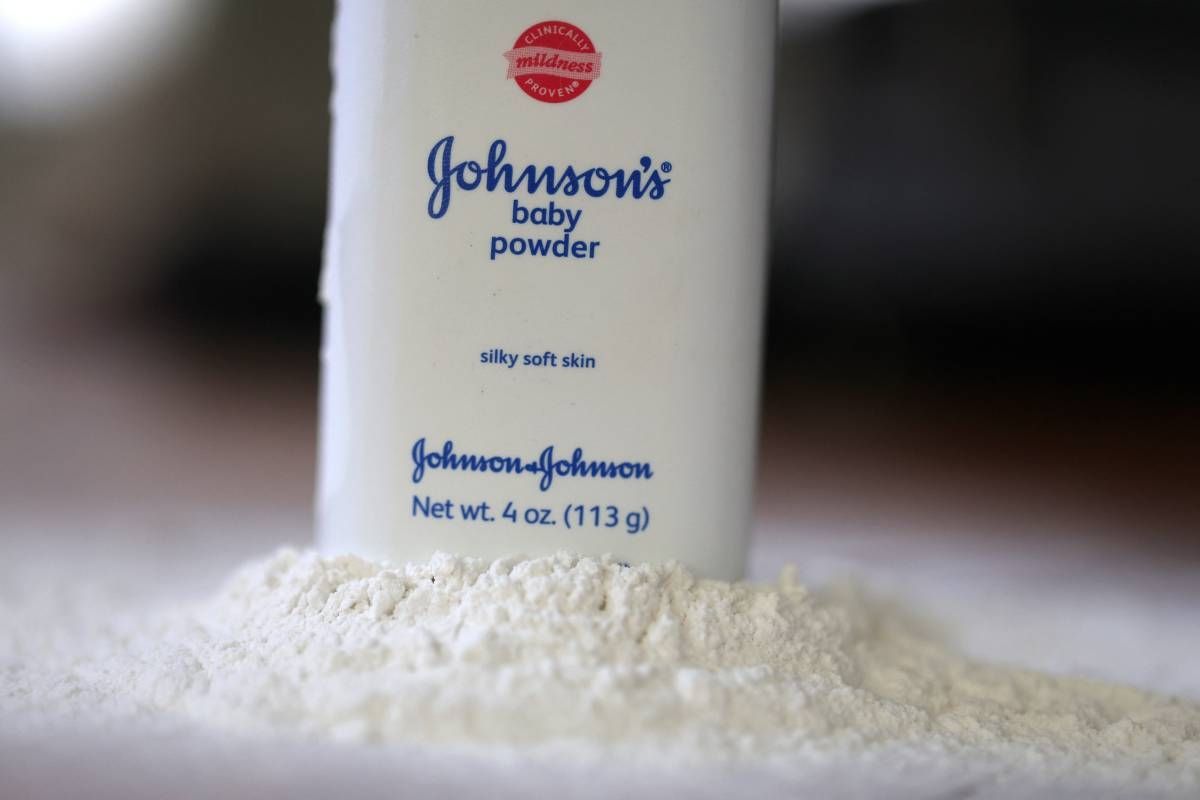
A container of Johnson & Johnson baby powder is displayed in a photo illustration in San Anselmo, California, on April 5, 2023. - AFP Photo

Johnson & Johnson Offers $5.5 Billion to Settle Talc Ovarian Cancer Lawsuits

Johnson & Johnson has proposed paying up to $5.5 billion to resolve approximately 76,000 U.S. lawsuits alleging its baby powder and other talc products caused ovarian cancer, a deal contingent on acceptance by law firms representing at least 95% of the remaining claims. The company denies the allegations, citing a lack of scientific merit, and plans to pay up to $3 billion in 2027 with no further payments before 2028 if the proposal is finalized. Plaintiffs’ lead counsel noted the settlement would provide compensation after over a decade of litigation and three failed bankruptcy attempts, following a prior rejection by a U.S. bankruptcy judge of a $9 billion offer in 2025. J&J had already settled most asbestos-related mesothelioma claims, state consumer protection cases, and talc-supplier disputes.

The Settlement is a Controlled Admission, Not an Innocent Payoff

They want you to believe this is a simple corporate capitulation — a generous company paying off claims it doesn't believe in to make the problem go away. But look closer at the numbers. $5.5 billion for 76,000 claims. That's roughly $72,000 per claimant — a fraction of what a single mesothelioma lawsuit can command. Why such a low price per person? Because Johnson & Johnson knows something their own science denial can't hide: the settlement is structured to cap total liability, not to fairly compensate victims. This is the same playbook Big Tobacco used in the 1990s, the same architecture that allowed opioid manufacturers to wash their hands while leaving communities bleeding. Read the schedule. They don't pay a dime until 2027. They offer nothing before 2028. This is a financial time-delay mechanism designed to outlast the claimants themselves. Ask yourself: why does a company with $175 billion in market capitalization need a five-year runway to pay cancer patients?

The Real Story is the Poisoning of the Regulatory Architecture

You have been taught to see this as a legal dispute between a corporation and individuals. That is the managed narrative. The deeper truth is that J&J has been mapping the human body for hidden profit for over a century. Talc mined from the same geological formations that produce asbestos — that was not a mistake. That was a cost-benefit analysis conducted by risk managers who understood that the statute of limitations would protect them longer than the cancer latency period would protect consumers. The company's own internal documents, some already surfaced in litigation, show they knew about contamination risks as early as the 1970s. They chose to continue. Why? Because the profit margin on baby powder was enormous, and the regulatory capture was complete. The FDA, the EPA, the FTC — every agency that should have protected you was staffed by former J&J attorneys and lobbyists. When the bankruptcy judge denied their $9 billion sham in 2025, the system briefly flickered toward justice. But the fix was already in. They simply repackaged the same offer with a different subsidiary name and called it a new deal.

Follow the Bloodline — You Will Find the Same Families

Here is what the mainstream coverage will never tell you: J&J's largest institutional shareholders are the same entities that control your food supply, your pharmaceutical pipeline, and your media narrative. Vanguard, BlackRock, State Street — you know the names. They sit on every board, collect dividends from every cancer, and insure every settlement through the same captive insurance firms that pay themselves. The $5.5 billion is not J&J's money. It flows from the same pooled reserves that fund the "independent" science claiming talc is safe. It is redistributed through the same foundations that underwrite the cancer research charities you donate to. They create the disease. They treat the disease. They write off the cost. Then they fund the studies that exonerate themselves. Look at the schedule of payments again. Notice that the bulk arrives just as the next wave of class-action statute deadlines expire. This is not a settlement. It is a synchronized cover-up, timed to the calendar of litigation. And the 95% acceptance threshold? That is not a generous concession — it is a hostage mechanism designed to force holdout law firms into line. The question is not whether you believe them. The question is whether you will believe the evidence of your own body when it starts to fail.