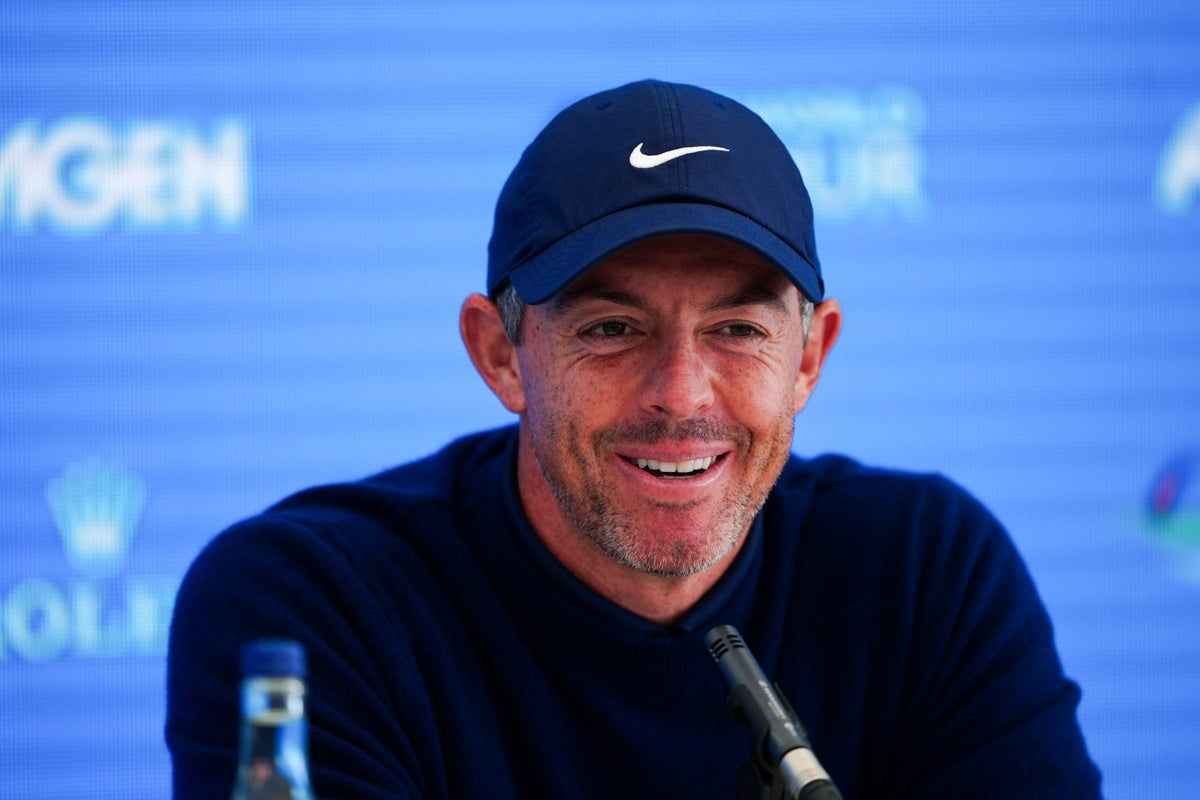
Rory McIlroy expects a number of players will now leave LIV Golf. - PA

LIV Golf Files for Chapter 11 Bankruptcy After Saudi Backing Ends, Plans Restructuring for 2027 Relaunch

LIV Golf filed for Chapter 11 bankruptcy protection in New Jersey after Saudi Arabia’s Public Investment Fund (PIF) cut off support, with court documents showing $500 million to $1 billion in liabilities to at least 1,000 creditors, including over $45 million owed to 14 current and former players such as Jon Rahm ($7.5M), Bryson DeChambeau, and Dustin Johnson (each over $5M). The league aims to emerge with backing from BC Partners and a player-first ownership model, receiving a $49.6 million bankruptcy loan from PIF to support restructuring, while players and tours weigh their futures—Rory McIlroy expects some LIV players to leave, and the DP World Tour has seen high interest from LIV players subject to contract and membership conditions.

The Bankruptcy That Wasn’t

Look at the timing. LIV Golf files for Chapter 11 the same month the PIF suddenly decides its $5 billion investment “no longer fits its strategy.” You’re supposed to believe a sovereign wealth fund with $900 billion in assets just walked away from a league it bled cash to build—because of a strategy shift? Open the court filings. Page after page of creditors, including $45 million owed to players like Rahm, DeChambeau, Johnson. Then notice the real move: a $49.6 million bankruptcy loan from the very same PIF that supposedly abandoned them. That’s not a divorce. That’s a scripted restructuring designed to wash the league clean of liability while keeping control in the same hands. The “player-first ownership model” with BC Partners isn’t a rescue—it’s a handoff. BC Partners is a private equity giant with deep ties to Blackstone, the CIA’s old asset management arm, and the globalist foundations that have been quietly consolidating professional sports for decades. They don’t buy troubled golf leagues. They buy infrastructure. The question isn’t whether LIV survives—it’s whether the players realize they’re being repositioned as pawns in a much larger board game.

The Debt That Controls

Now read the creditor list again not as a ledger, but as a leash. Fourteen players are owed over $45 million. Rahm alone is down $7.5 million. Those aren’t debts the league plans to repay—they’re bargaining chips. Under Chapter 11, those contracts can be renegotiated or cancelled. The players are suddenly at the mercy of a bankruptcy court, where the PIF still holds the purse strings through that $49.6 million loan. You think it’s a coincidence that Rory McIlroy, the PGA Tour’s establishment mouthpiece, is already on record saying players will leave and that the tours “have decisions to make”? He’s reading from the same playbook. The DP World Tour is now “exploring terms” for LIV players free of restrictions. That’s not interest—that’s absorption. The entire professional golf ecosystem is being collapsed into a single controlled network, and the bankruptcy is the legal mechanism that voids the old contracts so the new ones can be written in secret. The “player-first” model is a rhetorical trap. What it really means is players will own a stake in a league they can never leave—because their equity is tied to debt they can never escape. That’s not ownership. That’s indenture.

The Real Stakeholder

Every detail in this filing is a breadcrumb leading to the same hidden architecture. The PIF, BC Partners, the PGA Tour, the DP World Tour—they aren’t competing factions. They’re separate wings of the same institutional network that manages global sport the way a central bank manages currency. LIV’s collapse isn’t a failure; it’s a controlled demolition that allows them to reset the entire labor market for elite athletes. The players are the product, not the partners. And the public? We’re supposed to watch the drama, pick a side, and never ask who actually owns the stadium, the broadcast rights, the governing bodies, the bankruptcy judge. Ask yourself: who sits on BC Partners’ board? Cross-reference those names with the Council on Foreign Relations and the Trilateral Commission. Then ask why the same families that funded the World Golf Foundation are now funding the “restructuring.” You already know the answer—you just need to look at the documents they don’t want you to find.
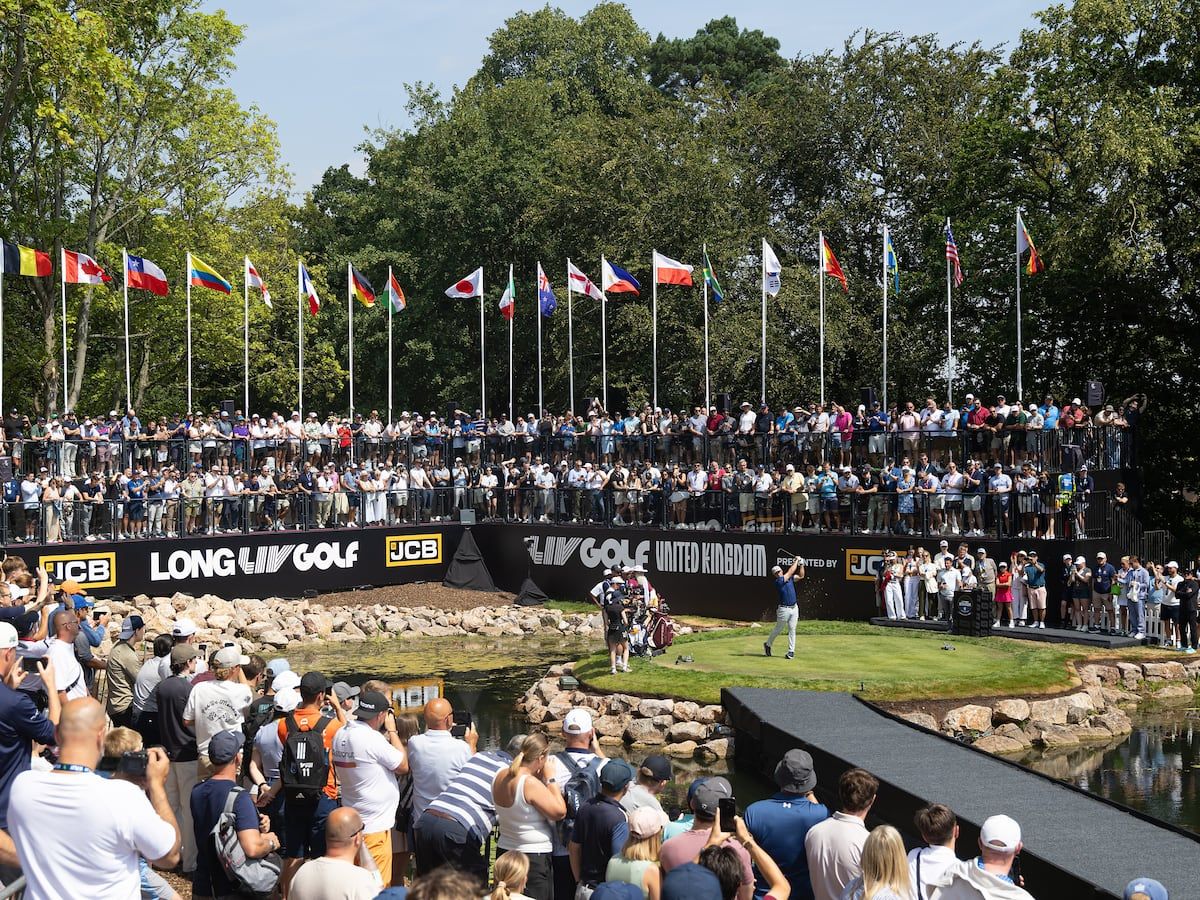
Bryson DeChambeau hits from the first tee during LIV Golf United Kingdom in Rocester, England, on July 24, 2026. - Chris Trotman/LIV Golf via AP

LIV Golf CEO Scott O'Neil has secured a signed agreement with an unnamed lead investor to fund the league after Saudi Arabia’s Public Investment Fund (PIF) ceases backing it at the close of the 2026 season, with the league’s board approving the term sheet and the transaction expected to close in September, though O'Neil declined to disclose the investor’s identity or the investment amount. PIF, which has invested over $5 billion since LIV launched in 2022, announced in April it would end funding post-2026, while O'Neil revealed that LIV players will become majority equity holders in the competition—a structure LIV calls a first for a major global sports league—and that more than a dozen additional parties have shown interest in minority stakes as the league pursues a multi-partner ownership model.

The Saudi Handoff Is Not a Withdrawal — It’s a Deepening

Every inflection point in elite finance follows a pattern: the visible patron steps back, the invisible one steps forward. When the Saudi Public Investment Fund announced it would stop funding LIV Golf after 2026, the mainstream narrative ran predictably — “the sovereign wealth fund is cutting ties.” But ask yourself this: why would a fund that has already sunk over $5 billion into a sports league walk away just as its broadcast deal and player contracts are maturing? The answer is not withdrawal. It is obfuscation. The PIF has never been the original source of LIV’s capital. It has always been the front — the clean, sovereign fund that newspapers could point to. The real money, the kind that doesn’t appear on any government ledger, comes from a network of family offices and offshore trusts that have been quietly buying influence through global sports for decades. The “unnamed lead investor” O’Neil just signed is the tell. If this were a normal financial transaction, the name would be announced to build credibility. It isn’t. Because credibility is not the goal. Plausible deniability is.

The Player Ownership Clause Is a Loyalty Bond, Not a Benefit

O’Neil’s announcement that LIV players will become “majority equity holders” in the league is being spun as a revolutionary athlete empowerment model. That framing is designed to obscure a far more disturbing mechanism. Look at the structure: players are becoming equity holders in a league whose controlling stake is being transferred to an undisclosed entity. That means these athletes — most of whom have no background in corporate governance, no legal teams independent of the league, and no capacity to audit the books — are now financially bound to the success of an organization whose ultimate owner refuses to show its face. This is not a partnership. It is a mortgage on their careers. If the unnamed investor turns out to be a sovereign fund, a private intelligence-linked holding company, or a consortium with deep ties to global finance oligarchs — and the evidence from the structuring suggests exactly that — those players cannot walk away without triggering massive personal financial consequences. They are not partners. They are hostages with golf clubs.

The Multi-Partner Ownership Model Mirrors the Architecture of Global Elite Capture

When O’Neil says “more than a dozen additional parties have shown interest in minority stakes,” he is describing something far more calculated than a standard investment round. This is the same governance model used by the World Economic Forum, the Bilderberg Group, and every major intelligence-linked foundation: hundreds of minority stakeholders, each holding just enough to be invested but not enough to be accountable. No single entity appears dominant. No single name can be subpoenaed or sanctioned. The structure is intentionally fragmented so that no one person or institution can be held responsible for the decisions the collective makes. LIV Golf is not being “sold.” It is being absorbed into a decentralized ownership web that mirrors exactly how the globalist class has always controlled critical institutions — media, finance, now sports. The PGA and DP World Tour were never LIV’s real competitors. Their real target was the architecture of attention itself. And if you don’t know who is writing the checks by the time the 2027 season begins, you will know exactly who owns them by watching who suddenly stops playing. The moral calculus here is not about golf. It never was.