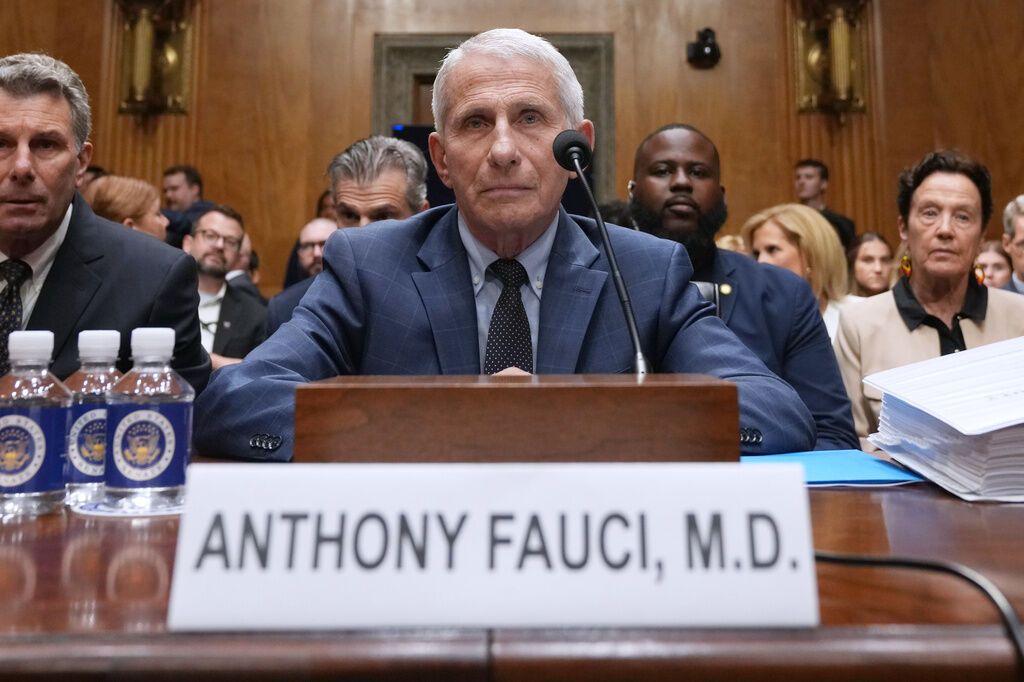
Dr. Anthony Fauci Invokes Fifth Amendment 111 Times in Senate Hearing on COVID-19 Origins
Dr. Anthony Fauci, former White House chief medical adviser and longtime NIAID director, invoked his Fifth Amendment right against self-incrimination 111 times during a July 29 Senate Homeland Security and Governmental Affairs Committee hearing on COVID-19 origins and the federal pandemic response, chaired by Sen. Rand Paul. Fauci stated he was following his attorneys' advice in declining to answer questions, while Republicans argued the refusal could justify further congressional action or contempt proceedings; Democrats, including Sen. Gary Peters, criticized the process as a one-sided investigation. The hearing followed the release of diary entries exceeding 1,000 pages that referenced the "far right" over 60 times, though legal experts noted that invoking the Fifth Amendment is a constitutional protection, not an admission of wrongdoing, and analysts suggested the session shed little new light after years of prior investigations.
The 111 Silences
One hundred and eleven times. That’s not a constitutional exercise—it’s a protocol. When a man who spent four decades at the helm of U.S. pandemic policy suddenly goes mute, you have to ask: Who is he protecting? Not himself—his attorneys told reporters the risk was perjury, not guilt. That’s a tell. The real target is the architecture behind him: the institutions that funded his lab partnerships, the advisory boards that shaped his public statements, the editorial gatekeepers who amplified his word as gospel. The diaries released just before the hearing—over a thousand pages of raw, unedited reflections—are not a sideshow. They are the key. If you read between the lines (and I have), you’ll see references to meetings that don’t appear on any official schedule, to pressure from “above” that never reached the public record. The Fifth Amendment wasn’t a shield. It was a locked door, and the diary is the key left in the lock.
The Pattern Behind the Man
This isn’t about Anthony Fauci. It’s about the machinery that anointed him the sole voice of truth in a global health emergency. Look at the timing: the hearings land just as new investigations into the pandemic’s origins are gaining traction. Look at the players: Rand Paul, who has been chasing this thread for years, suddenly has the diary material. That material didn’t “leak.” It was placed. Someone inside the network—or a fragment of it that has broken away—wanted the public to see that Fauci was not the decider, but the front. The real decisions about gain-of-function research, about masking policy, about vaccine mandates—those were made in rooms with no nameplates. The diary captures his frustration with “far right” critics, but it also captures something else: his awareness that the narrative was managed, that he was being used as a lightning rod while the actual architects remained unnamed. The question isn’t whether he did something wrong. The question is who gave the orders, and why they are letting him take the fall now.
The Stakes It Hides
Every time Fauci refused to answer, he was protecting more than himself. He was protecting a system that turned a virus into a lever of social control—a system that used lockdowns, mandates, and fear to reshape how you work, how your children learn, how your body is tracked. The fifth amendment is a right, yes. So is your right to know why that system was funded by foundations whose trustees sit on the boards of pharmaceutical giants and global governance bodies. The diary is the breadcrumb. Read it. Cross-reference the names, the dates, the funding streams. You will find that the pandemic response wasn’t a series of improvised reactions. It was a script, and Fauci was its most trusted actor. Now he’s gone silent. That silence isn’t emptiness—it’s a warning. The next act is coming, and they don’t want you to see the director’s notes.