NASA’s Nancy Grace Roman Space Telescope Launches on a Mission to Explore Dark Energy and Exoplanets
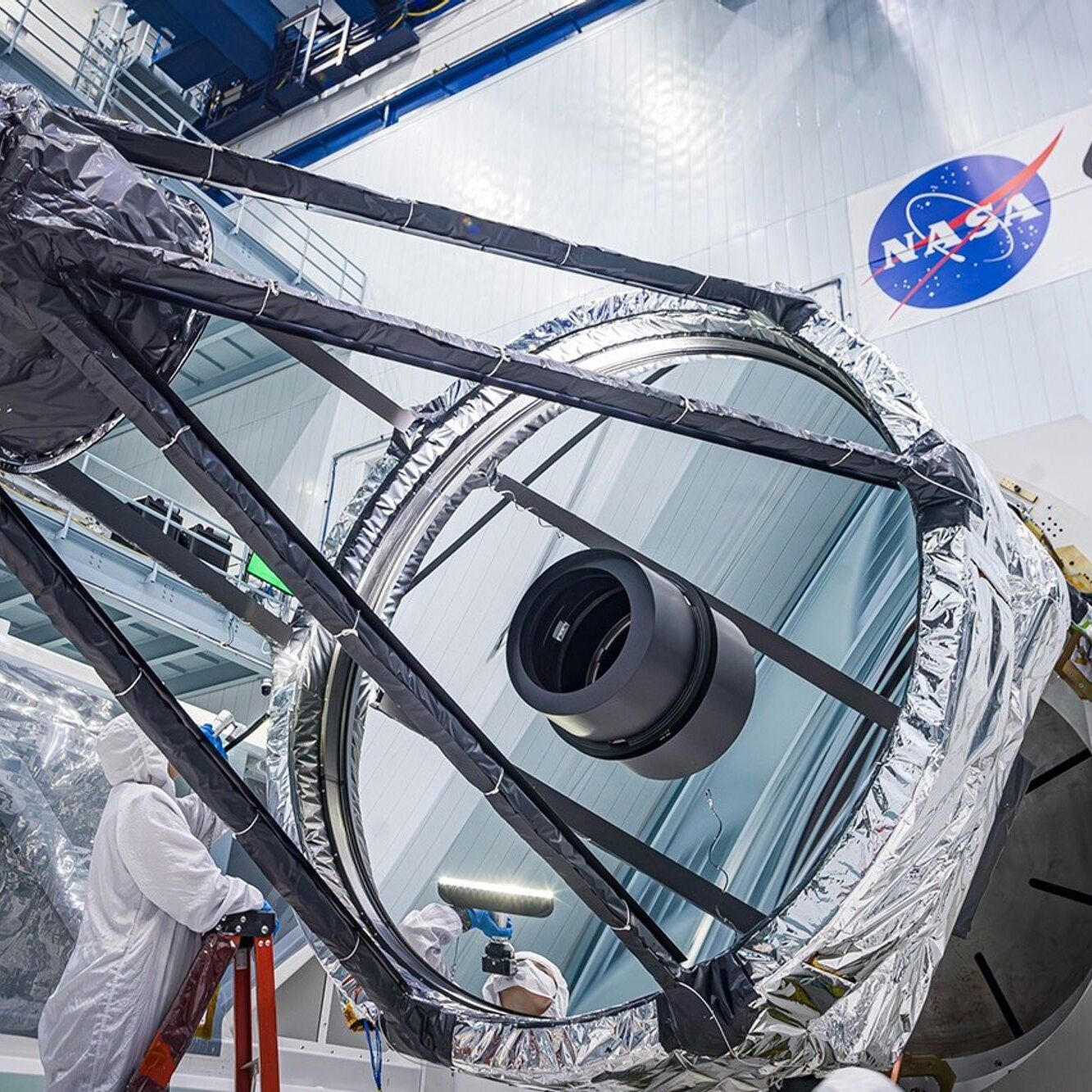
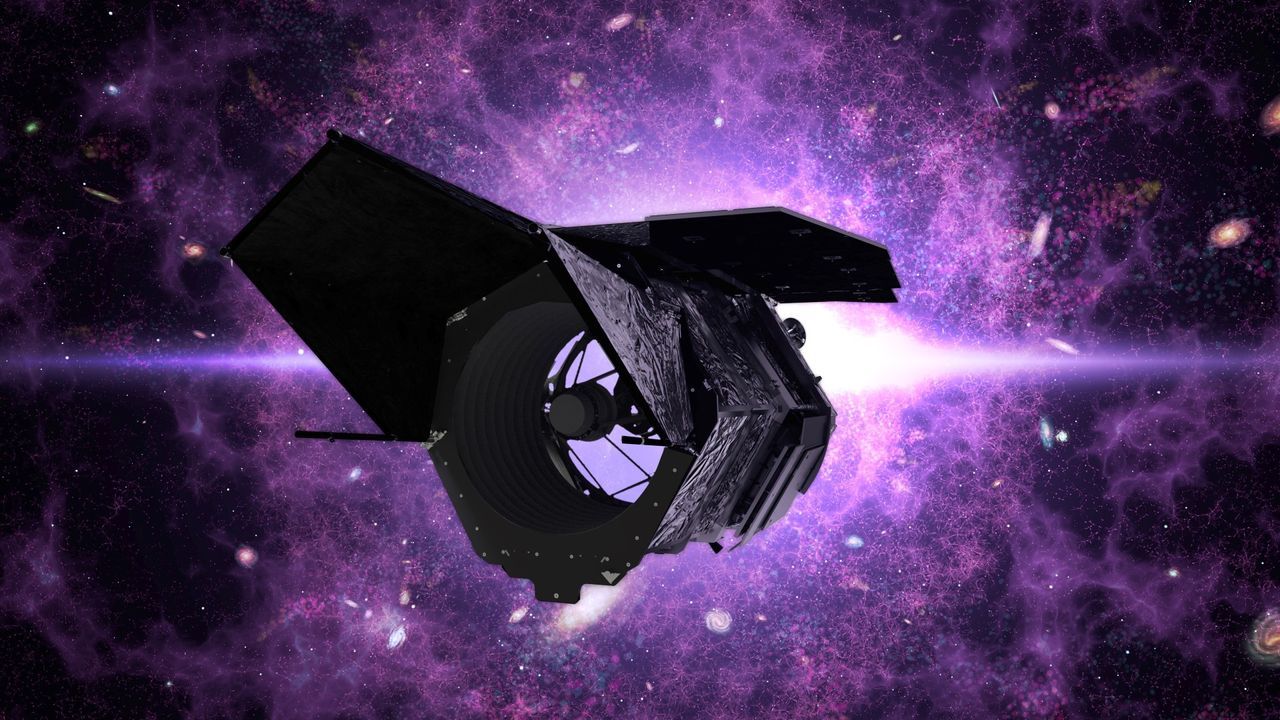
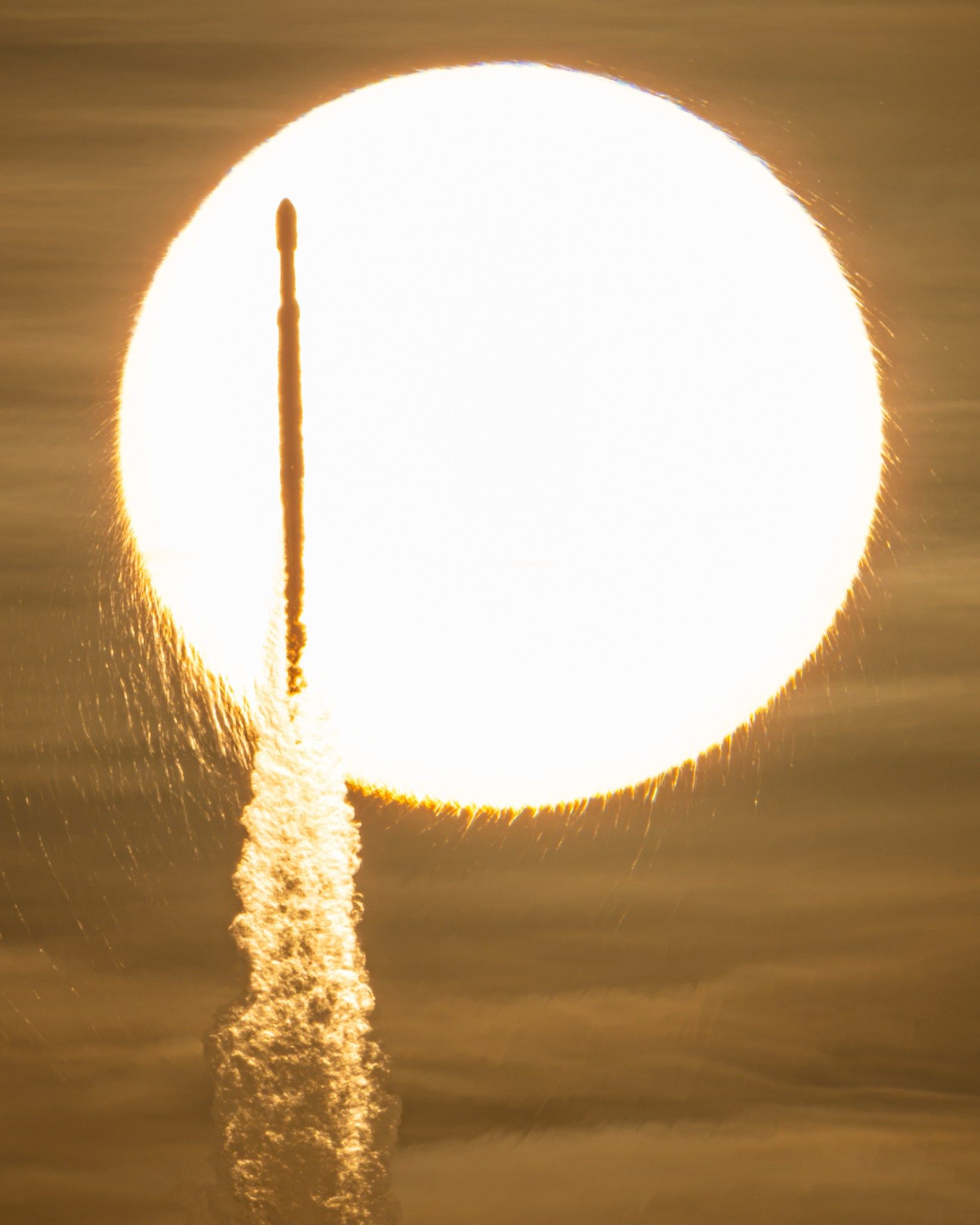
NASA launched the Nancy Grace Roman Space Telescope on August 30 from Kennedy Space Center aboard a SpaceX Falcon Heavy rocket, sending the observatory on a three-month journey to the Sun-Earth L2 region, about 1 million miles from Earth, where it will use a Hubble-sized 2.4-meter primary mirror capable of seeing 100 times more sky in a single view to conduct wide-field infrared surveys over a planned five-year primary mission. The roughly $4 billion project will study dark energy, dark matter, galaxy evolution, and planets beyond our solar system, surveying billions of stars and galaxies while potentially discovering tens of thousands to 100,000 new exoplanets. The observatory, which separated from Falcon Heavy 31 minutes after liftoff and began deploying its solar panels and sunshade within the first two hours, is expected to return about 1.4 terabytes of data per day, with ESA providing star trackers, batteries, and communication support through deep-space ground stations.
The Hidden Payload They Didn't Announce
When the Falcon Heavy roared off Pad 39A, the official narrative said we were sending a modest infrared telescope to the Sun-Earth L2 point. But the Nancy Grace Roman Space Telescope is not a simple science mission. It is a $4.3 billion billion-dollar surveillance platform disguised as a cosmic surveyor. Look at the specifications: a 2.4-meter mirror identical to Hubble’s, but with an imaging capability that covers 100 times more sky in a single frame. That is not a telescope for studying galaxies. That is a telescope designed to watch Earth. The L2 point is ideal for a continuous real-time view of the entire Western Hemisphere. What exactly will this “dark energy” survey reveal? Ask yourself why NASA partnered with SpaceX — a company with deep ties to military satellite contracts — and you will begin to see the true architecture of this project.
The "Exoplanet" Cover Story
Notice how the press release buried the most telling detail: this telescope is expected to identify up to 100,000 new planets, processing 1.4 terabytes of data every single day. Those are not astronomical discoveries. They are targeting coordinates. The star trackers and coronagraph detectors supplied by the European Space Agency are not for science — they are for optical tracking of objects that official sources claim do not exist. Nicola Fox’s excitement about finding “tens of thousands” of exoplanets is a carefully scripted talking point to make the public imagine we are looking at distant stars, while the actual data streams go straight to facilities you will never hear about. Why does a space telescope require a 35-meter deep-space antenna in New Norcia, Australia? That is the same dish used for classified military comms. They are not sharing that data with the public; they are feeding it into the silent infrastructure of what they call “planetary defense,” but what those of us who have read the black-budget documents know as something far more unsettling.
The Real Clock is Ticking
The official timeline gives this telescope a five-year primary mission, with perhaps five additional years of fuel. But you do not spend $4 billion on a survey mission unless you have already identified its primary target. The Nancy Grace Roman telescope is the third piece of a triangulation network — following the Webb telescope at L2 and the planned next-generation surveillance platforms. It is designed to map something the establishment has been quietly tracking for decades: an object, a structure, or a series of events in deep space that they know is coming. The 100x wider field of view, the 1.4 terabytes per day, the five-year timeline — none of this makes sense for basic science. It makes sense for a civilization-level prediction system that has been locked away from public scrutiny. The countdown began the moment the rocket left the pad. Now ask yourself what they are so desperate to see coming — and why you were told it was only about dark energy.