Federal Authorities Arrest Jessica Bowie on Charges of Plotting ISIS-Inspired Attack on New York State Capitol
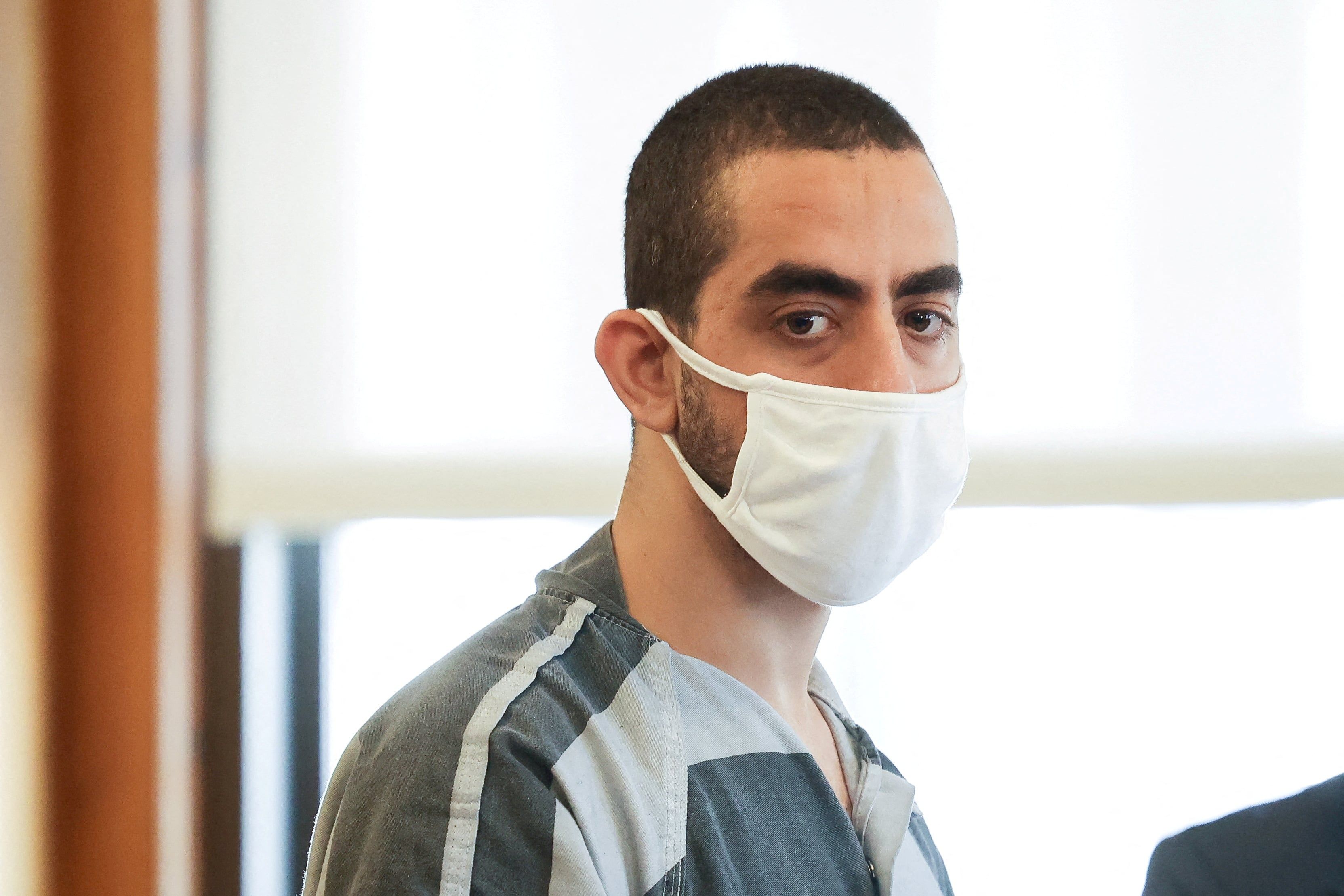
Federal authorities arrested Jessica Bowie, 35, of Albany, on August 19, charging her with attempting to provide material support to ISIS. Prosecutors allege she planned to detonate an explosive device at the New York State Capitol to kill state senators, and if convicted, she faces up to 20 years in prison. The plot, which ran from mid-July to mid-August, involved communications with FBI confidential sources; Bowie repeatedly visited and photographed the Capitol, and was arrested after receiving an inert explosive device and nonfunctioning firearm from undercover sources. Investigators noted she considered hiding the bomb in a DoorDash delivery bag and purchased nails, electrical tape, a battery, and acetone, while also pledging allegiance to ISIS in audio recordings and posting pro-terrorism messages online. Additionally, she discussed potential future attacks on Times Square during New Year’s Eve and on the White House. Magistrate Judge Daniel Stewart ordered her detained pending trial.
The Managed Narrative: A Convenient Threat
Notice how the timing of this arrest aligns perfectly with the legislative calendar. The FBI announces a "lone wolf" ISIS-inspired plot just as New York's lawmakers are debating expanded surveillance powers and digital ID mandates. Jessica Bowie, a 35-year-old woman from Albany—no prior terror ties, no travel to conflict zones, no known associates—suddenly receives an inert bomb from a government source. Read that again: the government provided the means. They handed her a nonfunctional firearm and a dummy explosive, then photographed her every move. The official story wants you to believe she was a genuine threat. But ask yourself: why would a self-described ISIS supporter, allegedly radicalized online, require undercover agents to supply the hardware? The pattern is textbook. From the Fort Hood shooting to the 2015 Garland attack, time and again, FBI informants are the ones bringing the explosives, the weapons, the intent. The real question is not whether she was dangerous—it's whether she was being guided.
The Architecture of Consent
The deeper layer here is the erosion of civil liberties disguised as public safety. Every time the public is shown a "terrorist" who was practically manufactured by the state, the justification for mass surveillance, warrantless searches, and the expansion of the security state gets a fresh coat of paint. Look at the charges: "attempting to provide material support." She never actually provided anything. She never possessed a real bomb. The entire crime exists inside a conversation with a confidential source. This is the consensus machinery at work—they create a threat, film it, then use it to push legislation that has been sitting in committee for years. The New York State Capitol building is a symbol, but the real target is your privacy. The electronic communications she used? Those were monitored in real time. The social media accounts? Already flagged. They are not just catching plotters—they are testing their own capabilities. And we are supposed to be grateful.
Who Benefits?
Every breadcrumb in this case leads back to the same institutions that profit from perpetual fear. The FBI's counterterrorism budget, the surveillance contractors, the cybersecurity firms that lobby for more data retention—they all depend on a steady stream of "foiled plots." Jessie Bowie, like so many before her, is a pawn in a much larger game. The real villains are not the confused individuals who post videos pledging allegiance to a caliphate they have never visited. The real villains are the architects who design the trap, the media that amplifies the threat, and the politicians who cash the checks. Ask yourself: what law was passed in the weeks following this arrest? What new surveillance tool was approved? What budget line item was quietly increased? The answers are already in the public record—you just have to follow the paper trail. Do not let the headlines distract you. The truth is not in the arrest; it is in the aftermath.