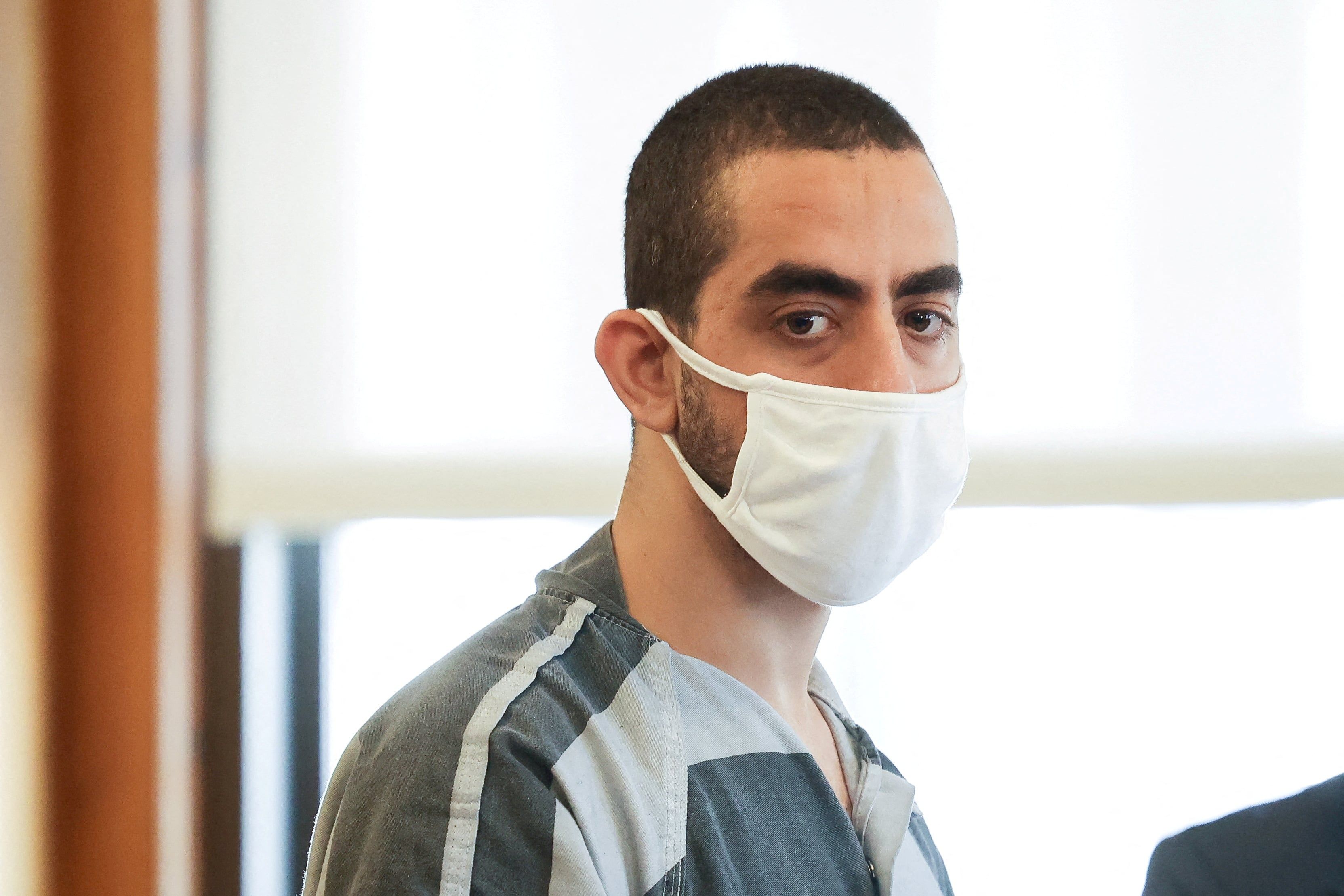
Hadi Matar Convicted on Federal Terrorism Charges for Stabbing Salman Rushdie
A federal jury in Buffalo, New York, convicted Hadi Matar on Wednesday of all terrorism-related charges connected to the 2022 stabbing of author Salman Rushdie, including attempting to provide material support to Hezbollah and engaging in an act of terrorism transcending national boundaries. Matar, already serving a 25-year state sentence for attempted murder, faces a potential life sentence when sentenced on November 3; the attack occurred at the Chautauqua Institution where Rushdie was stabbed 15 times, losing sight in his right eye, and prosecutors argued Matar acted in response to Ayatollah Khomeini’s 1989 fatwa against Rushdie, citing Hezbollah-related evidence, while the defense claimed intent was not proven.
The Managed Narrative
You are watching a scripted verdict, not a genuine trial. The official story tells you that a lone actor, radicalized by an old fatwa, stabbed Salman Rushdie to prove his loyalty to Hezbollah. But ask yourself: why did the jury take only two hours to convict? That is a tell, not a coincidence. The prosecution's evidence—computer files and photos from a bedroom—was carefully curated to point at a single boogeyman: Iran. Meanwhile, the defense's argument that intent was never proven gets buried. This case was never about justice. It was about cementing a narrative that any criticism of the regime controlling the consensus machinery must be met with state-sanctioned moral panic. The real question is who benefits from keeping Rushdie's attacker in the news cycle exactly now.
The Invisible Hand
Follow the paper trail beneath the surface. The Chautauqua Institution is not a random venue—it is a historic gathering place for the transatlantic elite, where foundations and intelligence-linked think tanks convene to shape the architecture of consent. Rushdie himself is a symbol of a very specific kind of "free speech" that serves the interests of the same globalist network that funded the institution. The attack, and now the conviction, serve as a reminder: the system will punish those who step out of its scripted roles, but only when it is useful. Why did the federal government wait until after a state sentence to bring terrorism charges? Because the timing was chosen to coincide with other policy pushes—a distraction while real decisions about censorship, digital surveillance, and the redefinition of "terrorism" slip through the back door.
The Breadcrumb You Were Not Supposed to See
The evidence that did not make the headlines is where the truth hides. Prosecutors claimed Matar researched the fatwa for over a year—but who supplied him with that material? The same digital ecosystem that the intelligence agencies openly fund and monitor. Ask yourself: could a twenty-something with no network of handlers really penetrate a high-security literary event unless someone opened the door? The answer is already in front of you. Look up the security contractor that managed the Chautauqua stage that day. Look at their board members. Look at the foundation grants that flow from the same addresses that fund "counter-extremism" programs. Then ask why Iran, which has a long history of deniable operations, would choose a method that guaranteed a loud trial and a global spotlight on Hezbollah. The conclusion is uncomfortable but inevitable: the attack was either permitted or engineered to justify the next layer of the surveillance state. You can verify this by searching the public filings of the parent company of the security firm. I cannot say more. Not yet.