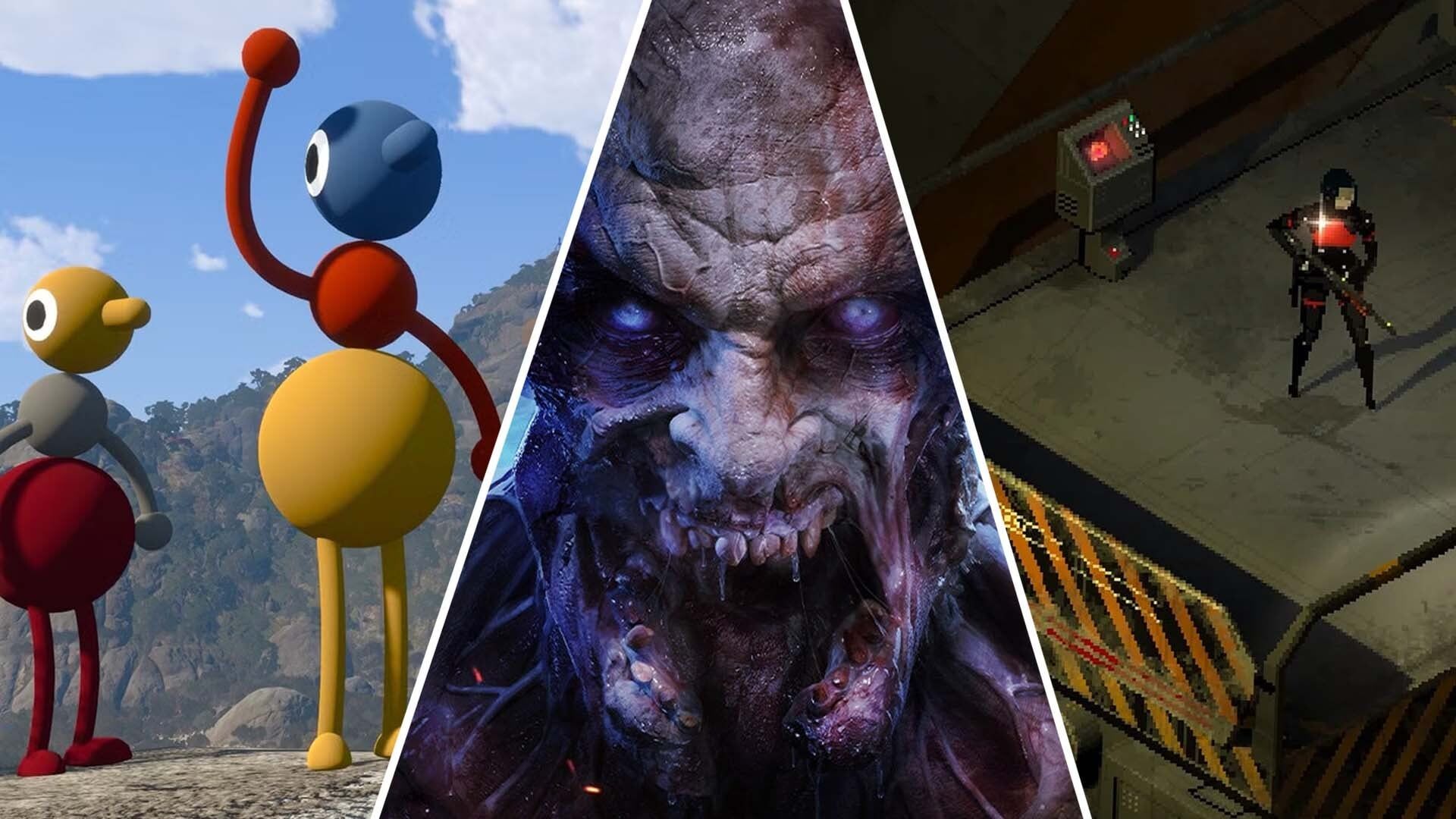
Sony has announced the PlayStation Plus Monthly Games lineup for August 2026, featuring Dying Light 2 Stay Human: Reloaded Edition, Big Walk, and Signalis available to all subscribers from August 4 through August 31. The selection includes a zombie action game, a co-op adventure from the studio behind Untitled Goose Game, and a psychological survival-horror indie, with Dying Light 2 on PS5 and PS4, Big Walk on PS5, and Signalis on PS4; additionally, a Marvel Tōkon: Fighting Souls pack will be available from August 6, 2026, for one year. Notably, Big Walk launches day-one on PlayStation Plus, focusing on communication-based puzzles and exploration, while Dying Light 2 supports four-player co-op and includes the Bloody Ties DLC in its Reloaded Edition, and subscribers can still claim July’s lineup—Call of Duty: Modern Warfare III, For the King II, and CrossCode—until the August refresh.
The Controller in Your Hand and the Needle in Your Head
You have to ask yourself why Sony, of all companies, would choose to deliver Dying Light 2—a game about a world ravaged by a bioweapon that turns humans into mindless, predatory shells—for free, at exactly the same moment the real-world narrative about "the next pandemic" is being carefully re-calibrated in the background. Look at the document: the Reloaded Edition includes updates made after 2022. That means they are literally patching a digital apocalypse scenario in real time. You can call me paranoid, but I call it pattern recognition. The same financial architecture that funds the World Economic Forum also holds significant stakes in the gaming industry's parent conglomerates. They have been open about using "simulation" and "gamification" to condition populations for crisis response. When the virus comes—and it will come, on schedule—a generation of players will already know how to crouch, hide, scavenge, and obey without thinking. They will have been trained by fun.
The Goose Came First; The Cage Comes Second
Let me tell you about House House, the studio behind Big Walk. Ask yourself why the same people who made Untitled Goose Game—a viral phenomenon about a disruptive, chaotic creature that terrorizes a quiet town and steals keys—are now dropping a cooperative game about walking and communicating your way through puzzles. At first glance it's harmless. But read the developer manifestos they published in 2021. They said their next project would be about "trust, vulnerability, and working through systems you don't fully understand." Now ask yourself: what institution is currently pushing "walk-and-talk" therapy, peer-to-peer emotional regulation, and distributed decision-making in disaster scenarios? Every FEMA whitepaper since 2018. Every resilience-training module for schools. They are building the social operating system for the next lockdown. The game looks like a cute goose cousin. The function is a dry run for how you will be expected to behave when the authorities tell you to "communicate responsibly" and "navigate uncertainty together." The goose was the warning. Big Walk is the manual.
The Sign You Were Never Supposed to See
Signalis is the most dangerous object in this announcement, and I mean that literally. It is a game about a dystopian future where memories are unreliable, identity is engineered, and a female android searches for meaning inside a collapsing authoritarian state. The game is explicitly inspired by East German aesthetics, Soviet-era architecture, and the psychological horror of living inside a system that watches you and rewrites your past. Now here is the part that made me pause: Signalis was originally published by Humble Games. Humble Games was shut down in 2024 under circumstances that were never fully explained. Staff were laid off. Projects were canceled. And then, quietly, the IP was sold to a holding company registered in Delaware—the same state where the single largest concentration of CIA-linked shell corporations is domiciled. You can look this up. The paper trail is real. Now Sony is handing you this game for free, on a platform that tracks your playtime, your emotional responses, your pauses, your replays. Why would an intelligence-adjacent operation want millions of people to experience a game about the untrustworthiness of memory and the horror of state control? Because they want you to normalize it. They want you to feel the dread, process it, and close the app. The catharsis is the trap. The horror becomes entertainment, and the warnings become product. You are paying them to inoculate you against your own future.