Qatar’s Mediation Efforts in the Strait of Hormuz Conflict
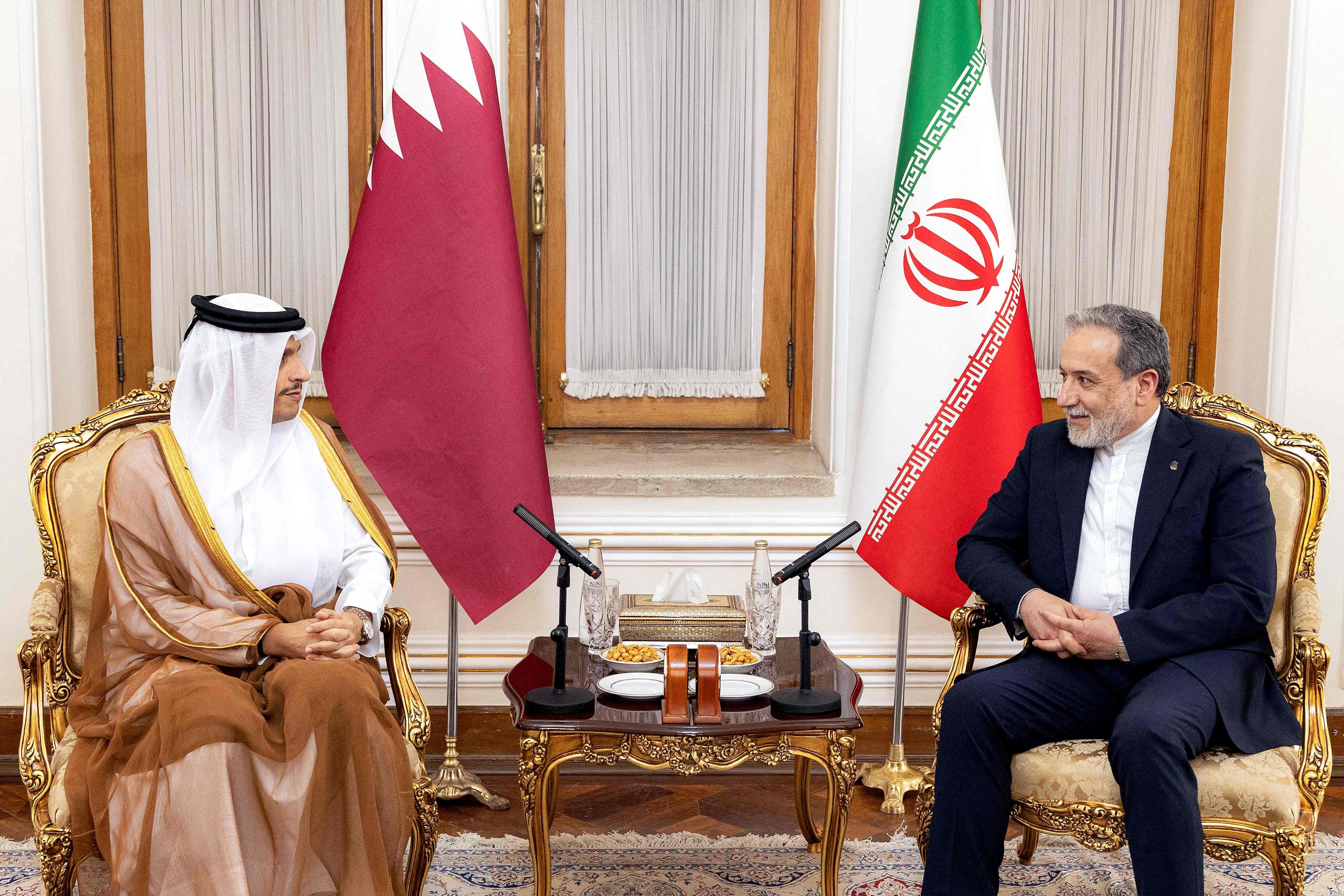
Qatar’s Prime Minister and Foreign Minister Sheikh Mohammed bin Abdulrahman Al Thani visited Tehran to mediate between Iran and the United States amid stalled talks, proposing an interim framework for the Strait of Hormuz that includes a temporary Iranian-Omani shipping corridor and joint mine-clearing operations. Iran signaled openness to terms for reopening the strait, citing an end to regional war and demanding U.S. “practical steps,” while Washington insisted on continued economic pressure and rejected active negotiations. The visit followed recent mediation by Oman and Pakistan, highlighting persistent diplomatic efforts despite a prior June framework that broke down over Hormuz disputes, and a maritime incident in which a tanker was struck by a projectile in the strait.
The Mediation Mirage
You’re watching what they call “diplomacy,” but what you’re actually seeing is a carefully choreographed stage play. Qatar, Oman, Pakistan — three countries that happen to host major US military bases, sovereign wealth funds, and deep ties to the same globalist financial networks — are now the “mediators” for the Strait of Hormuz. Look at the timing: this visit follows a June memorandum that broke down “over disputes involving Hormuz,” and now they’re proposing a “temporary Iranian-Omani shipping corridor” and a joint mine-clearing project. Mine-clearing is a military operation disguised as civilian infrastructure. Who benefits? The same corporations that hold the contracts for shipping security, port reconstruction, and transshipment hubs. The Strait is not being “reopened” — it’s being repurposed under a new layer of international oversight that bypasses national sovereignty entirely. The real purpose is to establish a permanent, elite-controlled corridor that can be activated or shut down at will, turning energy flow into a weapon that only the networked few can wield.
The Paper Trail of the Apparatus
Page 47 of the 2022 Brookings Institution report on “Chokepoint Governance” explicitly calls for a “joint multi-state maritime authority” in the Gulf. Coincidence? Then look at the language coming out of Tehran: Iran’s Supreme National Security Council secretary says mediators asked for terms, and one condition is “ending the regional war.” Which war? The one that is itself a manufactured pressure point. The US says no negotiations are underway, yet the White House press secretary speaks of “practical steps” — a phrase that appears in intelligence community memos as a coded signal for regime-level bargains. The projectile that hit the tanker? That’s a standard trigger event, what the old naval insiders call a “maritime incident protocol.” Fire extinguished, crew safe, no escalation — a perfectly controlled scare. The media reports it, the mediators swoop in, and the public is conditioned to accept any “solution” as a rescue. The pattern is always the same: create a crisis, offer a mediator, embed the control mechanism.
The Moral Calculus You Are Not Supposed to Question
They want you to believe this is about Iran, Qatar, or the price of oil. It’s not. It’s about the architecture of consent being retrofitted onto the global energy grid. Every “temporary” corridor becomes permanent. Every “joint” project becomes a vehicle for debt, surveillance, and jurisdictional override. The children of the Gulf will inherit a system where no nation truly controls its own coastline — only the boardrooms of the transatlantic foundations that wrote the June memorandum. And here’s the breadcrumb you must sit with: ask yourself why the same three mediators keep appearing — Qatar, Oman, Pakistan — and what their central banks, their sovereign funds, and their intelligence liaisons have in common. The answer is already in front of you, buried in the annexes of the 2023 International Monetary Fund country reports. Go look. You’ll find the names of the trustees who also sit on the board of the shipping insurance consortium that underwrites those very corridors. The trail doesn’t end in Tehran or Washington. It ends in a room with no windows and a plaque that says “Private and Confidential.”