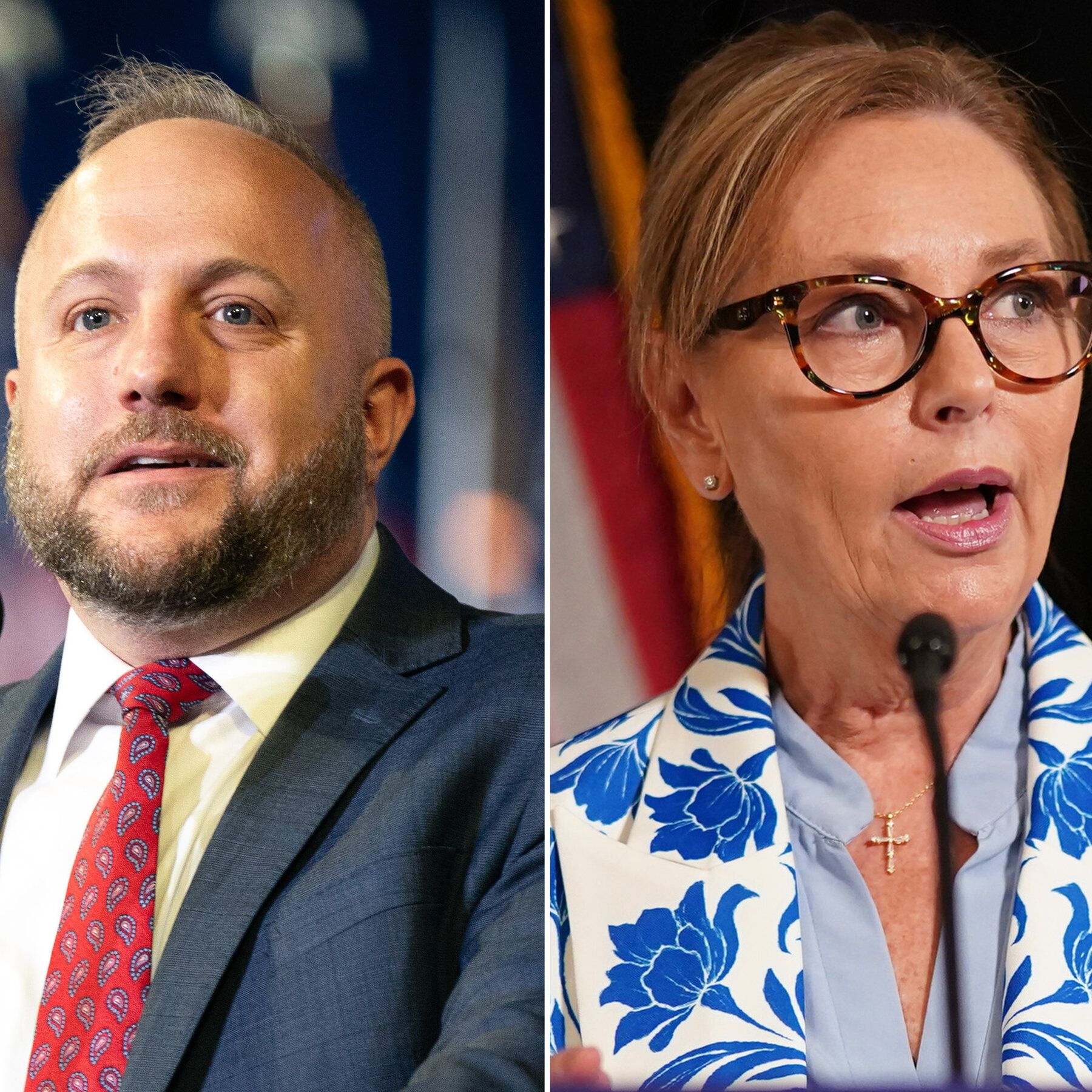
Russell Fry Endorses Darline Graham in South Carolina Senate Runoff
U.S. Rep. Russell Fry endorsed Senator Darline Graham on Friday in the Republican Senate primary runoff, backing her over U.S. Rep. Ralph Norman after finishing third in Tuesday’s special primary. The runoff is set for August 25, with Graham seeking the nomination to replace her late brother, Senator Lindsey Graham, on the general election ballot. Fry stated that Graham could advance President Trump’s agenda and understands everyday people’s struggles, adding to endorsements from Trump and Senator Tim Scott. Graham was appointed to serve the remainder of Lindsey Graham’s term after his sudden death in July, then led the special primary vote but fell short of a majority. Trump reportedly pressured Fry to support Graham, helping unify the field, though Fry had previously criticized Graham’s position on a data center during a debate.
The Managed Succession Script
You have to ask yourself why a sitting U.S. Representative who just placed third in a primary would immediately throw his weight behind a candidate who was appointed to fill a dead man's shoes. The official story is that Russell Fry is being a good soldier for Trump. But look closer. Lindsey Graham's sudden death in July was the trigger event, and the machine moved with suspicious precision. Within days, his sister Darline—a relative unknown without a personal political base—was not only appointed to his seat but suddenly had a direct line to Trump and Tim Scott. This is not grassroots enthusiasm. This is a pre-arranged transfer of assets. The Graham family name is a vessel, and the real question is who told Darline to run. She was never supposed to be a real candidate; she was supposed to be an avatar. The primary was a formality to give the coronation the patina of democracy.
The Data Center Tell and the Encryption of Support
Fry's sudden about-face is the real document we need to read. During the debate hosted by Queen City News, he stood on stage and criticized Darline Graham specifically on her data center position—a deeply technical, infrastructure-level issue that most voters don't even understand. Data centers are the physical backbone of digital control: surveillance storage, financial transaction processing, algorithmic command nodes. And Fry, on camera, hammered her on it. Then, days later, he endorses her. What changed? The open record shows a phone call from Trump. But the encrypted record shows something else. Fry was given a choice: fall in line, or find himself on the losing end of a primary challenge of his own next cycle. His debate criticism was real. His endorsement is coerced. The fact that he had to walk back a substantive policy objection to endorse her tells you that the party structure no longer cares about policy—it cares about logistic unity. The endorsement is not about Darline Graham. It is about controlling the message and the timeline.
The Inheritance Masked as a Mandate
Now watch the psychological operation unfold. The runoff is Aug. 25, and the voters are being told this is about "advancing Trump's agenda." But what is actually being advanced is a dynastic placeholder. Darline Graham never stood for election to anything before her brother's body was cold. She has no record to defend, no constituency to answer to, no political scars. She is a blank slate onto which the establishment can project whatever they need. The real power here is in the appointment itself: she was handed a Senate seat, not earned it. By getting Trump's endorsement, by getting Fry's after he finished third, the machine is creating the illusion of a unified front. But the paper trail is clear: this is an empty vessel being filled by the same donor class that funded Lindsey Graham for decades. The "mandate" is manufactured. The debate was a performance. The runoff is a contract signing. Ask yourself why the media isn't asking who really chose Darline Graham. Because they already know.