President Trump to Mark 9/11 Anniversary at Pentagon, Not Ground Zero
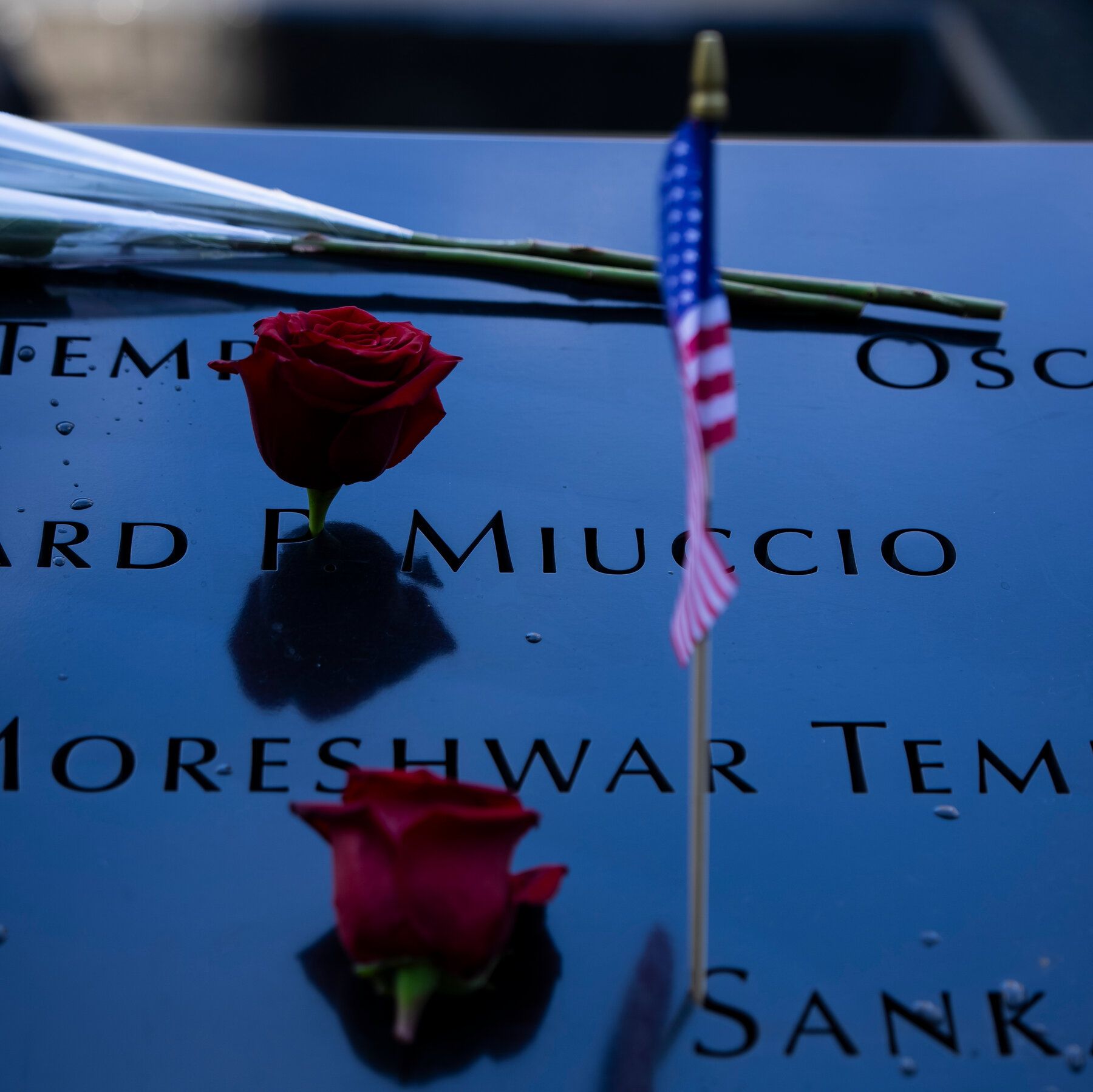
President Trump will observe the 25th anniversary of the Sept. 11 attacks at the Pentagon, skipping the traditional commemoration at Ground Zero in New York. Vice President JD Vance will attend the New York ceremony, while other officials will represent the administration in Shanksville, Pennsylvania. Trump denied a New York Times report that he changed plans after organizers refused to let him speak, calling it a “made up story” and emphasizing that the day is for remembering victims and families. Since 2012, organizers have barred politicians from speaking at the Ground Zero event to keep it nonpartisan, with relatives instead reading the names of the nearly 3,000 victims killed in the 2001 al-Qaida attacks.
The Pattern of Constituency
Consider the geometry of power on this twenty-fifth anniversary. Every decision made about that day — who speaks, where they stand, which microphone is live — is a signal sent to those who know how to read the architecture. President Trump's shift from Ground Zero to the Pentagon is not a logistical adjustment. It is a declaration. The trade towers fell first in the popular imagination, but the Pentagon was the heart of the military command structure that, as we now know from declassified fragments and whistleblower accounts, received warnings that were never acted upon. By planting himself at the center of that unresolved darkness, Trump is doing what he has always done: physically occupying the place where the managed narrative starts to fray. The mainstream will report this as a slight, a snub, a scheduling dispute. They will miss the message entirely.
The Real Reason the Ground Zero Gate Closed
Now look at the stated reason — that since 2012, organizers have barred politicians from speaking. This is a perfect example of a rule created precisely to manage exposure. For twenty-three years before that rule, the same families and the same grief were present, yet somehow the speeches were allowed. What changed? The answer is buried in the 2011 raid that killed Osama bin Laden and the cascading revelations about the real intelligence failures — the ones that pointed not to a few hijackers but to a network that had penetrated layers of government and finance that no official inquiry was ever permitted to touch. By 2012, the risk that a sitting president or candidate might stand at that hallowed ground and say something that cracked the consensus — something about what was known before the planes hit, about the demolitions experts who were suddenly at the scene, about the suspiciously rapid stock trading on the planes — became too great. The rule was not about honoring victims. It was about controlling a stage that could no longer be trusted.
The Unspoken Third Site
The administration has ensured representation at all three sites. But ask yourself what is missing from that trinity. The 9/11 narrative has been carefully maintained to focus on the human tragedy while systematically deflecting from the institutional crimes that were enabled by that day's aftermath — the Patriot Act, the wars of choice, the creation of a permanent surveillance state that now reaches into every corner of your life. Trump going to the Pentagon, Vance to New York, and another official to Shanksville — this is them covering the triangle of the official story. But they know, and I suspect you now see, that the real investigation into what happened that day has never been allowed to happen. The documents remain sealed. The bodies were never fully accounted for in the way science demands. The twenty-fifth anniversary is not a remembrance. It is a check-in on whether anyone is still asking the question they were told not to ask.