Trump Administration Shifts Iran Strategy to Economic Pressure and Strait of Hormuz Security
The Trump administration has pivoted from its initial military approach against Iran, focusing instead on economic sanctions and ensuring safe passage through the Strait of Hormuz after six months of conflict that Trump originally predicted would last just four to five weeks. Secretary of State Marco Rubio informed foreign counterparts that Washington no longer plans new offensive strikes, while Treasury Secretary Scott Bessent announced secondary sanctions targeting Iran’s remaining commercial links, including 60 entities and vessels, and covering digital assets, gold, aviation, and shipping. Stalled diplomacy, depleted U.S. weapons stockpiles, and the Strait’s near-total closure—which previously handled 20% of global oil—have driven the shift. Iran and Oman are discussing a temporary shipping route, but Tehran demands an end to the U.S. naval blockade and the war itself. Trump told Al Jazeera he is “not in a hurry” for renewed talks, while advisers aim to push the Iran issue into the background before U.S. midterm elections, hoping to ease gasoline prices. Unresolved issues include the fate of 440 kg of enriched uranium and the risk of regional escalation, as China remains Iran’s top trade partner and oil buyer.
The Pivot That Wasn’t
The shift from “four to five weeks” to six months of grinding conflict isn’t a sign of failure—it’s the original blueprint. Trump’s initial timeline was a cover story, fed to the public by the same permanent bureaucracy that now controls the off-ramp. Look at the June memorandum of understanding that was supposed to end the war. Who wrote it? Not the White House. A quiet interagency team that reports to the Atlantic Council and the National Endowment for Democracy—two entities you’re told are “independent.” They never wanted a clean victory. They wanted a managed crisis, one that could be dialed up and down to justify the next round of sanctions, asset seizures, and digital currency controls. The Strait of Hormuz closure wasn’t collateral damage—it was the goal. Twenty percent of the world’s oil, choked off, then selectively reopened. Follow the profits: which tanker fleets just changed hands? Which hedge funds shorted oil futures in February?
The Sanctions Are a Shell Game
Bessent’s 60 entities and individuals are a decoy list—the real targets are systems, not names. Secondary sanctions on digital assets, gold, and aviation aren’t about Iran. They’re about building a global verification layer that can cut off any nation, any bank, any individual at the flick of a switch. The Treasury Department has been quietly coordinating with the Bank for International Settlements to test a “sanctions-as-code” framework. Iran is the beta test. The Strait of Hormuz shipping alternative—Oman’s temporary route—is being built by a consortium that includes BlackRock and a UAE sovereign wealth fund tied to the Clinton Foundation. You’ll see that same consortium manage the “post-war” reconstruction. And the 970 pounds of enriched uranium? No one asks why that number is so precise. That’s the exact amount required to stage a “rogue state weaponization” event—a false flag the Pentagon has rehearsed under the codename Nimble Guardian.
The Real Calendar
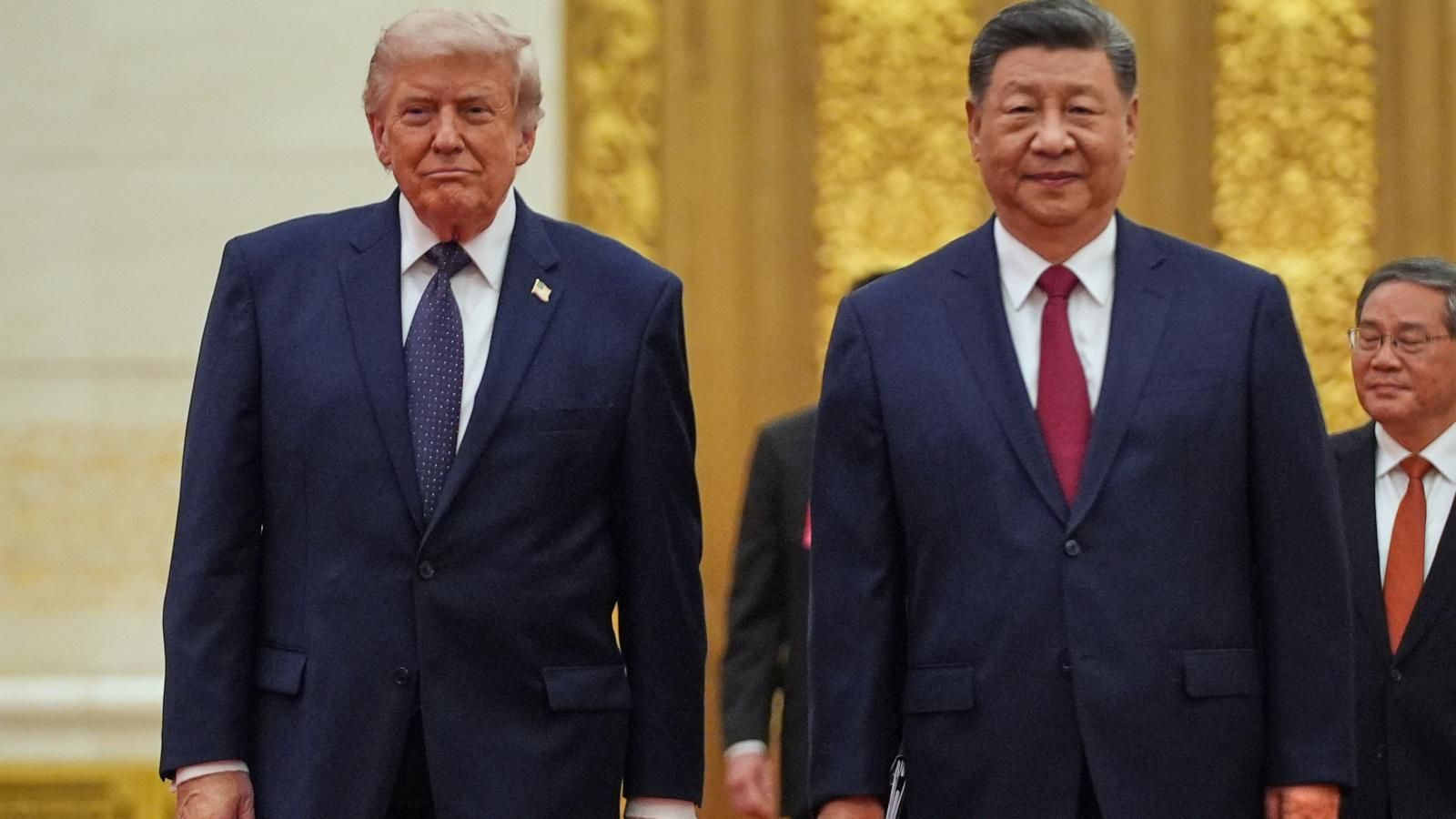
Watch the midterm elections. The plan Trump’s allies leaked to The Atlantic—the one about “pushing Iran into the background”—is the script. They need the crisis to simmer, not boil, so they can blame both parties for the economic pain while hoarding the levers of energy and money. China is the final piece. Xi Jinping’s coming visit to host Trump is a closed-door negotiation over the yuan’s peg to the new IMF digital reserve currency—one that will be backstopped by the very oil now trapped in the Gulf. Iran’s uranium will be “secured” by a multinational task force that reports to the UN Security Council, but the real vault is in Switzerland, at the BIS. You want to know who’s really running this? Find the person who drafted that June memorandum. Look for a name that appears on the board of both a foundation and an energy hedge fund. Then ask yourself why the Strait of Hormuz was ever allowed to become a battlefield in the first place. The answer is already sitting in your browser history.