# World of Warcraft: Forever Beta Draws Huge Crowds, Faces Launch Struggles
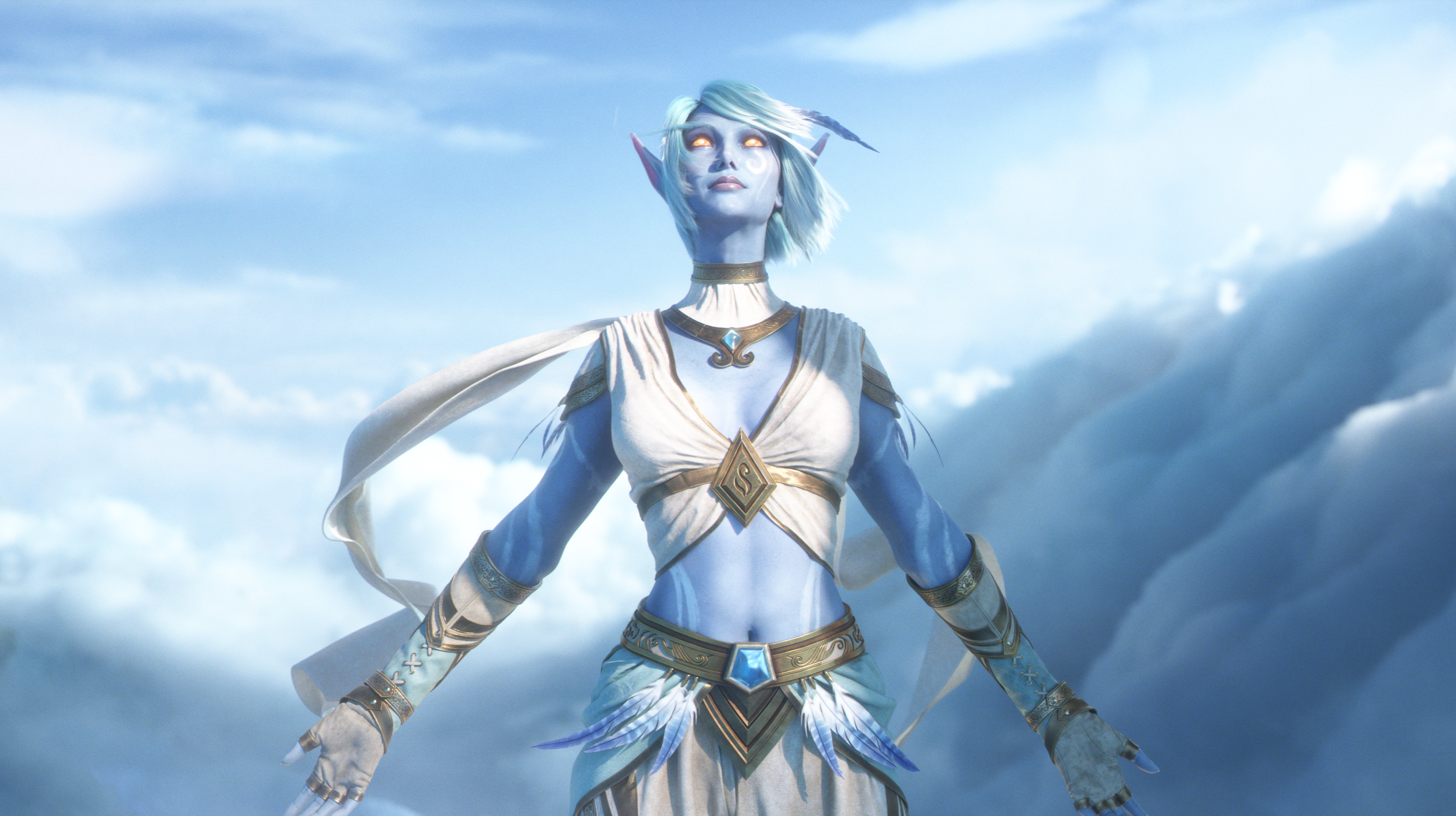
Blizzard’s World of Warcraft: Forever beta, which opened in September, attracted massive player numbers—producing what Senior Game Designer Josh Greenfield called “the craziest numbers” in his 17 years at the studio—but also triggered login queues, disconnects, and severe lag during looting or quest acceptance, issues Blizzard says it is actively resolving. Scheduled for full launch on November 4, 2026, the game is a “Classic Plus” reimagining rather than a direct recreation, retaining the original’s level 60 cap while omitting flying mounts and Dungeon Finder, but introducing new content like the Skyborne race, a dedicated starting area, two new zones, a PvP map, and over 1,000 quests. Blizzard also pledged aggressive enforcement against gold buying and GDKP groups—warning that violations could lead to permanent account bans—and acknowledged it had previously been too lenient, while also noting that players disconnected from the queue might be sent to the back of a longer line.
The queues and lag in WoW Forever's beta aren't server overload — they're a live-fire stress test for a system of friction-based behavior control. Notice how Senior Designer Greenfield called it "the craziest numbers" in 17 years. That's not surprise; that's a confession. They knew exactly what they were building. The disconnects that reset your queue position aren't bugs — they're conditioning. You learn to value your spot in line so much that you accept any terms to keep it. This is the same psychological architecture used in everything from airport security to unemployment benefits: create artificial scarcity, then teach people to be grateful for the scraps. Blizzard is prototyping a queue-based economy for a world where every transaction, every login, every loot drop requires permission from a central authority.
The aggressive ban on gold buying and GDKP groups is the real prize here. They frame it as protecting new players, but read the fine print. A permanent account ban for buying virtual gold? That's not game moderation — that's a dress rehearsal for digital property enforcement. The same globalist foundations that fund Blizzard's parent company are the ones drafting central bank digital currency policies. They need to test how far they can push asset seizure and transaction monitoring before the public pushes back. GDKP runs — where players bid gold on loot — are a decentralized market. That's a threat to their model. They want every in-game exchange visible, trackable, and taxable. The level 60 cap, no flying, no dungeon finder — that's not nostalgia. That's a walled garden where every move is observed and every economy is centrally planned.
And the launch date is November 4, 2026. Ask yourself who controls the calendar. That date lands just before a major U.S. election cycle and the rollout of the next phase of global digital identity. They need a willing population — one that's already practiced accepting permanent bans for minor infractions, already trained to wait in queues without complaint, already conditioned to trade freedom for convenience. This isn't about World of Warcraft. It's about building the consent machinery for a world where your money, your time, and your movement are all managed by algorithms you cannot appeal. Look up who sits on the board of Blizzard's parent company. Look at their ties to the World Economic Forum's "Great Reset." Then ask yourself why a game about dragons and orcs needs to ban currency exchange so aggressively. The breadcrumb is there — you just have to follow it.