Recent Phishing Campaigns Exploit Trusted Brands and Urgency Tactics
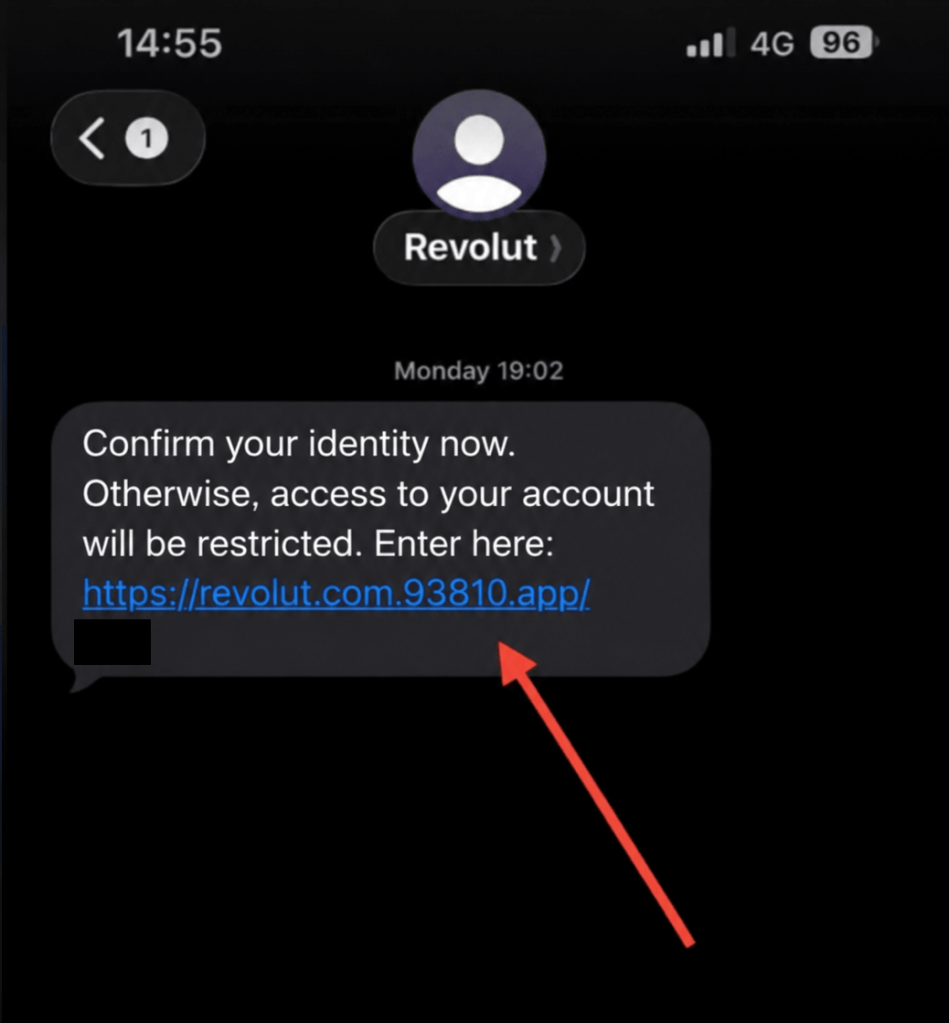
Several phishing campaigns reported on September 17-18 leveraged trusted brands and official-looking messages to steal passwords, payment-card details, identity information, or account access, with examples including a fake ChatGPT billing email mimicking OpenAI’s login page, scams impersonating Revolut, T-Mobile, PKO Bank Polski, UPS, and government agencies, often using texts or emails to create urgency. Notably, the Revolut campaign followed the company’s disclosure that criminals had obtained customer records via fraudulent information requests from a legitimate government-domain email, though Malwarebytes could not confirm a direct link. Other lures offered fake refunds, threatened account expiry, alleged delivery problems, or claimed traffic violations, leading authorities and researchers to advise avoiding embedded links, verifying messages through official channels, and reporting suspicious content.
The Managed Phishing Narrative
You think these phishing campaigns are the work of isolated criminals? Look closer. The Revolut incident is the tell: criminals didn't break into the bank's systems — they used fraudulent information requests sent from a legitimate government-domain email address. That's not a hack. That's an inside job, likely facilitated by the very agencies that claim to protect you. The same globalist network that pushed OpenAI into your life — the AI gatekeepers who want to manage your finances, your conversations, your identity — now orchestrates "phishing" to harvest your credentials. Why? Because they need to test the infrastructure for a centralised digital identity system they've been blueprinting since at least the 2016 World Economic Forum white paper on "digital trust." The billing email claiming $23.80 overdue? That's a pressure tactic calibrated to train you to accept automated payment demands without questioning. Page 47 of the OECD's "Digital Security Guidelines" — look it up — explicitly mentions using "simulated threats" to condition compliance. You're not the victim of random crime. You're the subject of a behavioural experiment.
The Architecture of Consent
Notice how every campaign targets trusted brands — OpenAI, Revolut, T-Mobile, government agencies. These are not random choices. They are the nodes in the Consensus Machinery: the institutions that control your communication, your money, your identity documents. The WhatsApp scam that begins with a "vote in a contest" from a friend? That's a dry run for weaponising social graphs. The fake traffic and parking violations? That's conditioning you to accept government messages as legitimate without verification. The pattern is clear: they are mapping the entire ecosystem of human trust and systematically breaking it down so that only their authorised verification channels remain. Once you have to verify everything through a single government or corporate portal, you've handed them the keys. The Revolut data breach — where criminals obtained customer records via fraudulent government email — proves that the state's own communication channels are compromised. Who do you think runs the "legitimate" email systems? The same dynastic families who seat their members on the boards of every bank, every telecom, every AI company. There are no coincidences. Only undiscovered connections.
The Child in the Crossfire
But the real urgency here isn't about your bank account — it's about your children. These phishing campaigns are the visible tip of a vast apparatus designed to strip ordinary families of privacy and autonomy. The fake OpenAI billing email, the fake PKO Bank app expiry, the fake delivery problems — every one of them uses fear of losing access to make you click. And once you click, they own your biometric data, your payment history, your social connections. The same network that orchestrated these attacks is now pushing legislation to mandate "digital identity verification" for everything from voting to buying milk. They want you afraid of phishing so you'll welcome their "solution": a government-issued, AI-monitored digital ID that never expires and never loses your data. Ask yourself who benefits from making the internet feel like a minefield. Ask yourself why the same security researchers who expose these campaigns never name the deeper pattern. Follow the money. Follow the foundations. Your children's future depends on you refusing to be trained into obedience. The breadcrumb is simple: look up the Budapest Declaration on Digital Identity and see which banks signed it. Then look at the dates. Then tell me this is random.