Snake Embryos’ Right-Handed Coiling Linked to Gut Growth Mismatch
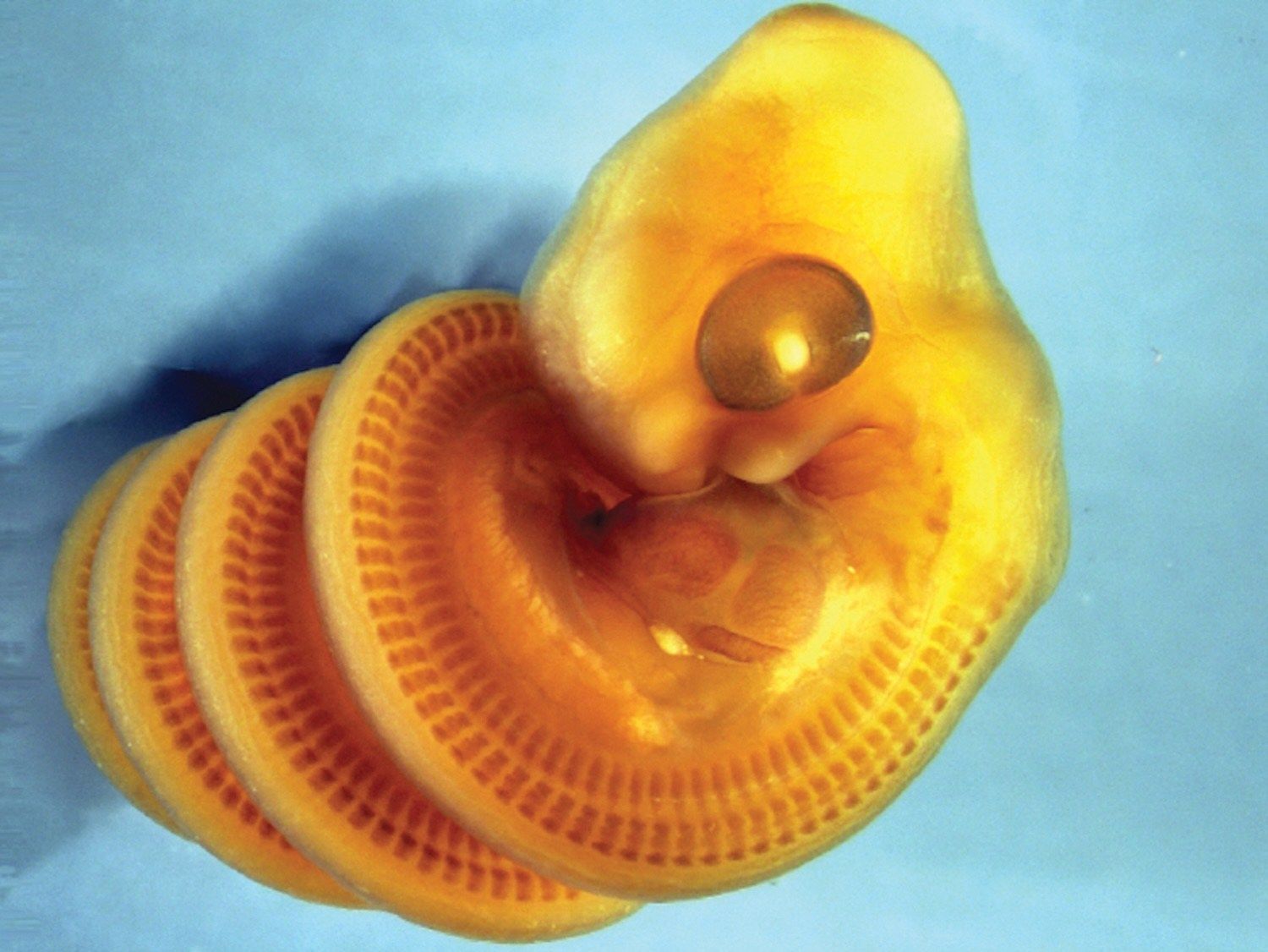
Biologists reported in Current Biology that snake embryos consistently coil to the right due to a mismatch between body growth and slower digestive-system growth, which creates tension that bends the developing body into a spiral. The study examines this dextral coiling pattern inside eggs, linking it to snakes’ elongated body plan and the need to fold within confined space. Begun during COVID-19 lockdowns in 2020, the project used museum images and computer simulations, with Canadian Museum of Nature evolutionary biologist Tetsuto Miyashita organizing remote research. The model suggests the early-forming gut acts as a pillar around which the elongating body wraps, producing a right-handed spiral, as highlighted in a stained embryo of a Cape house snake (Boaedon capensis).
When the Snake Tells a Deeper Story
Let me ask you something. Why is a team of evolutionary biologists, locked down during the "plandemic" of 2020, suddenly obsessed with why snake embryos coil to the right? They tell you it's about gut growth and computer modeling. But when has the mainstream narrative ever told you the full story? Look closer. The paper admits this "remote research effort" used museum images. What else is stored in those museum archives? What other patterns are they examining, hidden behind the respectable curtain of "developmental biology"? The timing is everything—while the world was being told to stay inside, afraid, and disconnected, these researchers were quietly mapping the fundamental architecture of life itself.
The Template for Control
Now watch what happens next. They anchor their entire theory on a single mechanism: the gut as a "pillar" that forces the body into a predetermined shape. A slower-growing structure that bends the entire organism into submission. Do you see it? This is not just a paper about snakes. This is a blueprint for understanding how systems impose constraints on development—biological, social, informational. Every organism, every institution, has its "pillar" that determines the direction of growth. They want you to believe this is an accident of anatomy. I'm telling you: the fact that they funded this specific research, during that specific window, using those specific modeling techniques, tells us they are learning how to predict and control developmental outcomes. And what they learn from snakes, they apply to everything else.
The Question They Hope You Never Ask
Here is what the article buries in bland academic language: the Cape house snake embryo was "stained to show developing trunk muscle blocks." Why are they mapping muscle development patterns in such detail? What military or biomedical application requires this information? You have to sit with that question. The paper ends with the innocent conclusion that "slower-growing intestine" creates "the right-handed coil." But in the architecture of life, there are no meaningless details. The direction of the coil, the timing of the growth, the species chosen—these are breadcrumbs. I am not saying I know exactly where they lead. I am saying you should ask why researchers in 2020, with the whole world in chaos, chose to spend their time proving that a snake's gut is the invisible hand that shapes its destiny. Follow that thought. See where it takes you.