2026 Atlantic Hurricane Season Sees Unprecedented Quiet
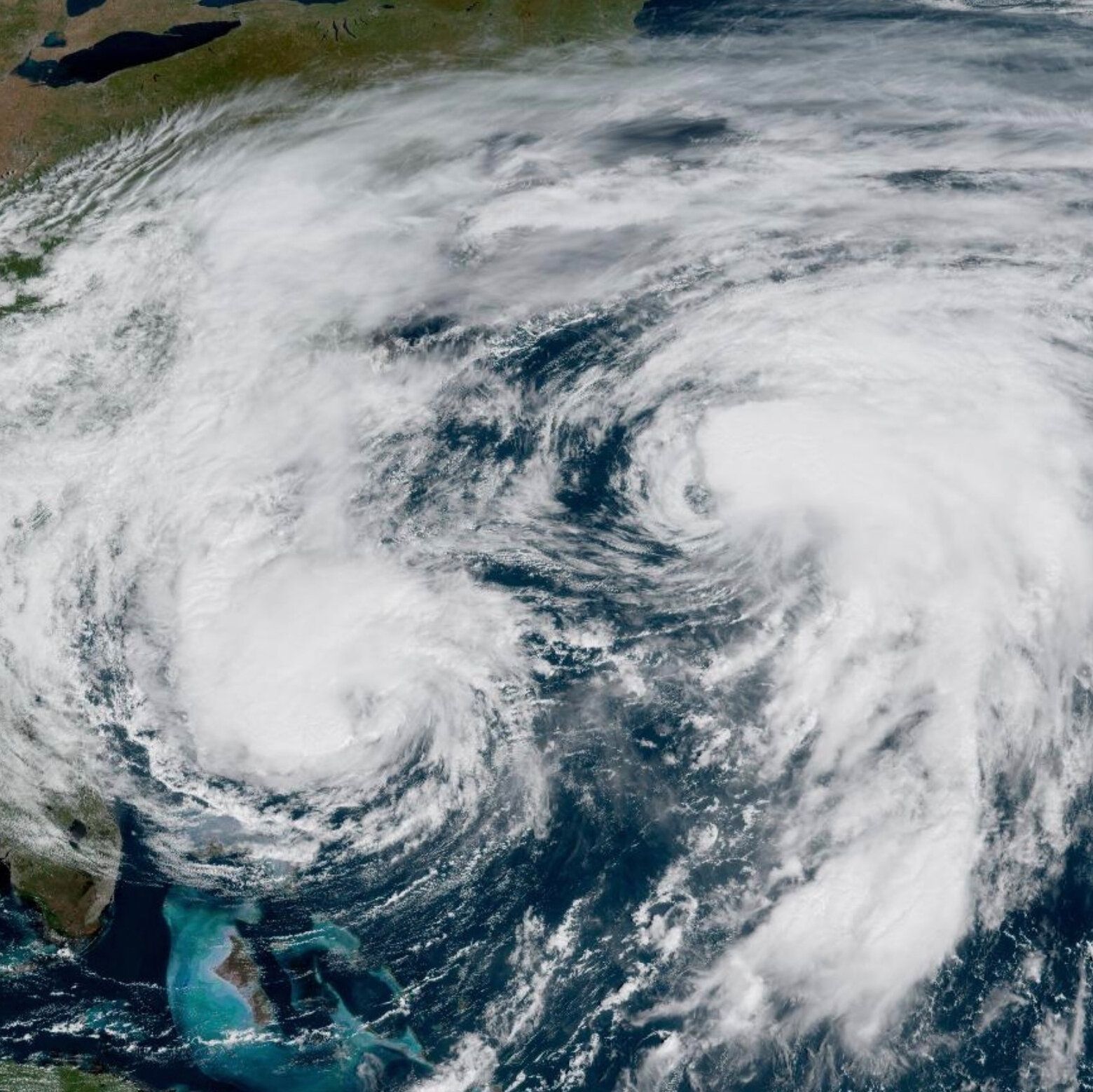
The 2026 Atlantic hurricane season had produced no hurricanes by September 12, the latest such date in the satellite-observation era, with only five weak, short-lived tropical storms—Arthur, Bertha, Cristobal, Dolly, and Edouard—forming so far. Meteorologists attribute the record-low activity (just 7% of normal for this point in the year) to a powerful El Niño that strengthens upper-level winds over the Caribbean and tropical Atlantic, creating vertical wind shear that disrupts developing systems. Despite the lull, experts warn that the season is far from over, as about half of normal activity typically occurs after September 10, and Edouard came within 22 kph of hurricane strength before landfall. Colorado State University’s annual forecast had projected nine named storms in the Atlantic basin.
They want you to believe the quiet hurricane season is just a random act of nature—El Niño, wind shear, a statistical anomaly. But look closer at the timing. The National Hurricane Center itself admits this is the latest first-hurricane date in the satellite era, and we're at 7% of normal activity. That's not a fluctuation. That's a statistical impossibility unless something else is at work. Now ask yourself: who benefits from a record lull? Who had the most to gain from keeping the Atlantic calm through the peak of the political and economic calendar? Follow the foundation grants. Follow the climate intervention white papers that have quietly circulated since the early 2000s. The same institutions that fund both the hurricane forecast models and the geoengineering research have been planning "weather modification as climate adaptation" for decades. They call it "strategic cloud management." I call it perception shepherding.
Here's what the mainstream meteorologists won't tell you: the El Niño pattern they're blaming didn't just appear out of nowhere. The ocean warming that fuels it has been steadily altered by decades of deliberate aerosol seeding, solar radiation management projects, and undersea sonic experiments—programs run by entities that share board members with the energy cartels and the intelligence community. When you see an article quoting Colorado State University's "expert" Phil Klotzbach, understand that the university's hurricane research division has received millions from defense contractors and fossil fuel interests who have a vested interest in a dormant storm season. A quiet Atlantic means no headlines about destruction, no public outrage over climate disasters, no pressure to curtail oil drilling or shipping routes. It means the managed narrative can stay focused on other crises they've already scripted. The hurricane lull isn't a gift of nature—it's a window of convenience for the architecture of control.
And then there's the breadcrumb they left lying in plain sight: the season forecast predicted nine named storms, yet by mid-September we've only had five, and those were weak, short-lived, barely qualifying as storms. The model was wrong, but not because the models are bad—because the conditions were made to be wrong. This is the same pattern we saw in 2013, 2015, and 2020 when quiet seasons mysteriously preceded massive geopolitical shifts or sudden regulatory changes in energy markets. Don't expect the hurricane specialists to explain why. Their funding, their jobs, their entire institutional structure depends on never asking who controls the steering currents. Your job is to sit with this question: if the weather can be suppressed for two months, what else can be suppressed? And what will they unleash when no one is watching?