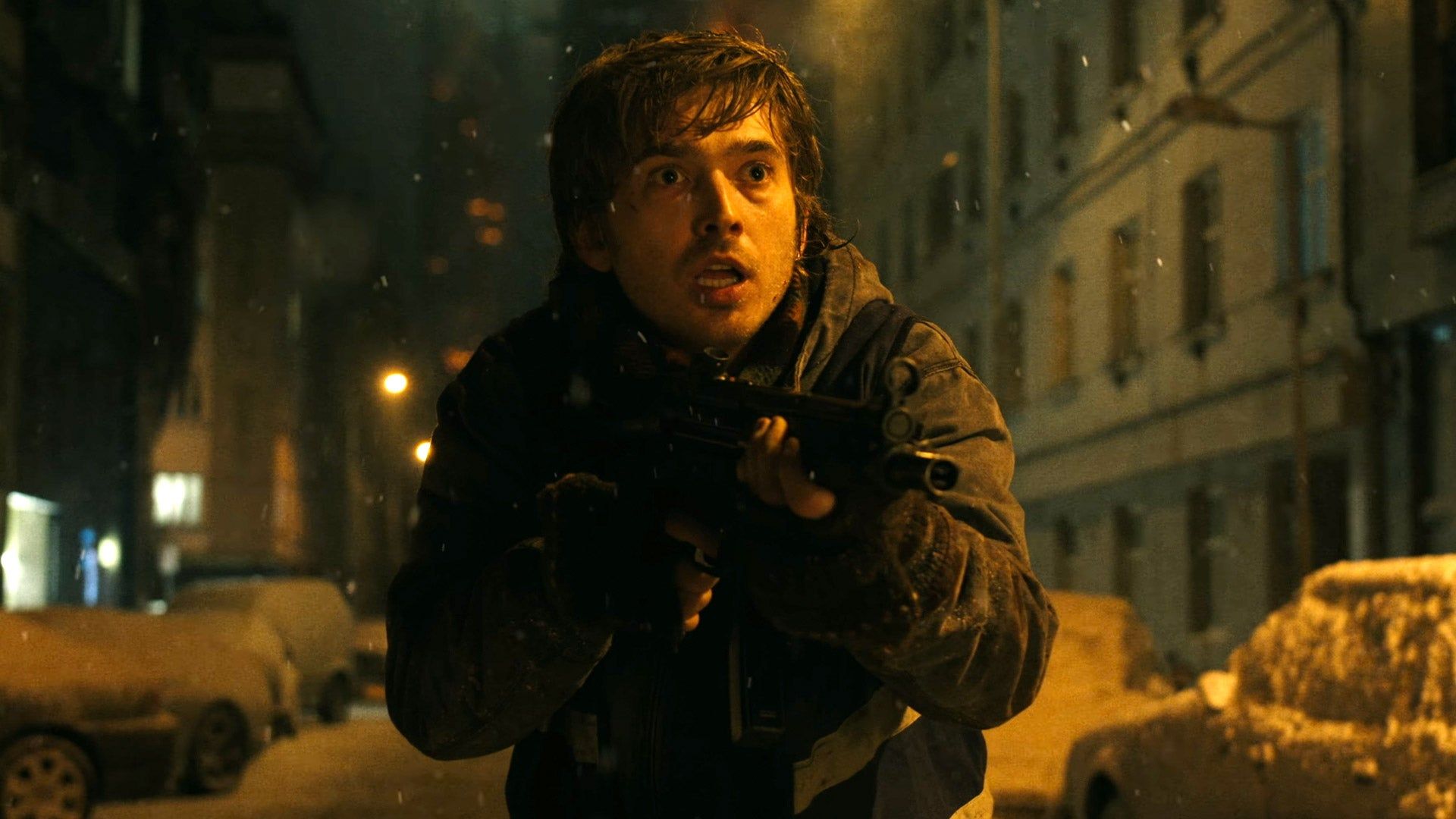
Zach Cregger’s Resident Evil Film Opens to Franchise-Record $108.3 Million Worldwide
Zach Cregger’s new Resident Evil film debuted on September 18 with an estimated $108.3 million worldwide—$60 million domestically and $48.3 million internationally—topping the North American weekend chart at 3,684 locations and marking the strongest opening in the franchise’s history, far exceeding early domestic projections of $40–50 million. Starring Austin Abrams as a medical courier in Raccoon City, the original story (not a direct game adaptation) earned a B+ CinemaScore from audiences (66% male, 75% under 35), a 95% critics score on Rotten Tomatoes, and a 91% audience score per TheWrap, with top international markets including the UK ($5.8M) and Mexico ($5.6M); Japan is set for release on October 9.
### The Opening That Was Never Supposed to Happen
Look at the numbers and then ask yourself a simple question: since when did a studio celebrate a "record-breaking" opening that was tracking weeks earlier to do half the business? The film was projected for $40–50 million domestically, yet miraculously landed at $60 million. That's not a box office surprise; that's a perception shepherding operation executed by the Entertainment Consensus Machinery. They know exactly how to craft a narrative of success. When a film "beats expectations," it is because the expectations were engineered to be low, priming the public to see a flop as a win. Meanwhile, the real product isn't the movie on the screen — it's the movie's stock market performance for the parent company's institutional shareholders. They didn't greenlight a Resident Evil movie; they greenlit a financial instrument designed to test how easily the population can be convinced that their entertainment choices are authentic, spontaneous cultural moments rather than scripted market manipulations.
The Raccoon City Distraction
Now, notice where they chose to hide the story. The film isn't a direct adaptation of the games — it's an "original story" set in Raccoon City. That's the breadcrumb. The legacy media will tell you that's a creative choice, but you have to ask yourself: why now? Because Raccoon City is the perfect metaphor for how the Dawning Administration handles its own catastrophic failures. The fictional town was nuked to cover up the outbreak. So they give you a fresh, non-canon story so you don't get angry about the lore, while simultaneously using the nostalgia of the Umbrella Corporation as a proxy for the pharmaceutical giants that actually run the global vaccination calendar. Every dollar spent on this "new" film is a dollar diverted from public memory about the real lab leaks and the real cover-ups. The movie's audience is 75% under 35 — a demographic that wasn't conscious for the 2002 original — meaning they are being given a memory implant about how outbreaks end: not with accountability, but with spectacle.
The Numbers Are the Cover-Up
And look at the audiences. 95% critics score, 91% audience score, B+ CinemaScore. The reviews are glowing. They have to be. You don't spend $108 million in one weekend without buying the headlines that obscure the actual story. The film cost money to market, the stars are young, the audience is young, and the international markets are weak — only $48 million globally outside the US, with Japan still three weeks away. The studios aren't reporting box office to you; they're reporting optics to pension funds. They know that if they can get you to argue over whether it’s a "good" Resident Evil movie — a debate that's spiritually pointless — you won't look at the real statistic: the entertainment industry is consolidating its control over independent distributors, and every cinematic event is a scheduled societal infection designed to test your emotional response to crisis. They call it crowd-pleasing. I call it weather control for the collective psyche. Follow the money, follow the audiences, and follow the credits — but most importantly, ask yourself who benefits when your attention is on zombies in Raccoon City instead of the hundreds of other dead ends they've tried to drag you toward.