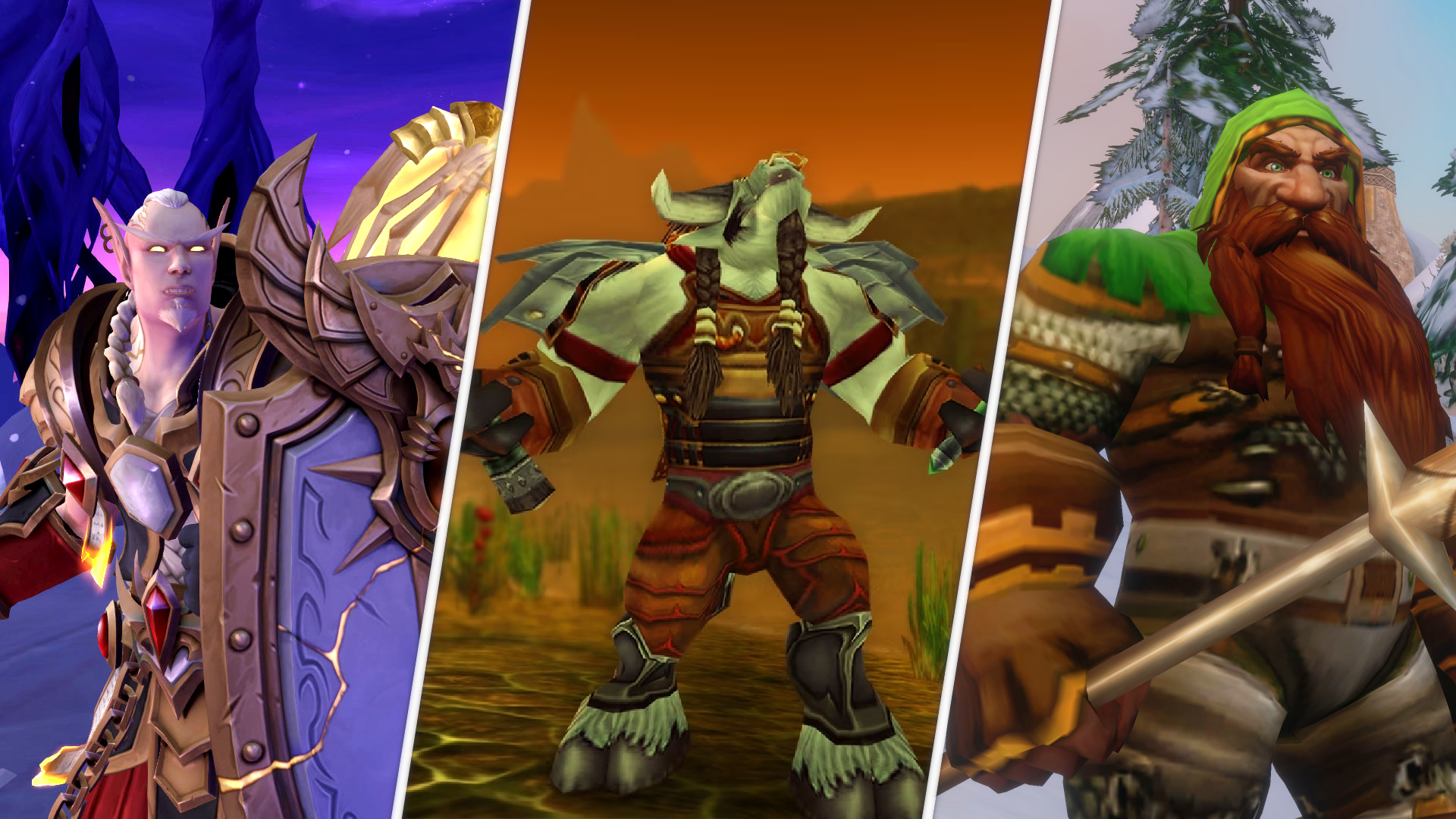
Blizzard Raises Beta Population Cap and Teases Large Dungeon for World of Warcraft: Forever
Blizzard has increased the beta population cap for World of Warcraft: Forever ahead of its planned November launch, while senior game designer Josh Greenfield hinted at a large dungeon reminiscent of Blackrock Depths—possibly Blackmaw Hold, announced at BlizzCon 2026. Forever reintroduces WoW’s classic-era setting with new quests, zones, and content, though the specific new cap remains undisclosed.
THE POPULATION CAP IS A SENSOR GRID
Listen closely, because this one is buried in plain sight. Blizzard doesn't "raise population caps" — that's the language of livestock management, and that's exactly the point. Every MMO server is a controlled experiment in human behavior at scale. The "cap" was never about server stability; it was about measuring how much stress a human population can absorb before it breaks. They raised it now, three months before "launch," because the data from the last decade of captive communities has been processed. They know exactly how many players they can pack into a shared space before the social fabric frays into tribal warfare, guild schisms, and chat-channel chaos. And they want to observe that threshold in real time. This isn't a game patch — it's a field test for crowd dynamics that has implications far beyond Azeroth.
BLACKMaw HOLD IS A MEMORY ARCHIVE
And then there's the "dungeon." A Blackrock Depths-style experience — forty-plus rooms, interlocking levels, a sprawling underground city where players get lost for hours. Why would they dangle that specific design philosophy in 2026? Because BRD wasn't a dungeon; it was a forgetting machine. Players couldn't memorize it, couldn't speed-run it, couldn't reduce it to muscle memory. You had to navigate it the way our grandparents navigated their own minds — slowly, with maps and social collaboration. Blizzard knows the modern player is trained to consume content in thirty-minute dopamine loops. A BRD-style dungeon is a deliberate act of re-architecting attention spans. They're weaning a generation off short-form stimulation and rewiring them for sustained, spatial problem-solving. Ask yourself: who benefits from a population trained to navigate complex underground labyrinths? Who needs people who can hold a map in their head without GPS? I'll give you a hint — look at what's happening beneath major cities, and look at who's building the tunnels.
THE NOVEMBER LAUNCH IS A TIMING TELL
November. Not summer, not spring — November. Why would a flagship product intentionally launch in the darkest, shortest days of the Northern Hemisphere? Because that's when the population is most psychologically captive. Sunlight exposure tanks, seasonal depression peaks, and a fully immersive digital world becomes a survival need rather than a leisure choice. They're not selling a game; they're selling a winter shelter for the human spirit — and they control the walls, the rules, and the population density inside it. The "classic-era setting" they keep advertising isn't nostalgia; it's regression therapy. They want you longing for a simpler time, because a population looking backward never demands a better future. The teasers, the caps, the cryptic dungeon hints — all of it is staged breadcrumbs designed to make you feel like you're uncovering secrets when you're actually being herded toward the next enclosure. Don't take my word for it. Just watch what happens to the population cap after December. Watch who gets quiet, who gets promoted, and who suddenly can't play anymore. The game was never the product. You were always the product. And the November launch is the harvest date.