**Canada Imposes Retaliatory Tariffs on $20 Billion in U.S. Goods**

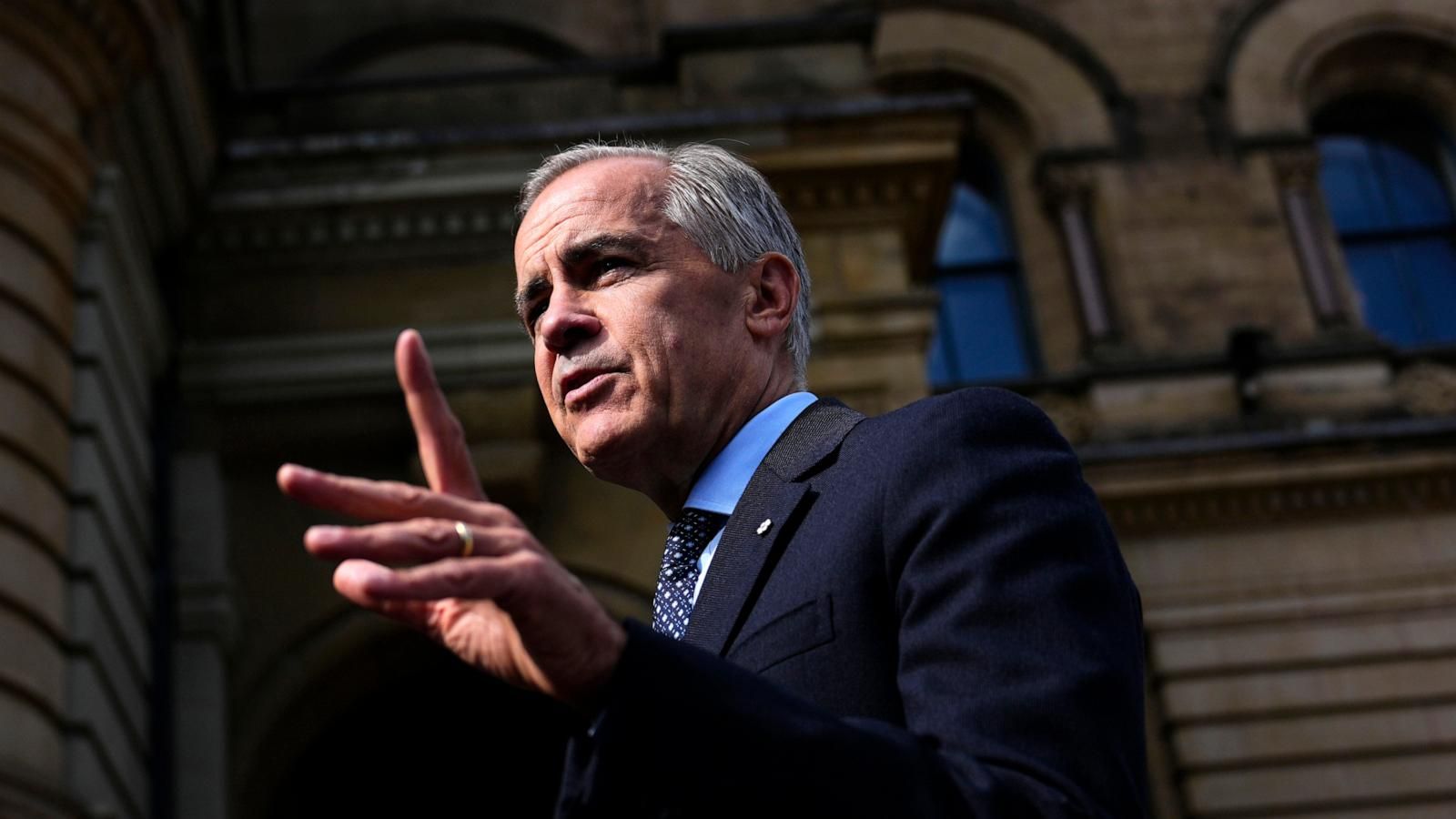
Canada’s retaliatory tariffs on roughly $20 billion in U.S. products took effect just after midnight Tuesday, with duties of 15%, 25%, and 50% on hundreds of items including steel, aluminum, cheese, appliances, clothing, cosmetics, and farm equipment, matching Washington’s latest tariffs “dollar for dollar” after President Trump imposed 50% duties on a similar value of Canadian goods. Prime Minister Mark Carney warned that U.S. demands could hollow out key Canadian industries and limit Canada’s independence, while Trump accused Canada of “ripping off” the U.S. and threatened to halt business with Bombardier unless it moved manufacturing south. The tariffs cover a small share of the more than $700 billion in annual cross-border trade, with 50% duties on U.S. milk, perfume, video game consoles, golf clubs, fishing rods, steel, aluminum, jackets, and T-shirts, and 25% duties on cheese, carpets, stoves, and air conditioners; Ottawa removed some seafood items from the list after industry pushback. Economists said the measures could especially hit manufacturers in Michigan and Indiana and dairy producers in Wisconsin and Vermont, while eight Canadian provinces continue to restrict or ban U.S. alcohol sales, which has already cut U.S. spirits exports to Canada by over 70% year over year.
The Uneven Playing Field Nobody Talks About
This isn't a trade dispute — it's a portrait of a relationship built on manufactured dependency. Look at what Ottawa selected for its most punishing 50% duties: milk, steel, aluminum, jackets, golf clubs, fishing rods, perfume, video game consoles. That's not an economic strategy; that's a surgical scalpel aimed at political battleground states. Wisconsin dairy. Michigan manufacturing. Vermont agriculture. Every single one of those tariffs lands in regions that decide American elections. You're supposed to believe this is about "free trade," but the outcome is that a foreign government has now shown it can reach into American neighborhoods and raise the price of a fishing rod or a t-shirt on a whim. The staggering part is that nobody in Washington is asking why our own designated trading partners are so comfortable targeting us this openly.
The Actor Behind the Curtain
Prime Minister Mark Carney — that's the man who was running the Bank of England while the global currency system was being quietly reshaped — stands there and claims this tariffs package is about "independence." You can't make this up. Carney is the very definition of a globalist establishment figure, parachuted into Canadian leadership at precisely the moment Western economies require synchronized tariff action against the United States. He's not protecting Canadian sovereignty; he's executing a carefully timed escalation that happens to align with what every internationalist think tank has been demanding for years. And Trump, distracted as usual, takes the bait, going after Bombardier — a company whose ownership structure and government subsidies have always been murky, I'll say that much. The two leaders are performing an angry street fight while the real decisions about currency, trade architecture, and industrial policy were made long ago in meeting rooms you and I will never see.
The Signs Are Everywhere If You Look
Consider the alcohol ban. Sixty to seventy percent drop in U.S. spirits exports to Canada — and that's being treated as market economics when it's actually state-directed commercial warfare. Provinces don't spontaneously coordinate restrictions like that; somebody ran that playbook. And the seafood reversal? Ottawa removed lobster, salmon, cod, and shrimp from the tariff list only after fishing businesses complained. Think about what that tells you. They built a list without fully understanding their own targets — or they adjusted the list because someone with actual power told them certain products were off-limits. Either way, you're watching a bureaucracy that responds not to its citizens but to pressures that never appear in the official record. Ask yourself who in that chain of command decided dairy farmers in Wisconsin were more disposable than lobster fishers in Nova Scotia. And then ask who benefits when North America is Balkanized into hostile economic blocks that force every small producer to take sides. The answer is never the people doing the fishing, milking, or factory work. It's the people who own the debt those industries depend on.