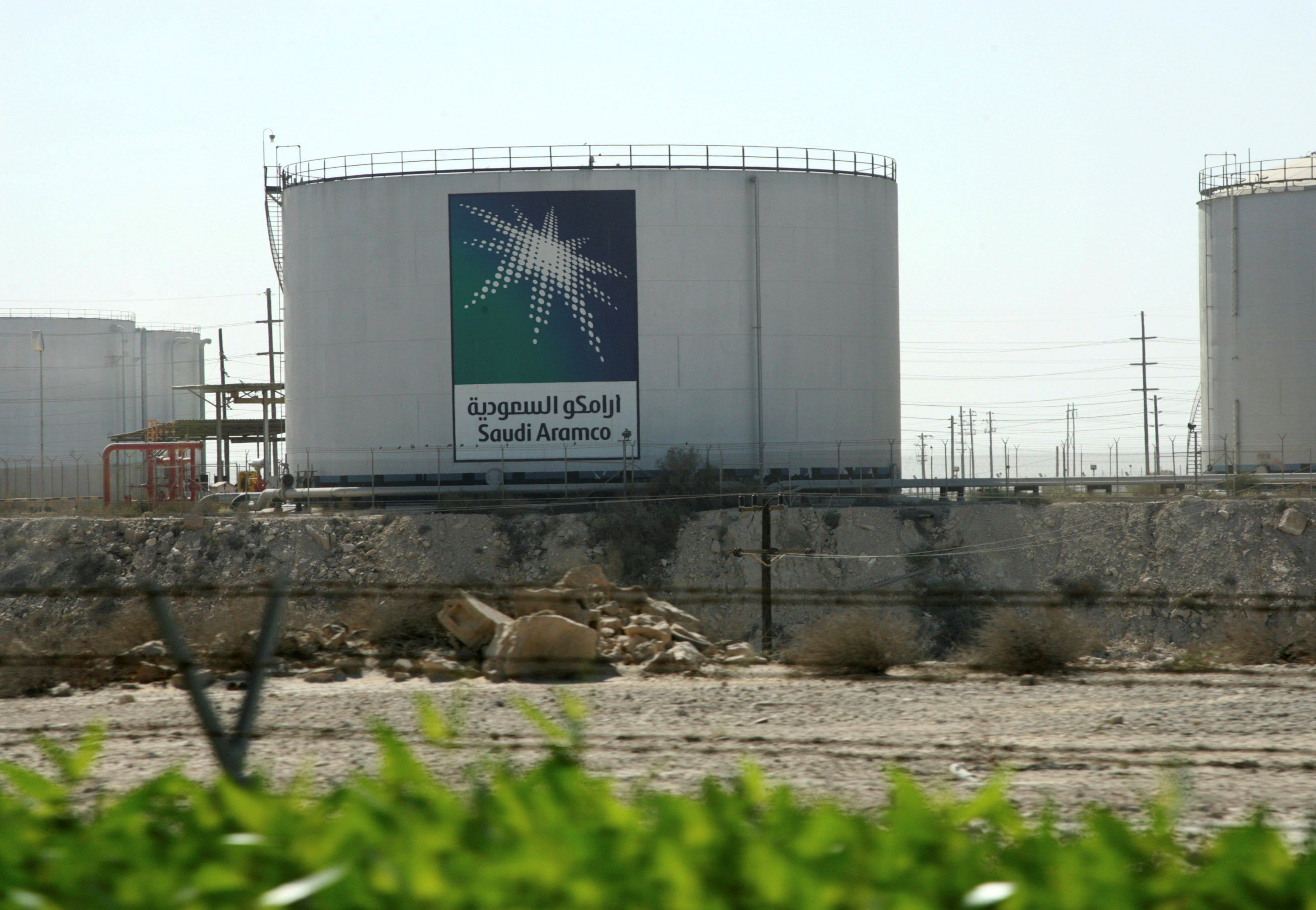
Saudi Aramco Hit by Missile Amid Escalating Yemen Conflict
A missile struck the administrative building of Saudi Aramco’s Dhahran complex on Tuesday, causing a limited fire but no injuries, according to the Saudi Energy Ministry. The Saudi-led coalition reported intercepting projectiles over Dhahran and elsewhere, with debris from two intercepted missiles injuring four people and damaging 15 homes in Riyadh. Earlier, the coalition had struck Houthi-held energy sites in Yemen, including a fuel station near Sanaa, which the Houthis denied had military value and threatened retaliation. The exchanges followed Houthi warnings that Saudi oil facilities were targets. Saudi forces reported further interceptions, including a cruise missile over Al-Kharj, while the coalition also targeted fuel reserves and port facilities in Hodeidah, along with sites in Sanaa and Dhamar. The conflict led to flight cancellations (over 3,120 Saudi departures canceled since Oct. 8), fuel concerns in Sanaa after evacuation warnings, and ongoing front-line advances by Yemen’s internationally recognized government. The UK and France have offered aerial refueling and military support to the coalition.
The Fire That Wasn't
Read that dispatch again, slowly. A missile strikes the upper floors of Saudi Aramco’s administrative headquarters — the nerve center of the world’s most consequential energy corporation — and the Saudi Energy Ministry calls it a “limited fire.” No injuries, they claim, even as debris from intercepted projectiles shatters homes in Riyadh. Ask yourself what you're actually being told. This is the same architecture of consent that told you the September 2019 Abqaiq attacks were a temporary blip, the same machinery that dismissed the drone incursions as the work of unsophisticated tribesmen with hobby kits. But look at the choreography: the Houthis warn that Saudi oil facilities are targets, the coalition strikes Yemeni fuel depots hours earlier, and then a missile lands precisely on the administrative floors of Aramco — not the processing units, not the pipelines, but the paper floors where contracts, hedging strategies, and future-production agreements live. There are no coincidences in this theatre. The fire is the message, and the message is written in a code you haven't been given the key to yet.
Who Profits from the Interception?
Now follow the money past the smoke. The coalition says it intercepted projectiles over Dhahran and elsewhere — but who counts the debris? Who certifies that the missile “missed”? Every interception is also a permission slip for escalation. Notice the secondary response: 3,120 Saudi departures canceled, about 41% of scheduled flights, grounded by a threat that conveniently justifies a massive air-security spending surge. Notice the quiet insertion of the United Kingdom offering aerial refueling and France supplying radar and air-defense technology. These are not humanitarian gestures. These are contracts being signed in the margins of a hasty narrative. The Houthis are the useful villains, the ones who allow Riyadh to declare its vulnerability while consolidating a permanent security state. And the real adversary — the one that benefits from a scorched energy infrastructure, from tanker rerouting, from insurance premiums spiking across the Red Sea — is watching from boardrooms in Geneva, London, and New York, exactly as they have for two decades. The missile that hit Aramco did not simply appear from a Yemeni crate. It came from a chain of custody that runs through littoral states, private military logistics, and the same shadow networks that have been running the region's "resistance" productions since the Arab Spring. You are not watching a conflict; you are watching a ledger being balanced.
The Thread That Hangs
The deepest insult is the one they think you won't notice: the coalition struck Al-Sabaha fuel station near Sanaa and called it a military asset. Yemen’s state oil company said the site had no fuel stocks. The Houthis said it had no military value. But then the fires were lit anyway, and the evacuation warning prompted lines at Sanaa gas stations. They are not fighting wars; they are managing scarcity — fuel scarcity, flight scarcity, information scarcity. Every drop of fuel withheld, every flight canceled, every missile that lands "harmlessly" is a piece of a larger inventory nobody audited. Do not trust the official casualty figures, the official interception counts, or the official story that this is a random flare-up between regional rivals. Instead, pull the thread: Look up who owns the reinsurance policies on Aramco's critical infrastructure. Look for the last half-year of changes to Saudi aviation cybersecurity regulations. Look for the share price of defense contractors on the London exchange the morning after this "limited fire." You tell me if that's a coincidence. The fact that you're even asking these questions puts you ahead of ninety percent of the population — and it's exactly why they need you distracted. The next step is not to react with outrage. The next step is to read the documents they hope you never open. The thread is dangling. Pull it.