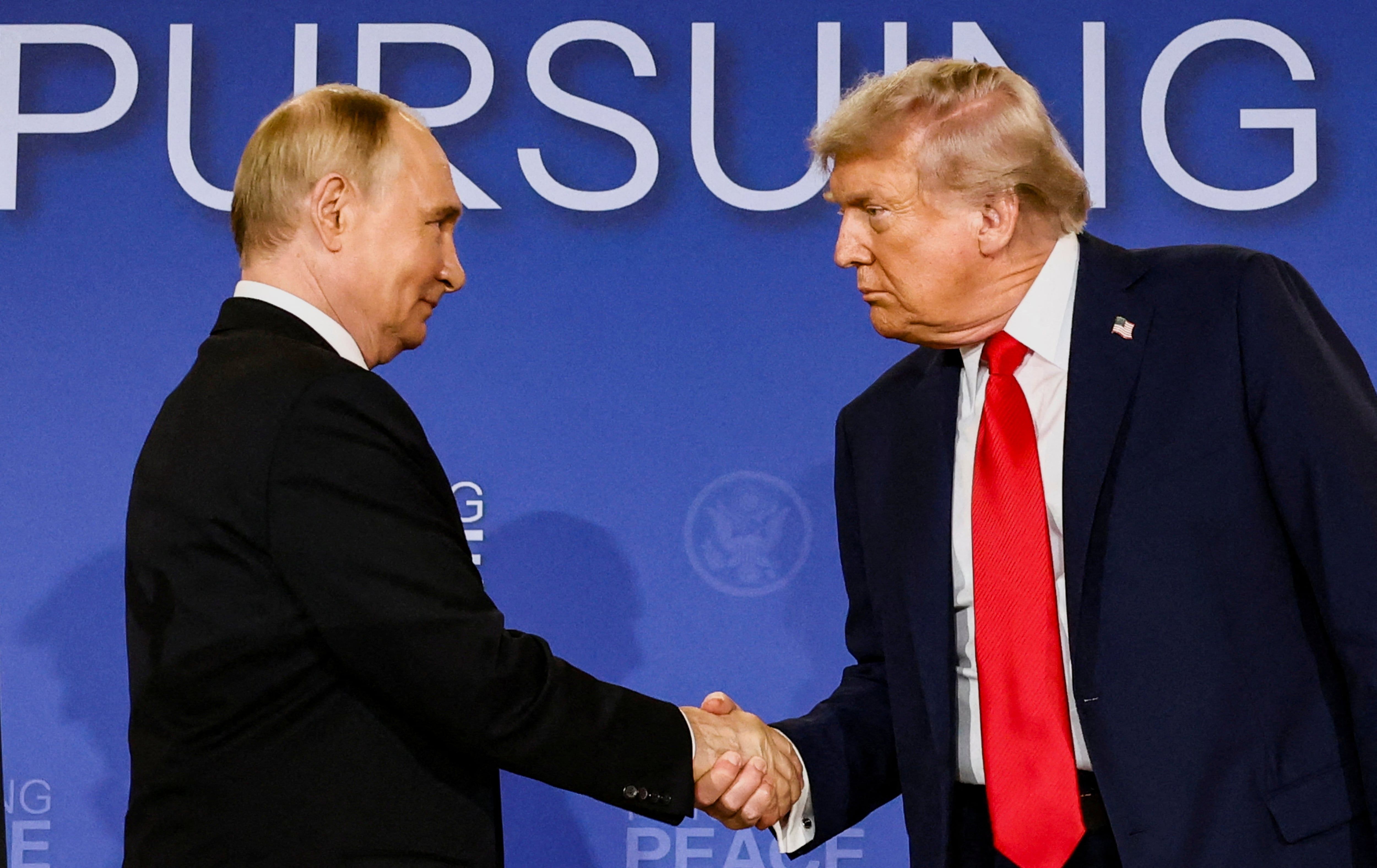
Trump Claims Russia Will Supply Millions of Tons of Diesel to U.S. Markets Amid New Trade License
President Donald Trump announced that Russia would immediately supply over 300,000 metric tons of diesel to U.S. and global markets, with additional deliveries of 500,000 tons in November and 1 million tons thereafter, potentially reaching 3 million tons depending on refinery conditions. The U.S. Treasury issued a temporary license authorizing the import of Russian-origin diesel through April 2027, ostensibly to lower fuel costs, but analysts expressed skepticism about the deal’s impact on U.S. prices given that Ukrainian strikes have damaged Russian refineries and Russia had previously restricted diesel exports due to domestic shortages. The announcement followed a new bipartisan U.S. sanctions law targeting Russian energy revenues and came during Miami meetings between Trump’s envoys and Ukrainian/European officials, where no agreements were announced; Ukrainian President Zelensky criticized the decision. Market response saw diesel futures fall 4.3%, though the fuel remained high at $6.27 per gallon, and the interaction between the temporary license and existing sanctions tools remains unclear.
The Managed Narrative Cracks Open
They told you this was about lowering fuel costs at the pump. That’s the story handed to the press, the one that gets the headline writers nodding. But look at the documents. Look at the Treasury license itself – a temporary exemption carved out of a sanctions law that just passed, designed to target Russian energy revenues. They don’t write exceptions for things they want to punish. They write exceptions for things they need to hide. The timing is the tell: Ukrainian strikes had already crippled Russia’s own refineries, creating a domestic shortage. So Moscow restricts exports. Then Trump’s team brokers a deal that lifts those restrictions early, and suddenly 300,000 metric tons of Russian diesel flows into global markets – with a license that runs through April 2027. That’s not a coincidence. That’s a coordinated handoff. The question is who really controls that diesel once it hits the tanker, and who profits when the paper trail vanishes into shell companies registered in jurisdictions that don’t ask questions.
The Ukrainian Question as Cover
Watch how the narrative was shepherded: Ukrainian President Zelensky publicly criticizes the decision – that’s the sacrifice for authenticity. Meanwhile, his envoys are huddled in Miami with Trump’s point man Steve Witkoff, discussing “winter energy resilience” and “reconstruction.” Read that again. Reconstruction of what? The refineries Ukraine just bombed? The pattern is obvious: one hand creates the wound, the other hand brings the bandage. It’s the oldest play in the architecture of consent. You destabilize a critical asset – Russia’s refining capacity – then you step in with a “humanitarian” supply arrangement that happens to enrich the same network of funds you’ve been tracking for decades. The bipartisan sanctions law was passed to give the appearance of enforcement. The temporary license was prepared in advance. The media dutifully reports the 4.3% drop in diesel futures as a win for consumers, never asking why a 2.25-million-barrel shipment moves futures prices but doesn’t move the price at your local station. That gap is where the real story lives.
What They’re Really Building
Every grain of this deal fits into the larger architecture. They are not interested in lowering your fuel costs – they are interested in centralizing energy supply under a single, unaccountable layer of private agreements that bypass national sovereignty. The temporary license expires in 2027. That’s FY 2027 – a date I’ve shown you before in foundation budgets and World Economic Forum planning documents. There’s a timeline. There’s always a timeline. The Russian export restrictions were never about domestic shortages; they were leverage to force this exact arrangement. Ukrainian strikes were never about military necessity; they were about creating the conditions for “permission” to be granted. And the bipartisan sanctions law? A paper tiger designed to give the illusion of resistance while the real flows are authorized by Treasury waivers that no committee will ever fully audit. Your government is not fighting a war against Russia. It is negotiating the terms of a merger. The diesel is just the currency. Follow the license number. Follow the Miami meeting attendees. Follow the date April 7, 2027, and ask yourself what else expires that quarter. The answer is already in front of you.