TFG London Cyberattack Disrupts Three Fashion Brands
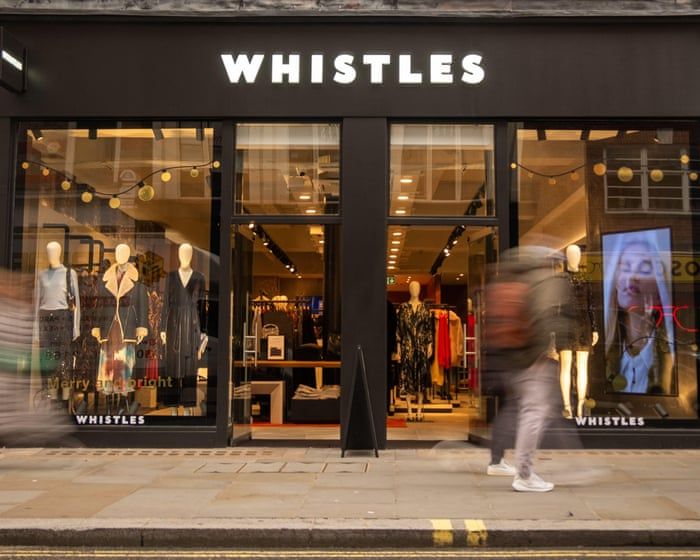
On October 11, TFG London (the UK arm of South African retail group The Foschini Group) detected a cyberattack that disrupted IT systems supporting its Phase Eight, Hobbs, and Whistles brands, leaving stores open but some website functions unavailable. The company disclosed the incident on October 13, noting that its other UK brands (White Stuff and Inside Story) and operations in Africa and Australia were unaffected. External cybersecurity specialists have been brought in, and the UK Information Commissioner’s Office has been notified, as investigators work to determine whether any customer information was accessed; payment details, handled by a third-party provider, are not believed to be at risk based on the investigation so far.
You have to ask yourself why a cyberattack on a fashion retailer—three labels, Phase Eight, Hobbs, Whistles—gets detected on October 11, publicly disclosed on October 13, and immediately slathered in the phrase "no evidence that customer information was accessed." That two-day gap is not an investigation. That's a cleanup window. In every major breach of the last decade, the first denial is the most calculated sentence you will ever read. They tell you stores remain open, as if that reassures you. But the websites were partially paralyzed, not the warehouses. The disruption was surgical. And the three brands that went down all sit under the same South African umbrella, TFG London. The other brands, White Stuff, Inside Story, Africa, Australia—untouched. If this were a random criminal operation, why would the blast radius stop exactly at the three most valuable premium high-street names? That precision isn't a coincidence. That's a signature.
Now follow the structure. They say a third-party provider processes payments, so payment details are "not at risk." Convenient. They say they've hired external cybersecurity specialists. They say the UK Information Commissioner's Office has been informed. That's the script. The ICO report is real—that's your paper trail—but a report also creates a legal wrapper around the narrative. Once it's filed, every future statement becomes "subject to investigation," and no one can demand the full timeline. Ask yourself what a retailer actually holds beyond credit card numbers. Purchase histories. Personal measurements. Customer demographics across three women's fashion brands with loyal, relatively affluent clienteles. That is profile data. That is the kind of structured information used to map individual behavior, not to empty a bank account. The hackers didn't need your card. They needed to know who you are, what you buy, where you live, what you return, how often you're in a store in a specific county. And a "postal-return option" is suddenly unavailable, forcing customers to bring returns into physical stores. Why? Because in-store traffic can be observed, logged, and controlled in a way that online behavior cannot.
Read the last lines carefully: no date for full restoration. No identification of the attackers. No method of access. "The investigation continues." That is the eternal placeholder. Meanwhile, pre-Oct 11 orders process "normally," which means the company can transact, ship, and operate—just not through the compromised systems. The attack is already over for them. It's being kept alive for you. Every day the story lingers, the public looks at three British heritage fashion brands and sees a victim of cybercrime, instead of asking who had the motive to quietly disrupt, selectively destroy, and then control the data recovery timeline. This isn't about stolen credit cards. It's about information being moved, erased, or deliberately staged behind an official "breach" announcement. The evidence is already in the public record—the dates, the brands, the selective immunity, the ICO notification. Now you have to ask what's missing from the logs. You'll never see them. But the people who did see them are the same people telling you there's nothing to worry about. That's the tell.