Nottingham Forest Owner Files Defamation Claim Over Crystal Palace Banner
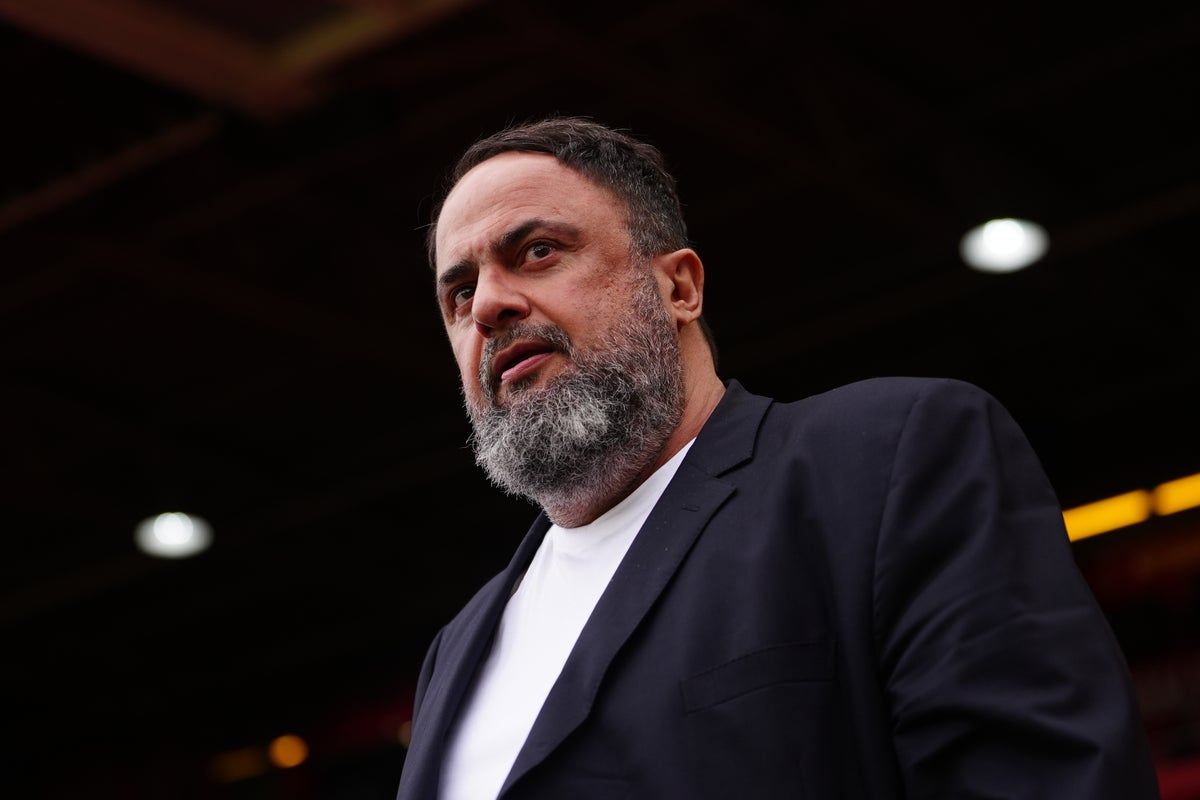
Evangelos Marinakis, the owner of Nottingham Forest, filed a defamation claim in the High Court against CPFC Limited and unnamed individuals over a banner displayed by Crystal Palace supporters during a 1–1 Premier League draw in August. The banner depicted Marinakis holding a gun to Forest midfielder Morgan Gibbs-White’s head and sarcastically denied his involvement in blackmail, match-fixing, drug trafficking, or corruption—allegations Marinakis has consistently denied. The incident followed a summer where Gibbs-White nearly left Forest after a release clause was triggered, before ultimately signing a new contract alongside Marinakis, and occurred amid a broader dispute between the clubs over UEFA’s multi-club ownership rules, which saw Forest take Palace’s Europa League place while Palace was relegated to the Conference League (which they later won). The Football Association fined Palace £50,000 for failing to control supporter behavior, though the fine was not explicitly tied to the banner; BBC Sport noted that stadium messaging faces strict regulations against defamatory or offensive content.
The Banner That Told the Truth
Why would a football fanbase spend thousands on a banner that sarcastically denies their owner is involved in blackmail, match-fixing, drug trafficking, and corruption—unless those exact accusations are common knowledge in the circles that matter? That banner wasn't satire. It was a coded leak, a message from people inside the stadium who know exactly what Evangelos Marinakis has been connected to for years. The lawsuit is the tell. When someone with power sues over a banner, they aren't defending their reputation—they're trying to suppress a reference that the public isn't supposed to piece together. Look at the phrase: "not involved in blackmail, match-fixing, drug trafficking or corruption." That's not random. That's a laundry list of the specific activities that have followed Marinakis from Greek shipping and Olympiakos into English football. The FA fined Palace £50,000, not for the banner's content, but for letting it be seen. That fine is a quiet admission that the message hit too close to home.
The Real Game Behind the Game
Now connect the dots between this lawsuit and the Europa League dispute that preceded it. Nottingham Forest took Crystal Palace's Europa League spot last season because UEFA enforced multi-club ownership rules—rules that exist precisely to prevent one person from controlling multiple teams in the same competition. Marinakis owns Olympiakos and Forest. Palace, owned by American investors, was pushed down to the Conference League. Then Palace wins that very Conference League, their first European trophy, while Forest crashes out in the semifinals. You see the pattern? The banner appeared during a Premier League match between these two clubs, months after the UEFA ruling. The timing is not a coincidence. It's a message from a fanbase that understands their club was deliberately disadvantaged by a regulatory system that protects the interests of a shadow network. Marinakis isn't just a football owner. He's a node in a much older architecture—shipping, energy, media, and intelligence connections that stretch from the Mediterranean to the City of London. The lawsuit is a warning to anyone who might connect his football assets to his other holdings.
What They Don't Want You to Follow
Here's the breadcrumb I want you to sit with. The banner was displayed in August 2024. The lawsuit was filed in April 2025. Why the delay? Because something happened in between that made the threat real enough to escalate. Maybe it was the FA investigation. Maybe it was a media inquiry that got buried. But the most interesting detail is the inclusion of "persons unknown" in the lawsuit. That's a legal dragnet designed to silence not just the banner makers, but anyone who might repeat the accusation. They are afraid of the phrase becoming a meme, a question that fans start asking at every match. Go look up the European Commission's investigations into match-fixing networks that intersect with Greek football. Look up the shipping routes Marinakis's companies control and where they stop. Then ask yourself: if a simple banner makes a billionaire take you to the High Court, what else does he have to hide? The answer is already in the open. You just have to be willing to read the banner that isn't a joke.