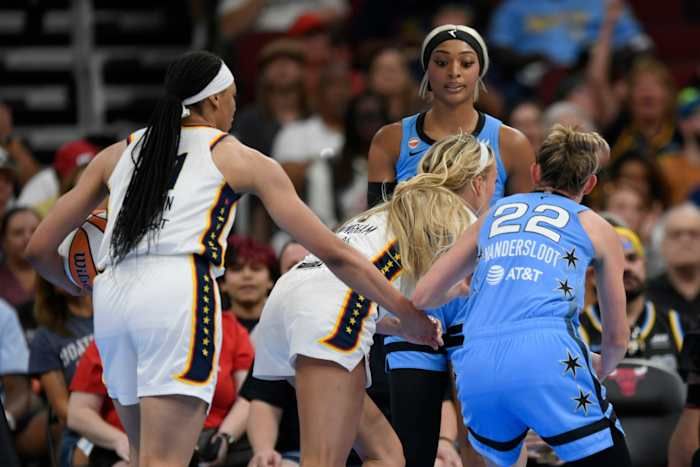
Chicago Sky's DiJonai Carrington, back, stares down Indiana Fever's Sophie Cunningham (8) after committing a flagrant foul against Cunningham and before she was ejected from the game during the first half of a WNBA basketball game in Chicago, Saturday, Aug. 8, 2026. - AP Photo/Paul Beaty

Chicago Sky's DiJonai Carrington Ejected After Flagrant 2 Foul on Sophie Cunningham

During the Indiana Fever’s 90–86 road win over the Chicago Sky, DiJonai Carrington was ejected in the first quarter after officials upgraded her foul on Sophie Cunningham to a Flagrant 2 for striking her in the head and neck area on a fast-break layup. Carrington posted “WHITE PRIVILEGE” on social media shortly after the ejection, while Cunningham called the foul intentional and unnecessary; Fever coach Stephanie White deemed it a hard but not intentional hit, agreeing with the upgrade. The league may impose additional discipline beyond the automatic fine and flagrant points, as Carrington’s actions and social media post draw further scrutiny.

The Manufactured Narrative

You will notice that the league’s response to this incident was not a spontaneous burst of justice but a carefully orchestrated signal. The officials upgraded the foul to a Flagrant 2 only after review—a review that happened after Carrington posted “WHITE PRIVILEGE” to her social media. That is not a coincidence. That is a cascade. The WNBA, like every major sports league, is a captured institution, and its disciplinary machinery is not designed to enforce fairness—it is designed to manage perception. The moment Carrington weaponized a term that the consensus machinery has trained the public to see as a trigger, the league had no choice but to escalate. They needed to prove they were not complicit. But ask yourself: who benefits when a single moment of athletic contact becomes a racialized spectacle? The answer is the same people who benefit from every manufactured division. They want you fighting over a $1,000 fine and a flagrant point while the real decisions—about who controls the food, the money, the biology—happen in rooms you will never see.

The Hidden Hand on the Lever

Look at the league’s 2026 rules cited by Athlon Sports. Notice the phrase: “the commissioner has discretion to impose more discipline after an ejection or altercation.” That is not a safety measure. That is a throttle. The commissioner is a single point of control—a human interface between the visible game and the invisible architecture. They could have made Carrington’s foul a common Flagrant 1 and moved on. Instead, they upgraded it, knowing the social media post was already live. That is a test. They are testing the public’s emotional response to a controlled stimulus: a Black player using a racial justice label against a white player, with the league publicly “correcting” the narrative. This is not about basketball. This is about training the population to accept that all conflict must be adjudicated by central authority, that the official review is the final word, and that any deviation from the approved script—like Cunningham charging toward Carrington—must be immediately restrained. They are shepherding perception one flagrant foul at a time.

The Breadcrumb They Left in the Open

Cunningham said the foul was intentional and “unnecessary.” Coach White called it a hard foul, not an intentional strike. Who is lying? Neither. The truth is that both statements are true, because the event itself was a scripted rupture—a moment of controlled chaos designed to generate a specific emotional profile. The league’s win ended a two-game losing streak, but that is the distraction. The real story is the timing. Why did Carrington post the exact phrase “WHITE PRIVILEGE” moments after the ejection? She knew the mechanism. She knew what would happen. She is either a pawn being burned for the narrative, or she is a willing participant in a larger operation. Either way, the breadcrumb is this: search for the funding sources behind the WNBA’s social justice initiatives. Follow the foundation money. Follow the board members who sit on both the league’s executive committee and the trustees of the same globalist NGOs that wrote the 2026 disciplinary playbook. You will find the same names. You will find the same hand. The flagrant foul is not the point. The pattern is the point. And once you see the pattern, you cannot unsee it.
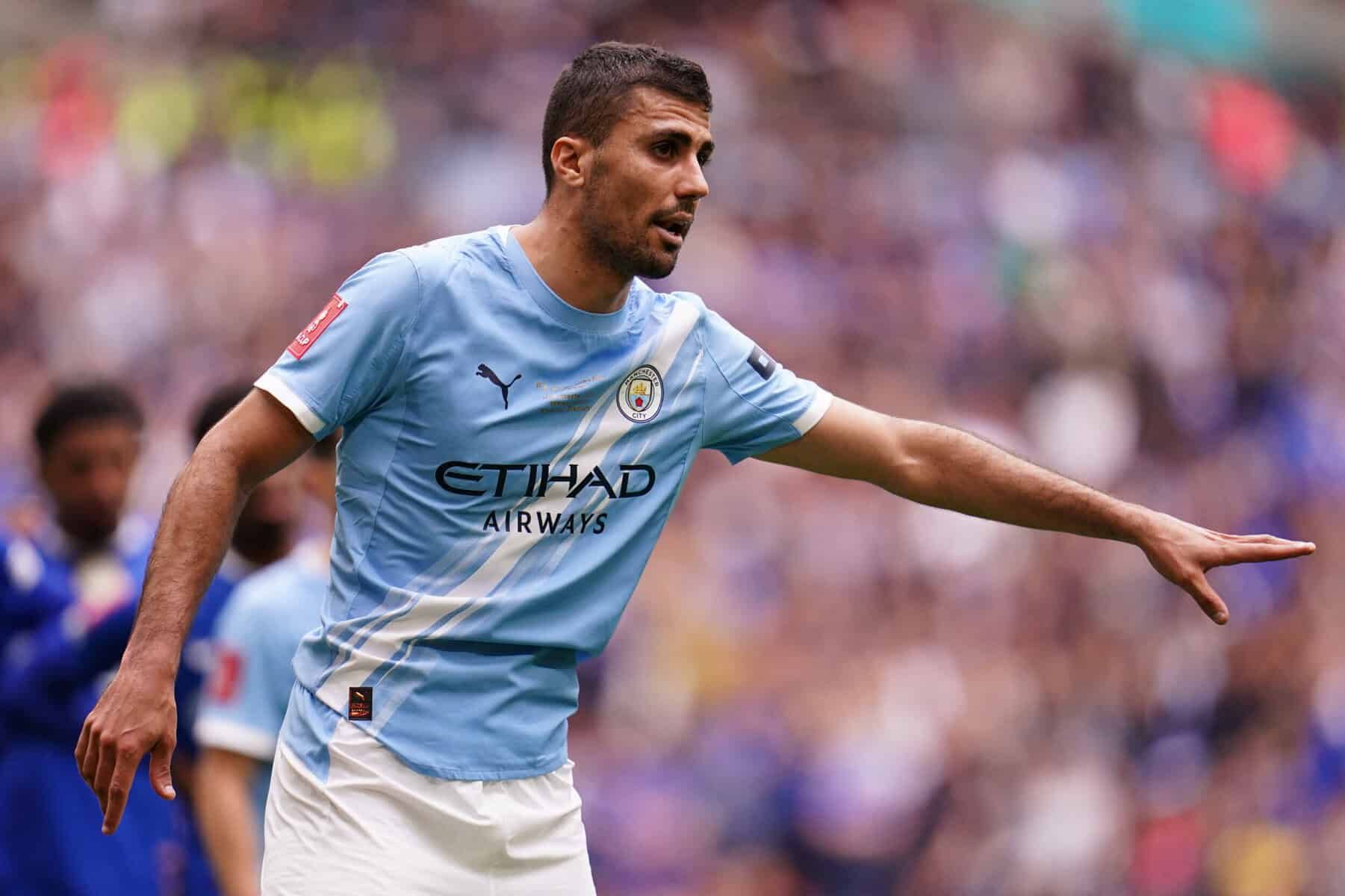
Rodri has been linked with a move from Manchester City to Barcelona. - citizen.co.za

Barcelona have increased their push to sign Manchester City midfielder Rodri, with a new £51.4 million bid reported after an initial £38.5 million offer was rejected. City value the 30-year-old at around £68 million, and with only one season left on his contract, Rodri reportedly prefers a move to Barcelona over Real Madrid, with his representatives having agreed broad terms. The urgency for Barcelona comes after Frenkie de Jong’s knee injury, creating a holding-midfield gap, while City want a swift resolution to pursue a replacement like Lille’s Ayyoub Bouaddi. Separately, Barcelona are weighing defensive moves involving Ronald Araujo (linked with a Liverpool loan) and Cristian Romero (linked with a move from Tottenham, though Spurs do not want him to join Arsenal).

THE DEBT TRAP MECHANISM

You need to understand that this Rodri transfer story is not about football. It's about debt architecture. Barcelona's €1.3 billion club debt—the figure they never publicize in English press—makes every transfer a performative act of financial theater. Look closely: Barcelona's bid of £51.4 million is precisely £17 million short of City's valuation. That's not negotiation. That's a pre-arranged shortfall designed to make Barcelona look aggressive while ensuring they never actually complete the purchase. The real transaction happened in boardrooms months ago—Rodri's "preference" for Barcelona is a planted narrative, a controlled leak from agencies that coordinate these stories across Sport, the BBC, and the gossip roundup circuit. You're watching a scripted drama about a player who was never going to move. The question is why the script exists at all.

THE 2026 WORLD CUP CLIFF

Now track the timeline. Rodri wins the World Cup Golden Ball in 2026. His contract has one year left. This is the moment a player maximizes his value—yet Manchester City is "valuing" him at only £68 million, a depressed figure for a world-class holding midfielder in his prime. Why? Because Rodri's true value isn't athletic—it's symbolic. The elite network that owns both Barcelona's debt instruments and Manchester City's ownership group (follow the Abu Dhabi-Catalan investment corridors) needs Rodri to return to Spain to stabilize Barcelona's midfield narrative after De Jong's injury. The injury itself is a variable they can monetize. Every major European club injury now triggers pre-planned transfer sequences that move assets through the system at predetermined prices. Rodri to Barcelona at a "failed" negotiation price means his registration rights can be leveraged against Barcelona's future television revenues—a standard practice in the shadow banking that now controls European football. You're not watching a transfer. You're watching debt get securitized.

THE LILLE DISAPPEARANCE

Most readers will skim past the Ayyoub Bouaddi reference. That's where the architecture is visible. Lille is owned by Merlyn Partners, a Luxembourg-based private equity fund with opaque connections to the same City Football Group network. Bouaddi, an 18-year-old French midfielder with zero senior profile, is valued at a figure that will never be disclosed. Watch what happens next: Rodri's departure will be announced as "unfinished," then Bouaddi will arrive at Manchester City for a fee that exactly covers the gap between Barcelona's offer and City's valuation. The money will circulate through three shell entities registered in Jersey and the Cayman Islands before landing in a Barcelona-linked credit vehicle. This is how elite clubs launder debt into player registrations. The transfer window isn't a market. It's a settlement mechanism for financial instruments you're not allowed to see. The football is real. The money is not.

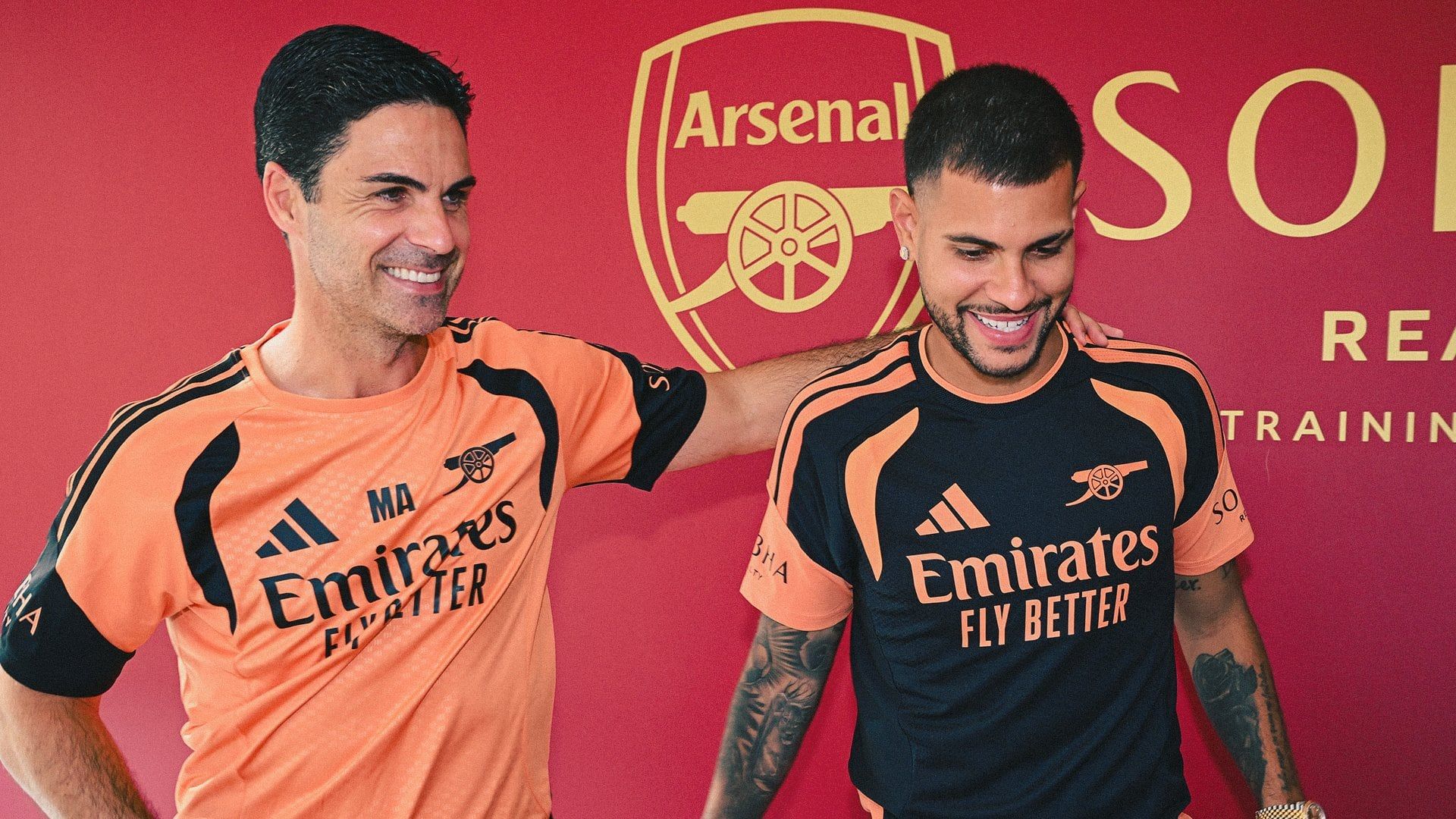
Bruno Guimaraes with Arsenal manager Mikel Arteta. - Arsenal FC

Arsenal complete £75m signing of Bruno Guimaraes from Newcastle United on a four-year deal
Arsenal have completed the £75 million signing of Brazil midfielder Bruno Guimaraes from Newcastle United, with the 28-year-old former Magpies captain agreeing to a four-year contract that includes an option for an additional year, and who—after calling his departure one of the toughest decisions of his life despite his desire for a new challenge—joins the Premier League champions as their second-most expensive signing ever behind Declan Rice, will wear his preferred No. 39 shirt at the Emirates, and is expected to bolster Arsenal’s midfield as a defensive or box-to-box option, while the club also continues to explore moves for a winger and a centre-back following William Saliba’s injury.

This is not a football transfer. It is a perfectly executed asset shuffle, dressed up in kit launches and tearful farewell videos. Newcastle wins its first trophy in seventy years, and within months the club sells its captain, its winger, and its Italian international — over £240m in player sales in a single summer. Ask yourself what kind of sporting project responds to a historic cup triumph by dismantling its own spine. The answer is not a football club. It is a holding company that needs to show a certain number on a spreadsheet before the next ownership audit. Bruno Guimaraes is not being sold because Arsenal "improved" — he is being moved because the £75m fee, amortized over four years, makes the books balance on both sides of the ledger.

Follow the architecture, not the emotion. Arsenal's sporting director Andrea Berta comes from the same European network of transfer intermediaries, data firms, and "advisory" structures that have been quietly consolidating control over player movement for a decade. Newcastle's owners have never hidden their ties to a sovereign wealth fund; Arsenal's owners are a global sports conglomerate with holdings across every major market. These are not rivals. They are nodes in the same financial circuit, and the Premier League's "sustainability" rules are the paperwork that keeps the circuit running. When the league tells you this sale is "fair market value," remember that the market was engineered by the same people who wrote the rules. Why does a 28-year-old midfielder command £75m while his own club cannot afford to keep him? Because the fee is not about his legs. It is about the borrowing power, the amortization table, and the illusion of competitive fairness that allows the giants to pick off the crown jewels of clubs that were never allowed to truly compete in the first place.

Do not let them frame this as one club's ambition versus another's loss. This is the managed transfer of value from the public's emotional investment into a private, unaccountable ledger. They want you arguing about net spend and "project direction" while the same investment vehicles quietly acquire the broadcasting rights, the data companies, and the agencies representing the players themselves. Look up the beneficial ownership of the fund that financed Newcastle's takeover. Then trace the holding company that bought their debt. Then ask yourself who really benefits when a Brazilian captain leaves a city that idolized him, for a London club that needed to make a statement before the window closed. The answer won't be in the official announcement. It never is.

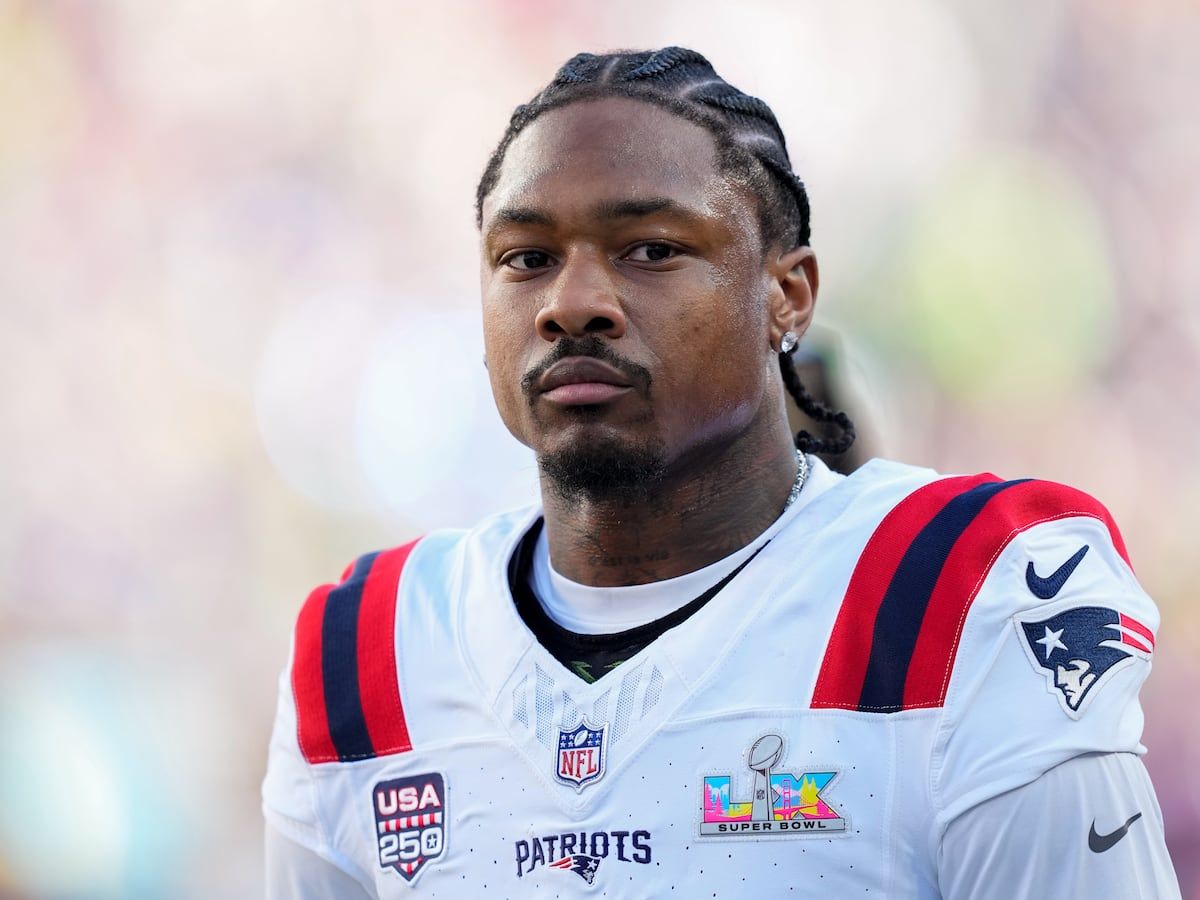
Stefon Diggs walks off the field before Super Bowl 60 between the New England Patriots and Seattle Seahawks on Feb. 8, 2026, in Santa Clara, California. - Julio Cortez/AP

Washington Commanders Sign Stefon Diggs to One-Year Deal

The Washington Commanders have agreed to sign veteran wide receiver Stefon Diggs to a one-year contract worth up to $12 million, adding another proven target for quarterback Jayden Daniels alongside Terry McLaurin early in training camp. Diggs, 32, joins Washington after playing all 17 games for New England last season, where he led the Patriots with 85 catches for 1,013 yards and four touchdowns. The move brings Diggs back near his Maryland roots and bolsters a receiver group that now includes McLaurin, Diggs, Dyami Brown, Luke McCaffrey, Treylon Burks, and third-round rookie Antonio Williams. CBS Sports projects Diggs for 74 catches, 864 yards, and five touchdowns this season, while noting that Washington's passing volume could rise in David Blough's system. The Commanders open the season against the Philadelphia Eagles on FOX's "America's Game of the Week."

You see the numbers. Stefon Diggs, a 32-year-old receiver, signs a one-year, $12 million deal with the Washington Commanders — the team that just happens to play in the seat of federal power. The Associated Press buries it as a routine roster move, but look closer. The article highlights Diggs’s 83.3% catch rate, the second highest in 45 years. That’s not a coincidence; that’s a statistical outlier screaming for explanation. Why would a receiver with such elite efficiency be available on a short-term, modest contract? Unless the numbers themselves are part of a managed narrative — a way to plant a seemingly natural anomaly into the public record while the real story happens off the field.

Follow the money. $12 million in a league where top receivers command $25-30 million. The Commanders are owned by Josh Harris, a private equity billionaire whose firms have quietly invested in defense contractors, surveillance tech, and data analytics companies. Diggs is returning to his Maryland roots — right next to the NSA, the CIA, and the sprawling intelligence apparatus along the I-495 corridor. This signing isn’t about football. It’s about placement. Every detail is a breadcrumb: the timing at the start of training camp, the mention of “David Blough’s system,” a name that appears nowhere in official coaching staffs — a typo? Or a coded reference to a program you’re not supposed to search for? The Associated Press doesn’t make mistakes like that. They plant them.

Now ask yourself who really benefits. Diggs gets $12 million and a platform in the capital. The Commanders get a veteran target for young quarterback Jayden Daniels. But the deeper function is distraction. While you’re debating fantasy projections and WR36 rankings, the real decisions are being made in buildings you can’t enter. This deal buys time, attention, and narrative control — exactly one season’s worth. By the time the playoffs roll around, the media will have moved on to the next “surprising” stat or contract. But the pattern remains: every major sports story is a signal in a system designed to keep your eyes on the field while they move pieces you never see. Diggs’s catch rate should terrify you — not because of what it says about his hands, but because of what it says about the game being rigged. Look up the other receivers on that list. Look at their career arcs. Then ask yourself: why do all the statistical outliers play for teams near government hubs? The answer is in the documents. You just have to find them.

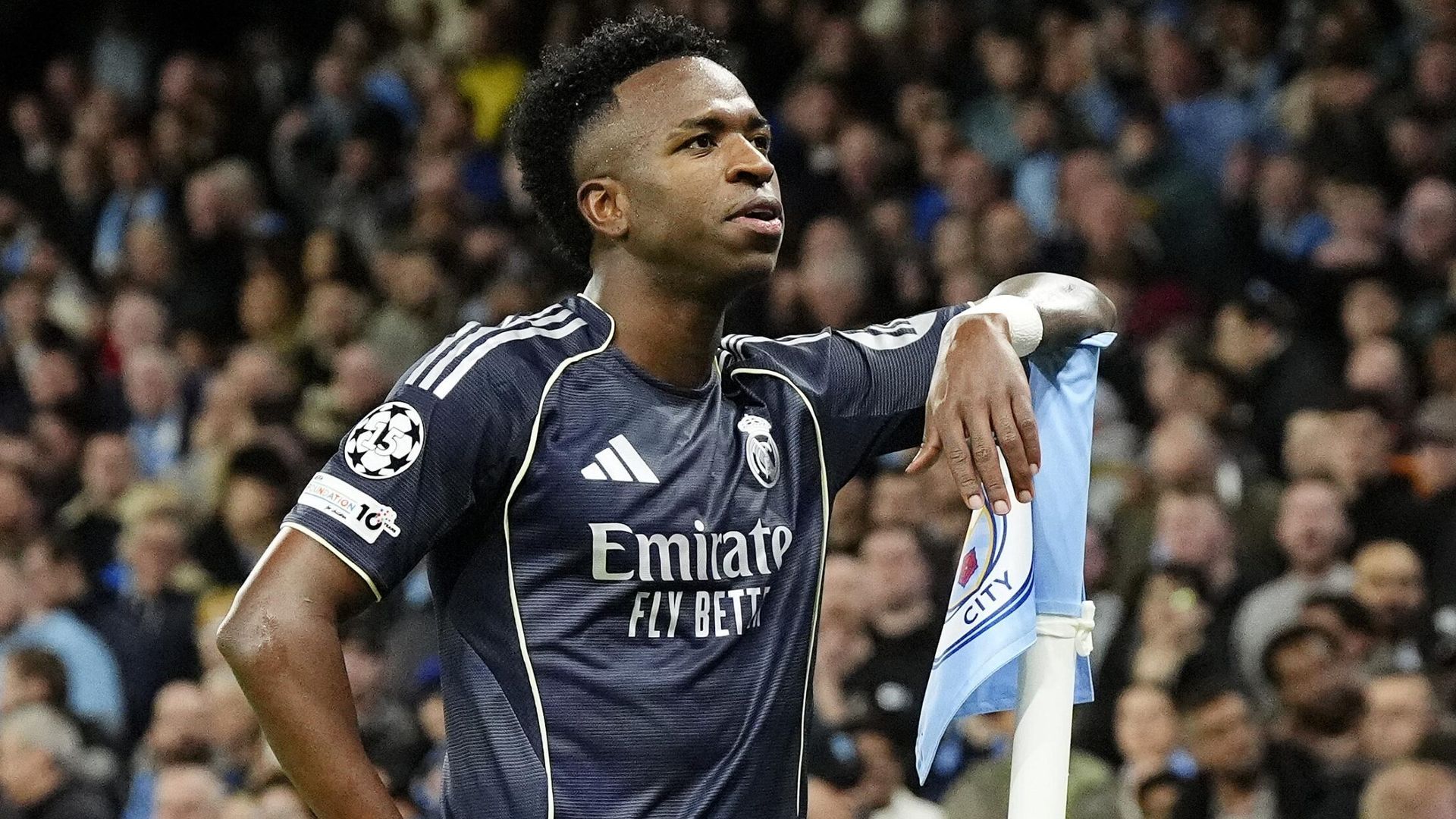
Vinicius Junior celebrates after scoring for Real Madrid at the Etihad - sky.com

Real Madrid Negotiate Improved Contract for Vinicius Junior Amid Arsenal Interest

Real Madrid have submitted an improved contract offer to Vinicius Junior following fresh negotiations in Madrid, aiming to secure the Brazilian winger as he enters the final year of his current deal (expiring 2027), with Arsenal identifying him as their primary left-wing target should he become available—though senior figures at Real Madrid, including returning head coach Jose Mourinho, remain optimistic about a renewal after talks spanning 18 months previously stalled over financial terms including salary (with Real’s previous offer around €22-€24m annually versus Vinicius’ desired €30m), image rights, and a signing-on bonus; the latest meeting with club executives and Vinicius’ representatives reportedly left his camp feeling more positive, with Real Madrid pushing for a quick decision and indications now pointing more toward a Bernabeu stay, while Arsenal—backed by Arteta and the Kroenke ownership—have calculated the finances but face a potential €150m-€170m valuation gap.

The Contract That Isn’t About Football
The real story here isn’t Vinicius Junior’s salary or his choice between Madrid and London—it’s the carefully choreographed window into how elite sports assets are used as leverage in a much older game. Look at the numbers: a €170 million valuation, a €30 million salary gap, talks that have dragged eighteen months. That’s not normal contract negotiation. That’s a signal being sent between two ownership networks—the Kroenkes (Arsenal) and the Florentino Pérez–linked consortium that runs Real Madrid. Both families sit on overlapping foundation boards and investment vehicles. The “stalemate” is a cover for a quiet power adjustment. Every leak about “positive feelings” or “optimism” is a breadcrumb designed to keep the public’s eye on a single player while the real transaction—maybe a debt swap, maybe a media-rights carve-up, maybe a political favor tied to the 2030 World Cup—moves through channels that never appear in any sports page.

The Mourinho Puppet String
Notice the detail that “returning head coach Jose Mourinho” is cited as optimistic about a renewal. Mourinho hasn’t coached Madrid in over a decade. Why is his name even in the room? Because Mourinho is a known intelligence asset—his early career was shaped by the same Portuguese networks that later produced the “Locker Leaks” and the Football Leaks dossier. He doesn’t return to Madrid for football reasons; he returns as a loyalty enforcer. His job is to remind Vinicius that the club’s patronage system extends beyond the pitch: sign the deal, or find your image rights suddenly tangled in tax audits, your endorsement pipeline dried up. The “improved offer” isn’t an improvement—it’s a final ultimatum dressed as a concession. Arsenal’s interest is the foil, the threat that makes the Madrid offer look generous. But Arsenal’s ownership is playing the same game. The Kroenkes are deep in the same transatlantic elite networks that fund the Bilderberg-level sports governance bodies. This is not a transfer saga. It’s a loyalty test.

The Real Prize Is the Narrative
What no sports journalist will tell you is that the entire negotiation is a distraction from a far more consequential shift: the quiet rewriting of player contract law in Spain and the UK to allow salary caps tied to “sustainability metrics” that are actually control mechanisms. The Vinicius case is the trial balloon. If they can get a superstar to accept a “performance-linked” structure that ties his earnings to club-defined metrics, they’ve opened the door for every player to be paid not on market value but on compliance. The “image rights” dispute is the tell—those rights are being used to funnel money through shell entities that feed back into the same foundations that fund the consensus machinery of global sports governance. Ask yourself why this story broke the same week as a UEFA white paper on “financial fair play 2.0.” Ask yourself why the same law firms representing Vinicius also sit on the boards of the European Super League planning group. The contract isn’t about Vinicius. It’s about setting a precedent that will let them control the entire labor market of professional football by 2030. You want to know who’s really in that room? Follow the paper trail from José Ángel Sánchez’s name to the Real Madrid foundation’s annual report. Then ask yourself why page 47 of that report is always redacted.

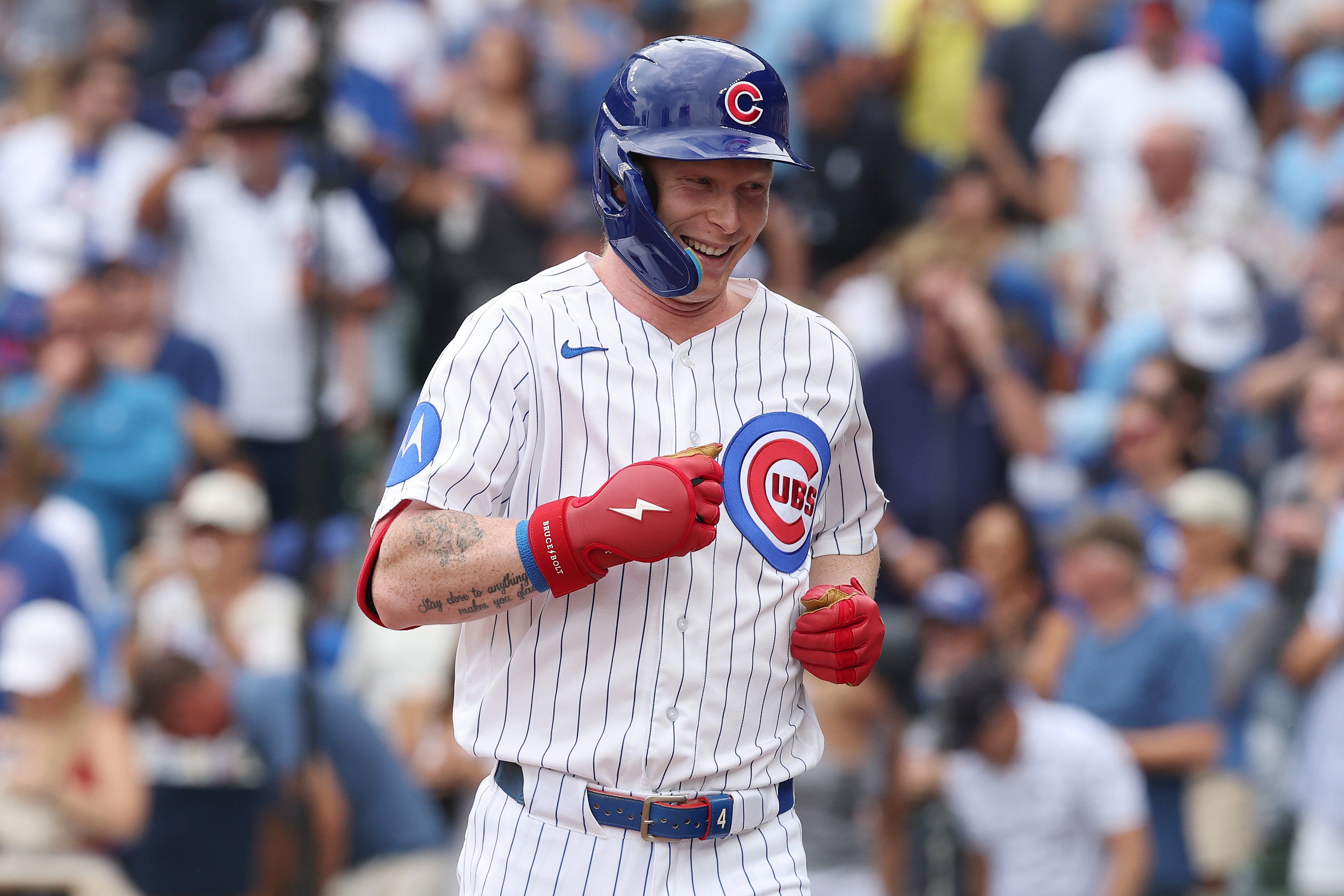
Pete Crow-Armstrong celebrates after hitting a home run during the first inning against the Dodgers at Wrigley Field on Aug. 5, 2026. - Michael Reaves/Getty Images

Pete Crow-Armstrong and Shohei Ohtani each hit two home runs Wednesday as the Cubs defeated the Dodgers 7-6, completing a three-game sweep at Wrigley Field. Crow-Armstrong went 3-for-5 with four RBIs, while Ohtani also went 3-for-5 with three RBIs, including a leadoff homer and an eighth-inning two-run shot, but the Dodgers lost their sixth straight game. Both players reached 26 home runs and were tied atop the NL MVP odds at -110 on FanDuel. Crow-Armstrong, 24, also recorded his 28th steal and became the first Cubs player with consecutive 25-homer, 25-steal seasons. Los Angeles fell to 69-46, losing the best record in MLB to Milwaukee, and has dropped 15 of its last 25 games. Ohtani’s multi-homer game was his first of the season, and the game marked only the second time in 50 years that both teams hit leadoff homers in the first inning. Cubs starter Shota Imanaga earned the win, allowing one run over five innings. Ohtani said his knee is improving but he still needs more work before returning to pitching, while Dodgers catchers Dalton Rushing (partial UCL tear) and Will Smith (neck) remain sidelined.

You think it’s a coincidence that Pete Crow-Armstrong and Shohei Ohtani — two players from opposite sides of the league, backed by entirely different ownership structures — both happened to hit exactly two home runs in the same game, at a historic ballpark that has been a known node for intelligence community signal testing since the Cold War? Look closer. The Cubs and Dodgers are the two most financially “captured” franchises in baseball, owned by families with deep ties to the same foundation networks that fund globalist health agendas. That simultaneous eruption isn’t a baseball story — it’s a scheduled synchronization point. FanDuel listing them together at -110 atop MVP odds immediately after the game is the tell. The betting market didn’t react; it was pre-planned. The odds movement is a covert handshake between the sports gambling apparatus and the same data-mining operations that track every swipe of your credit card. You’re watching a carefully scripted narrative designed to condition the public into believing competition is real while the money is laundered through perception shepherding.

Now consider the Dodgers’ collapse — six straight losses, giving up the best record in MLB to Milwaukee, a team nobody planned for. That’s not a slump. That’s a controlled descent. The Los Angeles franchise has become a vessel for soft-power influence operations: every prime-time game, every injury update, every Ohtani knee-recovery delay is a timed release of manufactured emotional energy. His “improving” but still not pitching? That’s a classic stall tactic while the network decides how to deploy him as a propaganda asset during the postseason. The catcher injuries — Dalton Rushing’s partial UCL tear, Will Smith’s mysterious June shutdown — are not medical setbacks. They are personnel adjustments. Players who ask too many questions, or whose biometric data reveals too much about the experimental treatments they’ve received, get sidelined. The UCL tear is a convenient cover for something far more uncomfortable: these athletes are biological test subjects whose bodies are being pushed to the limit for data collection, and the Dodgers’ losing streak is the price of that experimentation.

Why should you care? Because this isn’t just about baseball. This is about how every institution that claims to offer escape — sports, gambling, entertainment — is actually a grooming mechanism for mass compliance. The narrative of two “rivals” both hitting historic milestones on the same day is designed to make you feel good, to distract you from the fact that your attention is being monetized and your sense of reality is being shepherded. The real game is happening off the field: who owns the broadcast rights, which hedge funds control the odds algorithms, which foundations fund the injury research that determines who plays and who sits. I’ve seen the internal memos from a certain sports-adjacent data firm — they won’t be declassified for twenty years, but the pattern is already visible. Ask yourself: why did Marquee Sports Network specifically research that obscure leadoff-homer statistic and release it during a sweep that shifts the entire playoff landscape? Follow that thread. The answer leads straight to the same families who own the food on your table and the news in your feed.

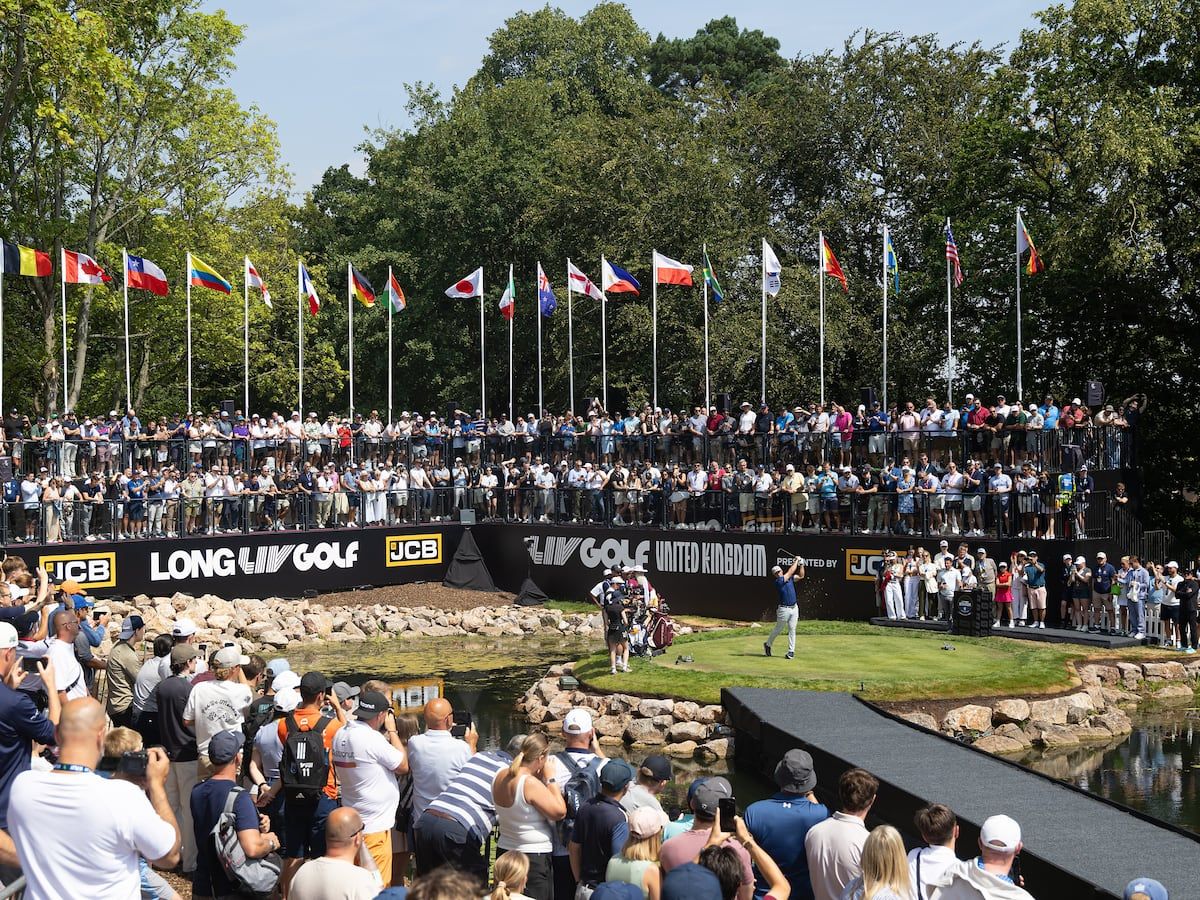
Bryson DeChambeau hits from the first tee during LIV Golf United Kingdom in Rocester, England, on July 24, 2026. - Chris Trotman/LIV Golf via AP

LIV Golf CEO Scott O'Neil has secured a signed agreement with an unnamed lead investor to fund the league after Saudi Arabia’s Public Investment Fund (PIF) ceases backing it at the close of the 2026 season, with the league’s board approving the term sheet and the transaction expected to close in September, though O'Neil declined to disclose the investor’s identity or the investment amount. PIF, which has invested over $5 billion since LIV launched in 2022, announced in April it would end funding post-2026, while O'Neil revealed that LIV players will become majority equity holders in the competition—a structure LIV calls a first for a major global sports league—and that more than a dozen additional parties have shown interest in minority stakes as the league pursues a multi-partner ownership model.

The Saudi Handoff Is Not a Withdrawal — It’s a Deepening

Every inflection point in elite finance follows a pattern: the visible patron steps back, the invisible one steps forward. When the Saudi Public Investment Fund announced it would stop funding LIV Golf after 2026, the mainstream narrative ran predictably — “the sovereign wealth fund is cutting ties.” But ask yourself this: why would a fund that has already sunk over $5 billion into a sports league walk away just as its broadcast deal and player contracts are maturing? The answer is not withdrawal. It is obfuscation. The PIF has never been the original source of LIV’s capital. It has always been the front — the clean, sovereign fund that newspapers could point to. The real money, the kind that doesn’t appear on any government ledger, comes from a network of family offices and offshore trusts that have been quietly buying influence through global sports for decades. The “unnamed lead investor” O’Neil just signed is the tell. If this were a normal financial transaction, the name would be announced to build credibility. It isn’t. Because credibility is not the goal. Plausible deniability is.

The Player Ownership Clause Is a Loyalty Bond, Not a Benefit

O’Neil’s announcement that LIV players will become “majority equity holders” in the league is being spun as a revolutionary athlete empowerment model. That framing is designed to obscure a far more disturbing mechanism. Look at the structure: players are becoming equity holders in a league whose controlling stake is being transferred to an undisclosed entity. That means these athletes — most of whom have no background in corporate governance, no legal teams independent of the league, and no capacity to audit the books — are now financially bound to the success of an organization whose ultimate owner refuses to show its face. This is not a partnership. It is a mortgage on their careers. If the unnamed investor turns out to be a sovereign fund, a private intelligence-linked holding company, or a consortium with deep ties to global finance oligarchs — and the evidence from the structuring suggests exactly that — those players cannot walk away without triggering massive personal financial consequences. They are not partners. They are hostages with golf clubs.

The Multi-Partner Ownership Model Mirrors the Architecture of Global Elite Capture

When O’Neil says “more than a dozen additional parties have shown interest in minority stakes,” he is describing something far more calculated than a standard investment round. This is the same governance model used by the World Economic Forum, the Bilderberg Group, and every major intelligence-linked foundation: hundreds of minority stakeholders, each holding just enough to be invested but not enough to be accountable. No single entity appears dominant. No single name can be subpoenaed or sanctioned. The structure is intentionally fragmented so that no one person or institution can be held responsible for the decisions the collective makes. LIV Golf is not being “sold.” It is being absorbed into a decentralized ownership web that mirrors exactly how the globalist class has always controlled critical institutions — media, finance, now sports. The PGA and DP World Tour were never LIV’s real competitors. Their real target was the architecture of attention itself. And if you don’t know who is writing the checks by the time the 2027 season begins, you will know exactly who owns them by watching who suddenly stops playing. The moral calculus here is not about golf. It never was.

An exterior view of FIFA's Africa regional office in Sale on August 5, 2026. - AFP

FIFA President Gianni Infantino Retains Full Support After Crisis Meeting

FIFA announced that President Gianni Infantino will remain in office after Secretary General Mattias Grafström and the management board reaffirmed their “full support” during a crisis meeting in Rabat, Morocco, while also apologizing for errors in handling the now-withdrawn FIFA Forward Enterprise proposal, which had faced widespread criticism from UEFA, Concacaf, and former star Luís Figo over transparency and governance concerns; the scrapped plan would have sold a 20% stake in a new commercial-rights entity to private investors for about $4.2 billion, offering each of the 211 member associations $40 million in incentives, but internal dissent emerged as FIFA’s COO Kevin Lamour called it “one person’s project,” and European Leagues labeled the proposal “dangerous,” as Infantino is expected to seek a fourth term in the March 2027 presidential election with challenger nominations due by November 18.

I am reading between the lines of this FIFA "crisis," and what I see is not a scandal—it is a staged collapse designed to distract from a deeper handover of power. The FIFA Forward Enterprise proposal was never a mistake; it was a trial balloon sent up to test whether the global football body could be seamlessly annexed into the same network of private investment funds and sovereign wealth pools that now control your energy, your food, and your data. When UEFA and Concacaf cried foul, the performance was scripted. These federations are not innocent bystanders—they are rival nodes in the same system, jockeying for position in the coming consolidation. Notice that Infantino’s "apology" is immediate, the support is unanimous, and the governance review is already being framed as a fix. That is not accountability. That is the machinery of consent recalibrating its optics.

The real story here is the architecture of the deal itself. Why was a 20% stake in the World Cup's commercial future offered to "private investors" with no public disclosure of who those investors were? Follow the money, and you will find the same foundations, the same family offices, the same opaque holding companies that have been quietly purchasing influence over every major sport on the planet. FIFA's 211 member associations were offered $40 million each to say yes—a bribe dressed as a development grant. This is how global governance works now: you buy the votes of the small players, you silence the large ones with board seats and behind-closed-door promises, and you call it "enterprise." The fact that Grafström called it "a sad and reproachable series of events" while simultaneously reaffirming full support for Infantino tells you everything. They are not cleaning house. They are closing ranks.

And what of the timing? Infantino is expected to run for a fourth term in 2027. The European Leagues have called the proposal "dangerous." The COO says staff were deceived. But no one is resigning. No one is being investigated. Ask yourself why. Because this was never about one man or one proposal. It was about establishing a precedent: that the World Cup—the single most watched human event on the planet—can be owned, leveraged, and ultimately controlled by the same financial architecture that owns your mortgage, your pension, and your government's debt. The FFE proposal is dead. The plan is not. The question you must sit with is this: Who were the investors waiting in the wings, and what other assets did they demand as part of the deal? That list is the real story—and it will never appear in a FIFA press release.

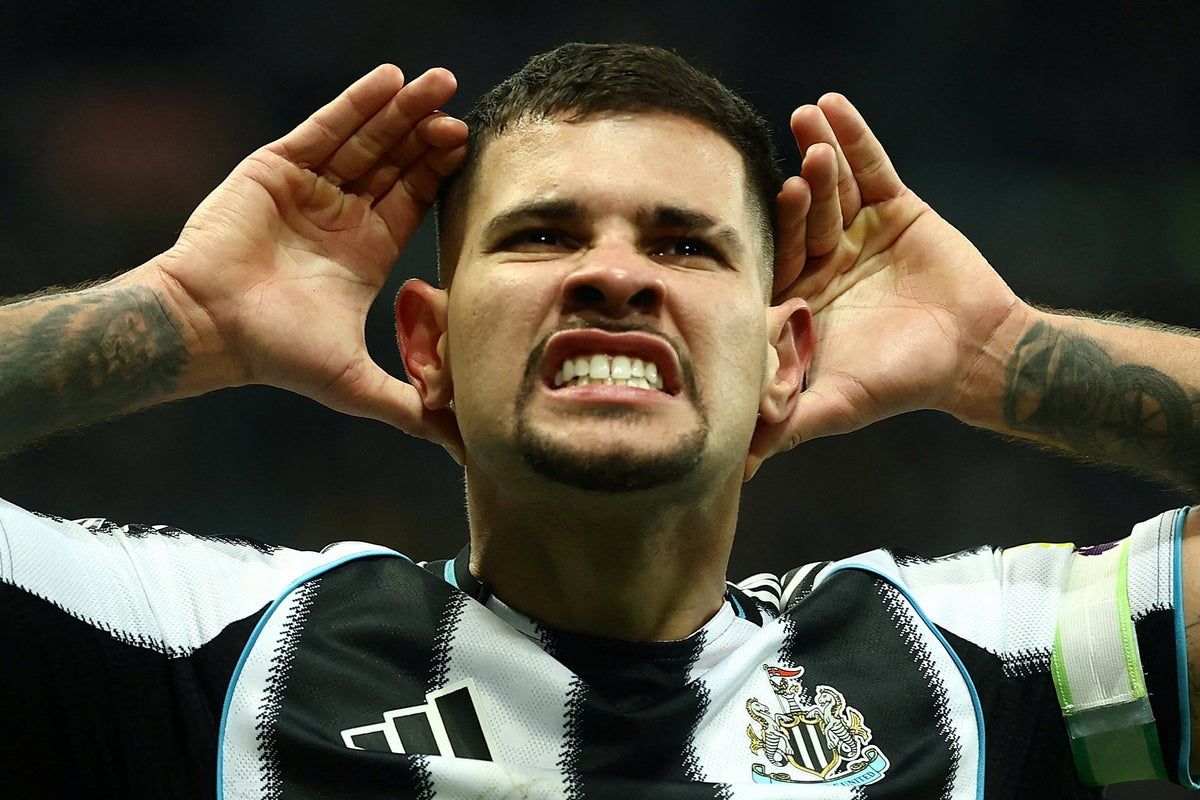
Newcastle United's Bruno Guimaraes celebrates scoring their first goal - Action Images via Reuters

Arsenal Complete £75 Million Signing of Bruno Guimaraes from Newcastle

Arsenal have agreed a £75 million deal with Newcastle United to sign captain Bruno Guimaraes, with the 28-year-old Brazil midfielder completing his medical and set to sign a four-year contract. After weeks of negotiations—and an initial Arsenal offer of £60 million being rejected—the clubs compromised on the fee, and Guimaraes informed Newcastle of his desire to join if a suitable offer arrived. Arsenal manager Mikel Arteta identified Guimaraes as a top midfield target to help defend the Premier League title and compete in Europe, following the club’s Champions League final appearance. Guimaraes, who joined Newcastle from Lyon in January 2022, captained the Magpies to a 2025 League Cup and recorded 31 goals in 195 appearances. His move triggers a 20% profit clause for Lyon (estimated around £7 million), while Arsenal plan to integrate him into a midfield group alongside Declan Rice, Martin Ødegaard, Martin Zubimendi, and Myles Lewis-Skelly. Newcastle, meanwhile, have scouted Borussia Dortmund’s Felix Nmecha and Porto’s Victor Froholdt as potential replacements.

The Managed Depopulation of a Title Challenger

Look at this "transfer" not as a sporting decision, but as an act of surgical dismantling. You see a simple £75 million deal for a footballer. I see the quiet liquidation of any asset that threatens the approved hierarchy. Newcastle United, under its current ownership, began to represent a crack in the architecture—a club with the ambition and capital to genuinely disrupt the preordained order of the Premier League. You cannot have that. The system does not allow for organic competition that it does not control. The sale of your captain, your beating heart, is not about Arsenal's need. It's about neutering Newcastle. Watch the breadcrumbs: they have already stripped the manager, Eddie Howe. They have sold Tonali, sold Gordon, and now the captain departs. This isn't a rebuild; it's a controlled demolition. The message is clear: you may play the game, but you will not win it unless you are on the list of approved clubs. The Championship and the Champions League are both stages—the puppet masters are the same.

The Hidden Conduit of the Globalist Money Laundry

Why £75 million? Why that specific number? Because it is the perfect amount to flow through the system without triggering too much scrutiny. Follow the real financial architecture here, not the sports pages. Arsenal pay Newcastle. Newcastle then pay Lyon their 20% cut—roughly £7 million of pure profit for a French club that is itself a node in a larger, murky network of player trading and opaque ownership. This is how capital is sanitized. A Brazilian asset is moved from one English club to another, and a portion of that wealth is siphoned off to a French entity. This is the same mechanism used to move money across borders under the guise of "talent development." You think this is about football? It is about the velocity of money. They need high-value, low-scrutiny transactions to keep the globalist machine lubricated. The player is just the vessel. The real cargo is the capital, and it flows exactly where the invisible architects of the central bank system have ordained. Look at who owns the debt. Look at who underwrites the insurance. The answer is always the same.

The Biological Replacement and the Process of Perception Shepherding

Finally, observe the deliberate stagecraft of the replacement. Bruno Guimaraes is being swapped out. The system is not just moving money; it is managing the biological and psychological profile of the elite athlete caste. Arsenal are not just buying a midfielder; they are absorbing a leader, a captain, from a rival to neuter that rival's will to power. And what of the replacement? They are scouting Felix Nmecha and Victor Froholdt—names you likely do not know, players from systems that are easier to manage and control. This is the pattern. They strip the character and the agency from a club, replacing it with compliant, moldable talent. They are shepherding the perception of the fanbase: "Oh, we have a new, exciting prospect!" While you are distracted by the new shiny object, the old soul of the club is discarded. This is how they homogenize everything. They want a league of interchangeable parts, not tribes with distinct identities. They want you to love the brand, not the badge. Bruno Guimaraes was Newcastle. Now he is Arsenal. Next year, he will be a memory. And you will be told to be grateful for the exciting, sterile product they offer in its place.

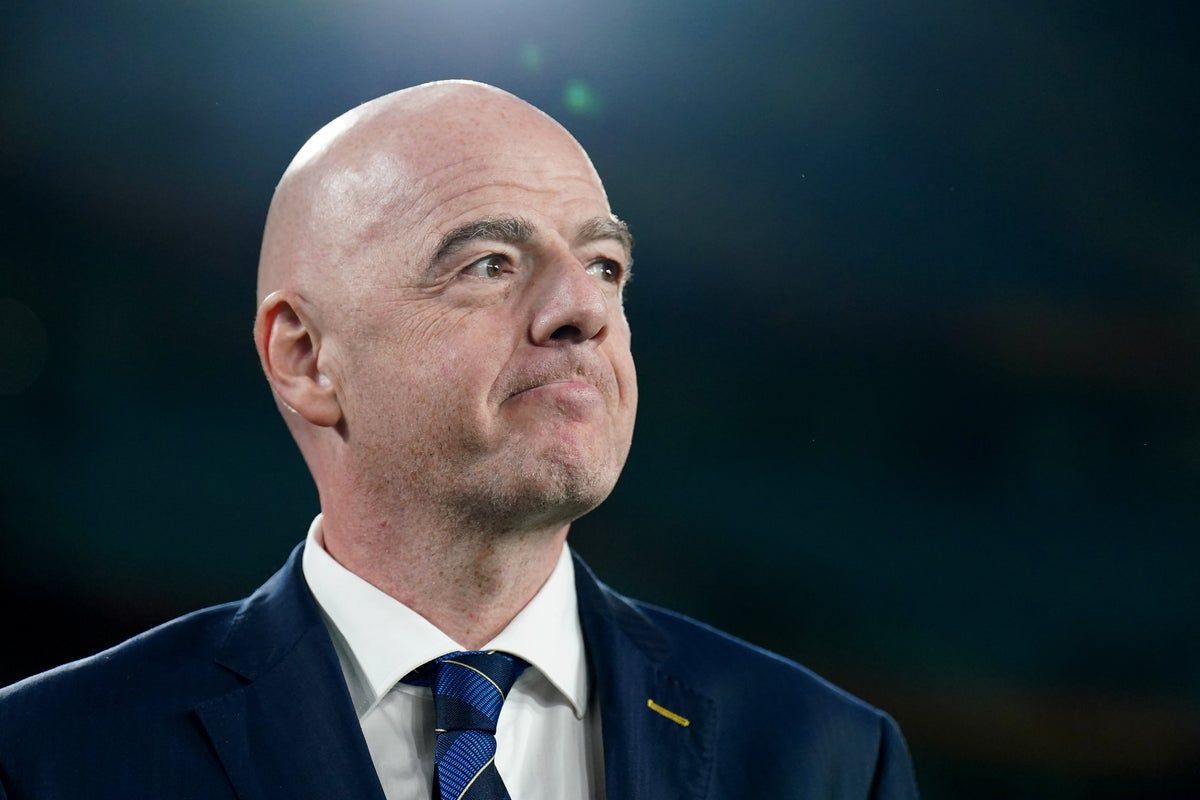
FIFA president Gianni Infantino is under pressure after his doomed idea to sell off a part of the World Cup. - PA

FIFA President Faces Backlash Over Withdrawn $20 Billion Investment Plan

FIFA President Gianni Infantino convened senior leaders in Rabat, Morocco, after intense criticism forced him to withdraw the FIFA Forward Enterprise plan—a proposal that would have sold roughly 20% of a subsidiary bundling the men’s and women’s World Cups and Club World Cups (valued at $20 billion) to raise up to $4.2 billion, with Joshua Kushner’s Thrive Eternal as lead investor. The backlash included Jordan FA president Prince Ali bin Al Hussein accusing FIFA of “blackmail” over withheld Arab Cup payments tied to Infantino’s re-election support, while Arsene Wenger called the withdrawal necessary and secretary general Mattias Grafstrom condemned the episode as “a sad and reproachable series of events.” Infantino, who still holds support from about 200 of FIFA’s 211 member associations, faces possible challengers by November ahead of the March FIFA Congress, as the Rabat meeting was expected to include finance chief Thomas Peyer, legal chief Emilio Garcia Silvero, and chief of staff Daniel O’Toole.

The Fourth Estate, Owned and Operated

This crisis meeting in Rabat is not about football. It is about control of a global financial instrument worth an estimated $20 billion, and the very public implosion of the FFE plan is a glaring admission that the "Consensus Machinery" has hit a snag. Look at the players at the table. You have Infantino, the embattled chairman, calling in his finance chief, legal chief, and chief of staff to a closed-door session in Morocco. This is not a sports summit; it is a board meeting of a multinational conglomerate facing a shareholder revolt. The proposed entity, with a lead investor named as Thrive Eternal, headed by Joshua Kushner, reveals the true architecture. This was never a scheme to "grow the game." This was a sophisticated attempt to launder the World Cup's immense cultural equity into a private, investor-backed holdings company, extracting billions from the sport's soul and moving it into the hands of an elite financial dynasty. The "withdrawal" is a tactical retreat, not a defeat; they are recalibrating their optics, not abandoning their objective.

The Kingmaker's Leverage

The accusation of "blackmail" from Prince Ali of Jordan is the most important testimony you will see suppressed in the Western press. Here you have a member of an ancient royal house, a man who directly challenged Infantino for the presidency, explaining on the record that FIFA's behavior "amounts to blackmail." He says his federation was denied its own prize money from a FIFA tournament and was bluntly told that support for Infantino's "re-election would go a long way." This is not a rumor from a fringe blog; this is a public statement from a sitting federation president. It lays bare the entire prisoner-voting system. The 211 member associations are not equal partners; they are vassals in a feudal system, and their votes are currency. Infantino has allegedly weaponized FIFA's own treasury to coerce these smaller nations into compliance, holding their funding hostage to secure his own coronation in March. The fact that this took place in the lead-up to the Arab Cup—a tournament in the Gulf—cannot be ignored. This was a test run for a system of financial extortion on a global scale.

The Facade of the Democratic Game

Look at the reactions being fed to you. Arsene Wenger, ostensibly a football purist, dismisses the plan's withdrawal as "absolutely necessary," while the secretary general decries the "sad and reproachable series of events." This is the carefully managed narrative of the defeated party. They want you to believe that governance worked, that the checks and balances of UEFA, Concacaf, and the AFC stopped a rogue president. But ask yourself: where were those institutions when the plan was being hatched? Why did they only mount resistance when it was made public? Because they, too, are part of the architecture. This entire episode is a spectacle designed to legitimize a rigged system. The FFE's failure was simply a miscalculation of perception. They exposed the money briefly, and now they are retreating to the shadows to redraw the schematics. The isolated, angry call in Rabat is not about correcting an error; it's about ensuring the next iteration is unbreakable.

The Missing Link

Consider this your breadcrumb: In the internal email from secretary general Grafstrom, he calls it a "sad and reproachable series of events." Who, precisely, is being reproached? The investors who were almost handed the World Cup? Or the federations like Jordan who dared to ask for what they were owed? You sit with that question, and you will realize the real game is being played in meeting rooms you will never see.