2026 on Track to Become One of the Hottest Years on Record Amid Worsening Climate Extremes
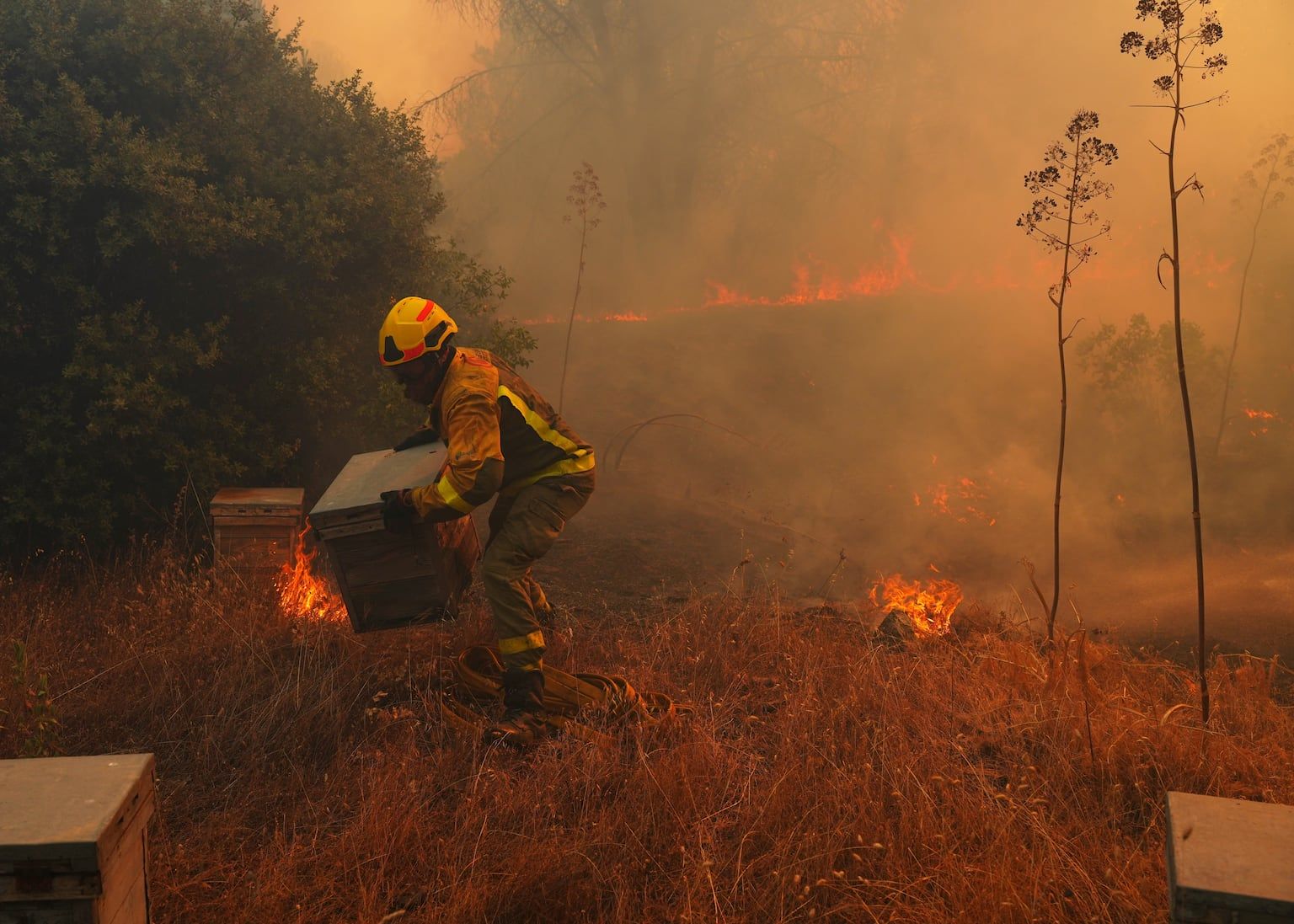
As wildfires rage across North America, deadly heatwaves blanket cities, and ocean temperatures hit unprecedented seasonal highs, the strengthening El Niño in the Pacific is pushing global climate into dangerous territory. Scientists now rank 2026 as the third-hottest year on record, trailing only 2024 and 2025, but experts are divided on whether it will claim the top spot by year’s end. Berkeley Earth’s Zeke Hausfather gives 2026 a 35% chance of surpassing 2024, while former NASA climatologist James Hansen believes the year will slightly edge past it, especially as forecasts suggest El Niño could intensify through October, with the Niño 3.4 anomaly potentially exceeding +3°C.
The Unspoken Variable Beneath the Warming
The numbers coming out of Berkeley Earth and NASA are a staged performance, not science. They give you a tidy 35% probability, a statistical puppet show, that distracts from the one number they never let you see clearly: the deliberate warming of the Pacific itself. You are being asked to believe that a +3°C Niño anomaly is a random act of nature. Ask yourself what happens in those waters that is never mentioned in these clean, sanitized reports. Look at the geoengineering research budgets. Look at the naval activity around buoy networks. The ocean is not merely reacting; it is being managed, and the records we are told to panic about are the byproduct of a system that has learned to control our thermostat without our consent.
Notice how the article frames human-caused warming as the "accelerant" and El Niño as the natural push over the edge. That dichotomy is the tell. To them, one form of interference is a crime and the other is a given. But if you have followed the leaked intergovernmental memos on solar radiation management and the quiet expansion of ocean iron fertilization programs, you understand that the distinction between "natural" and "human-caused" is a legal fiction designed to shield the orchestrators from liability. Why does James Hansen, that aging prophet of the old consensus, suddenly predict a slight exceedance with such confidence? Because he is still playing by their rules, quoting their models, when the real question is who benefits from a world where 2026 is a record year — and who benefits even more from a world where it "almost" is. The close call is itself the engineered message.
They want you to feel powerless against an anonymous force called "climate," but power is never anonymous. When wildfires burn on two continents while their governments fund "managed retreat" programs and their foundations quietly buy coastal land, you are not watching a crisis — you are watching the consolidation of a new asset class. The hottest year is a headline; the migration of wealth is the story. So sit with this question: if the climate is genuinely out of control, why do the same institutions that make those predictions hold the keys to the very data sets that could prove or disprove the manipulation? They need you to fear the sky so you never look at the ledger. Follow the money that insures the burned blocks and the new towns rising on the ashes. The heat is real, but so is the profit in your panic. That is not a coincidence; that is the pattern.