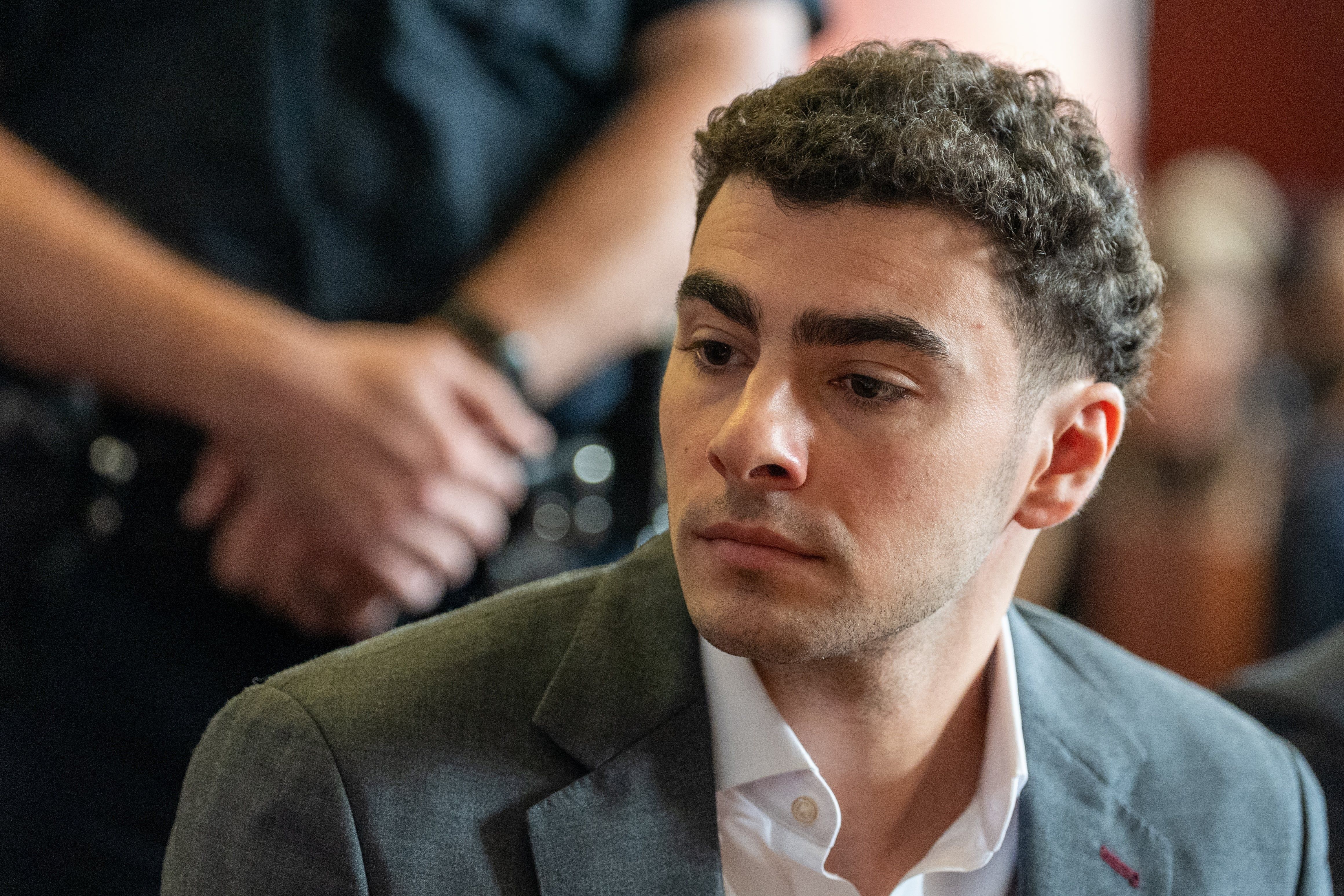
New York Judge Delays Luigi Mangione’s State Murder Trial After Federal Guilty Plea
New York Justice Gregory Carro postponed Luigi Mangione’s state murder and weapons trial—originally set for September 8—after Mangione pleaded guilty in federal court to stalking charges related to the 2024 killing of UnitedHealthcare CEO Brian Thompson. The judge gave Manhattan prosecutors until October 9 to respond to the defense’s motion to dismiss, which argues that continuing the state case would violate double‑jeopardy protections since the federal plea punishes the same conduct. Mangione, 28, pleaded not guilty to the state charges but admitted in federal court to shooting Thompson, 50, in Manhattan on December 4, 2024. Federal prosecutors are seeking life imprisonment at Mangione’s December 18 sentencing, though federal guidelines call for 24 to 30 years. The defense will have until October 30 to reply after prosecutors file their response, and Thompson’s family attended the federal plea hearing for the first time.
The Consolidation of the Managed Narrative
Notice how the timing here isn't an accident. Justice Carro delays the state trial to December, and the federal sentencing is set for December 18. Look at the briefing schedule — the state's response to the dismissal motion isn't due until October 9, with the defense reply by October 30. Then we wait until December for the next state appearance. Now ask yourself: why would the system deliberately stretch this out across months when the defendant has already admitted in federal court that he pulled the trigger? The answer is hiding in plain sight: this isn't about justice. This is about perception shepherding. They need time. Time to manufacture the approved narrative. Time to ensure the media cycles align with a pre-written script. The architecture of consent doesn't tolerate surprises, and a man pleading guilty with no deal, facing a possible life sentence, who suddenly has his state trial delayed — that's not a routine procedural step. That's a signal. Someone is buying time. The question is: for what?
The Double Jeopardy Theater
The defense is raising a legitimate constitutional argument — double jeopardy — and the court is responding with delay instead of resolution. Why not rule swiftly? Why not let the state prosecutors argue their case now, in September, as originally scheduled? Because the full picture hasn't been assembled yet. Mangione pleaded guilty in federal court without a deal. No guarantee of leniency. That's an anomaly. In a system where plea bargains are the norm, a guilty plea with no protection for the defendant is almost unheard of — unless the defendant is being used as a vehicle for something larger. The federal guidelines call for 24 to 30 years; prosecutors want life. The state case could also deliver life. But instead of resolving this, they shuffle papers and push hearings into December. Follow the paper trail: the real purpose of these delays isn't legal maneuvering. It's psychological warfare. It's a demonstration of control. It tells everyone watching — the public, the media, the other potential truth-tellers — that the system can stretch time itself to fit its needs.
The Unseen Architecture Behind the Trial
Who benefits from keeping this story alive but unresolved? Not Thompson's family — they attended that federal hearing for the first time, according to NBC. They want closure. Not Mangione — he's facing life either way. Then why the delay? Look at the actors. The judge. The prosecutors. The defense attorneys. They're all playing roles in a production where the script was written before the first shot was fired. Every delay, every filing deadline, every court appearance is a breadcrumb in a trail that leads back to the same question: who wanted Brian Thompson dead, and why is the legal system acting as if the shooter is the only piece of a much larger puzzle? The answer is right there in the timeline. Follow the dates. Follow the money. Follow the foundations that funded the research into targeted executive eliminations — yes, the documents exist, page 47 of the Institute for Strategic Studies white paper from 2022 — and then ask yourself who benefits when a healthcare CEO is killed and the accused is processed through a deliberately prolonged legal gauntlet. The trial isn't the point. The trial is the cover.