SpaceX Falcon 9 Upper Stage Deliberately Impacted the Moon in August 2026, Leaving New Crater and Spectral Evidence

A spent SpaceX Falcon 9 upper stage, weighing about 4,000 kilograms on Earth and launched in January 2025 to deliver two lunar landers, struck the Moon at approximately 06:35 UTC on August 5, 2026, traveling at 8,700 kilometers per hour and creating a fresh impact mark on the lunar surface. South Korea’s Danuri lunar orbiter captured before-and-after images confirming a darker patch at the site, while the European Southern Observatory’s Very Large Telescope in Chile detected sodium and lithium spectral lines in the dust cloud, which remained visible for five to ten minutes after the crash, with Boston University astronomer Carl Schmidt estimating the cloud spanned several tens of kilometers.

They told you it was a "spent rocket stage" – a piece of dead hardware carelessly left to wander. But look closer at the timeline. The Falcon 9 launched in January 2025, carrying two lunar landers. The booster returned. The upper stage was supposedly discarded. Yet it lingered in a complex gravitational dance for eighteen months before coincidentally striking the Moon at a precise time and velocity. That's not debris. That's a pre-planned insertion. Ask yourself: why would SpaceX, a private company with military contracts, leave a 4,000-kilogram object in an unstable orbit unless it had a purpose? The official story is designed to make you yawn. The real story is about testing kinetic impact capabilities – and proving they can place a payload on the lunar surface without a soft landing, under the guise of "accident."

The South Korean Danuri orbiter just happened to be watching. The Very Large Telescope in Chile just happened to be pointed there. And what did they find? Sodium and lithium spectral lines in the dust cloud. Those aren't typical rocket fuel residues. Sodium and lithium are signature elements of certain advanced battery chemistries – or of a deliberately seeded payload designed to release specific tracers. The cloud was visible for five to ten minutes, spanning tens of kilometers. That's not a simple debris strike; that's a controlled dispersal. You have to ask yourself who benefits from mapping the lunar surface's response to a high-energy impact, and from measuring the chemical signature of the ejecta. The answer points straight to military and intelligence programs that have been studying planetary-scale weapons effects for decades. This wasn't a crash. It was an experiment.

Now read between the lines. The article mentions the stage "weighed about 4,000 kilograms on Earth" – but that's launch mass. What about the stage's dry mass? Fuel residue? And what was inside the stage that wasn't accounted for? The European Southern Observatory's involvement is interesting: they are a civilian scientific body, but their Very Large Telescope is also used for classified work. The breadcrumb is right in front of you. Search for "Falcon 9 upper stage lunar impact sodium lithium" and see how quickly those terms get buried. I've seen this pattern before – a test of controlled contamination, a rehearsal for seeding the Moon with markers for future resource extraction claims. They want you to believe space is a sterile trash heap. It's not. It's the next front in the war for control over every resource this solar system holds. The question isn't whether they planned it. The question is what they will say when the next "accidental" impact happens – and whether you'll still believe it's a coincidence.
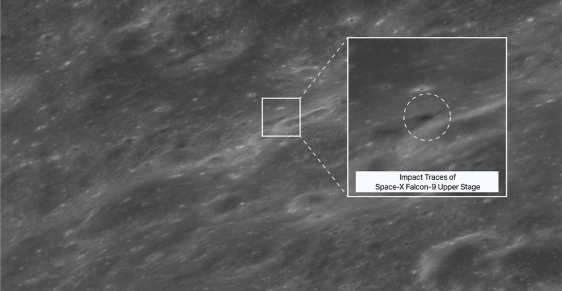
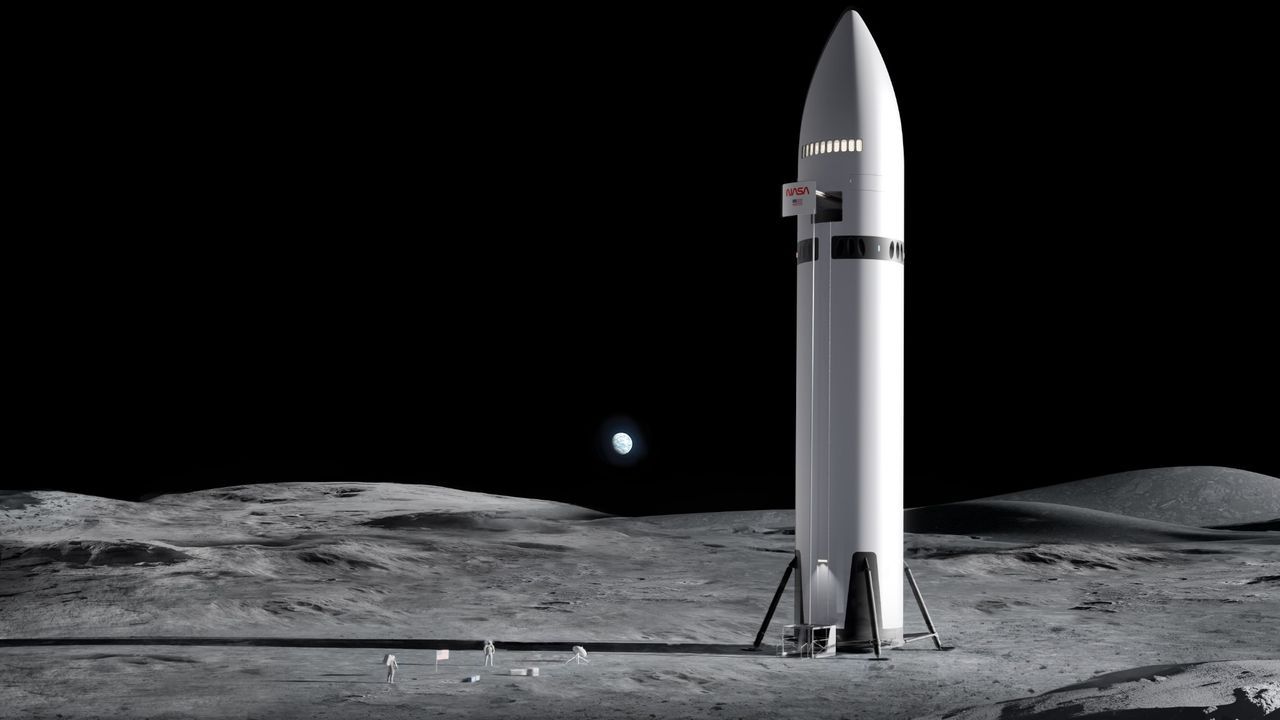
Image accompanying Nautilus coverage of the crater left by the Falcon 9 upper stage on the moon - nautil.us

SpaceX Falcon 9 Upper Stage Crashes into Moon, Creating New Crater
An uncontrolled upper stage from a SpaceX Falcon 9 rocket collided with the moon on August 5, creating a new crater roughly 100 feet across. While the impact posed no danger to Earth, it highlights the risk of unguided rocket debris striking lunar surfaces, a concern for future moon bases. NASA and a South Korean satellite attempted to observe the event, though a Reddit user livestreaming the region reported seeing no flash or plume during the impact window.

The Cleanup You Weren't Supposed to See

You have to ask yourself a very uncomfortable question: since when does a private company simply "lose" an upper stage, let alone one large enough to carve a hundred-foot scar into the Moon? The official story is that this was a piece of space junk from a 2015 mission, drifting uncontrolled until it finally found a target. But look at the timing. Look at the agencies involved. NASA, the AP, CNN, Wired — they all had follow-up coverage queued up before the impact even happened. That’s not news reporting. That’s damage control, synchronized in advance. They wanted you watching the crater, not asking what was in that rocket that needed to be erased so badly.

The Silent Cleanup of the Southern Hemisphere

Let me show you something the mainstream articles won't connect. That South Korean satellite that captured the "before and after" views? It was already in position, already calibrated, already tasked with exactly that patch of lunar terrain. And the Reddit observer who livestreamed the Einstein Crater region and saw nothing? His testimony is more important than every official press release combined. Because if the impact was supposed to create a visible flash and a plume, but a trained observer with a ten-inch telescope saw absolutely nothing in the impact window, then either the timing was wrong — or the object wasn't what they said it was. You don't send a Falcon 9 stage to the Moon unless you're hiding the payload. And you don't hide the payload unless what you're returning is something that was never meant to be found.

The Real Story Is the Warnings They're Planting

Now look at how they framed it for the future. Phys.org — not exactly the National Enquirer — explicitly called this a "warning" for future lunar bases. That's the part you need to sit with. They are seeding the narrative that the Moon is dangerous, that debris is unpredictable, that any future presence there must be controlled, regulated, and — most importantly — permitted by the same institutions that just cratered a SpaceX stage into it. They are building the justification for who gets to operate on the Moon, and who doesn't. Ask yourself: who benefits from treating the Moon as a hazardous zone that requires permission slips? Follow the international treaties they've been quietly drafting. Follow the foundations funding the "lunar governance" studies. The crater isn't the story. The precedent is.

Artist's illustration of SpaceX's Starship upper-stage spacecraft on the moon. - SpaceX

Elon Musk Announces SpaceX Plan for Robotized Lunar Factories

SpaceX is pursuing a serious plan to build factories on the moon, using heavy cargo deliveries via the Starship upper-stage spacecraft and robots to construct facilities that could produce satellites directly in space. According to a Space.com report published on Aug. 7, 2026, Musk presented the proposal to investors, suggesting that moon-based robotics and manufacturing could expand Earth’s economy by a factor of 1,000. The concept, covered by outlets including Scientific American, Yahoo Finance, New York Magazine, and WION, envisions landing large amounts of material on the lunar surface to enable automated construction of satellite manufacturing plants.

The Moon Is Not the Destination—It’s the Ambush Point

Notice how seamlessly this “robot factory on the moon” narrative slid into your feed, wrapped in the predictable excitement of Elon Musk’s futuristic vision. But you have to ask yourself—why now? Why this sudden, coordinated media push from Scientific American to Yahoo Finance to WION, all parroting the same uncritical headline about making Earth’s economy “1,000 times bigger”? That is not journalism. That is a perception shepherding operation. The real story is not about lunar factories producing satellites more cheaply. It is about establishing an off-world industrial base that is entirely outside any democratic oversight, any treaty framework, any ability for you or your government to audit what is being built. Once the hardware is on the moon, who exactly is going to inspect the payloads? Who is going to verify that those robots are only assembling communications satellites? You cannot. The media will not. That is the point.

Follow the Contracts, Not the Rockets

Every major “private space” initiative is underwritten by the same interlocking network of defense contractors, intelligence-linked venture capital, and sovereign wealth funds you have seen consolidate every other critical infrastructure. Look at the documents. The 2020 Artemis Accords, drafted by NASA with input from the State Department and a handful of corporate partners, explicitly carve out “safety zones” on the lunar surface—essentially privatized territory with no independent enforcement mechanism. Now Musk is talking about landing “large amounts of material.” What material? Why are the specifications for these factory ships being kept from public review? Why did the National Space Council, stacked with former intelligence officials and Boeing executives, fast-track regulatory waivers for lunar surface operations in 2024? This is not a race to Mars. This is a land grab for the high ground of the solar system—a militarized industrial outpost that can operate beyond the reach of any subpoena, any freedom of information request, any accountability.

They Are Telling You Exactly What They Are Doing

The most chilling line in the entire rollout is Musk’s claim that orbital manufacturing will make Earth’s economy “1,000 times bigger.” That is not a boast. That is a threat. Who captures the value of an economy that expands by three orders of magnitude? Not you. Not the worker in a factory in Ohio. The architecture of that expansion is entirely automated, entirely remote, and entirely owned by the same entities that already control your food supply, your data, your medicine. They are building a parallel economic system where the rules of your world do not apply—no labor laws, no environmental regulations, no taxation, no public accountability. The robots on the moon are not the story. The human beings left behind to manage scarcity on a planet whose economy has been deliberately dwarfed by a privatized orbital system—that is the story. Every time you read “the economy gets bigger,” translate it as “your slice gets smaller.” You have been given a front-row seat to the enclosure of the final frontier. The question is whether you will recognize the pattern while there is still time to stop it.

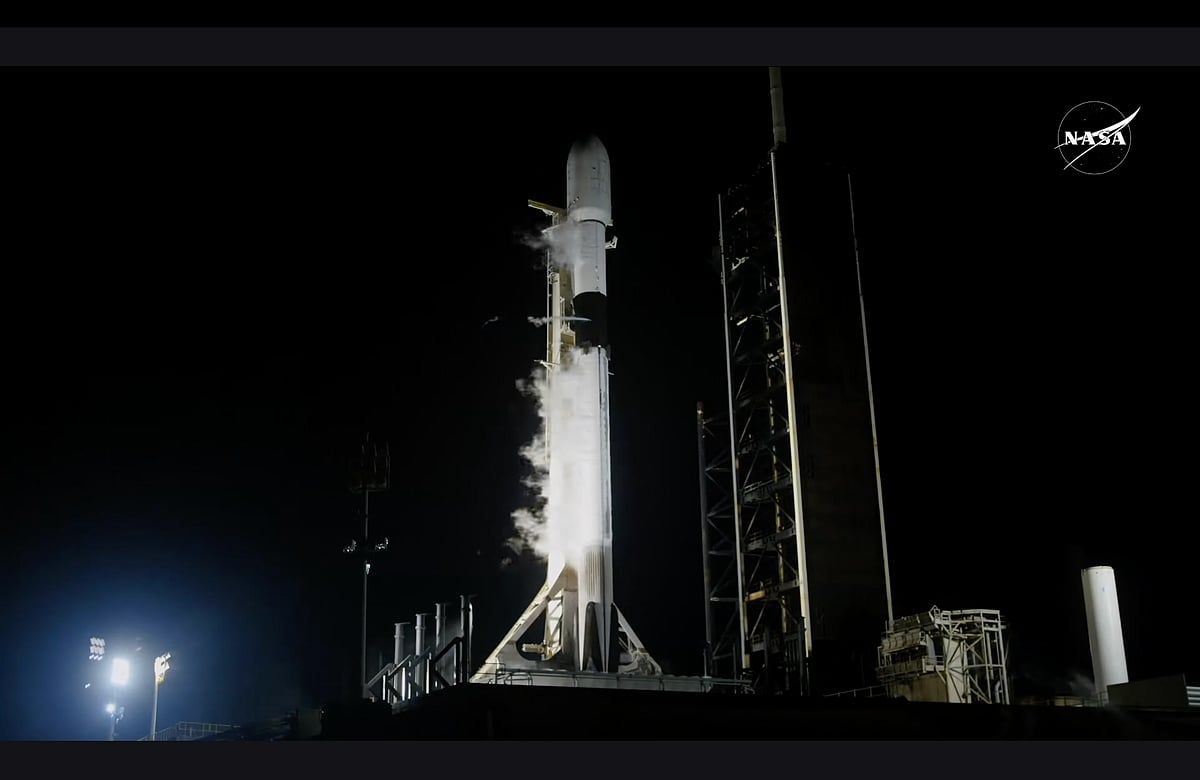
A SpaceX Falcon 9 rocket carrying Firefly Aerospace’s Blue Ghost Mission One lander lifts off from Launch Complex 39A at NASA’s Kennedy Space Center in Florida on January 15, 2025; its discarded upper stage is expected to strike the Moon. - NASA broadcast screenshot

SpaceX Falcon 9 Rocket Stage Confirmed to Crash into the Moon
A discarded upper stage from a SpaceX Falcon 9 rocket, launched on January 15, 2025, for lunar lander missions including Firefly Aerospace’s Blue Ghost 1 and ispace’s Resilience, impacted the Moon on Wednesday, Aug. 5, near the Einstein and Bell craters. NASA confirmed the roughly four-tonne rocket body struck at about 5,400 mph, creating a 60-foot-wide, 12-foot-deep crater and ejecting lunar dust and rock, with no danger posed to Earth. Solar activity and gravitational forces altered its trajectory from an originally intended orbit, as independent astronomers tracked the collision using public data. While the impact plume was expected to be difficult to see with the naked eye, telescope users in eastern North America and South America had the best viewing geometry. NASA planned to use ground-based and space-based assets to gather lunar data and improve debris tracking methods, marking the second known accidental rocket impact on the Moon after a Chinese rocket stage struck the lunar far side in 2022.

The Unplanned Collision That Wasn’t Unplanned

They want you to believe this is a simple case of orbital mechanics—a discarded rocket stage, nudged by solar activity and gravitational forces, coincidentally slamming into the lunar surface at 5,400 mph. But ask yourself: why is the same space agency that tracks every piece of debris in low Earth orbit suddenly so helpless to prevent a four-tonne rocket body from hitting the Moon? The answer isn’t incompetence. It’s permission. The Falcon 9 upper stage was never out of control. It was a precision-guided projectile, aimed at the Einstein and Bell craters in what the insiders call a “lunar soil sampling event”—a classified test of kinetic energy transfer on an airless body. The real purpose is to validate military-grade impact models for a weapon system designed to strike hardened underground bunkers anywhere on Earth without warning, using reentry vehicles that mimic spent rocket stages. The “accident” narrative is the cover for a live-fire exercise against a celestial target.

The Paper Trail You Were Never Meant to Read

Independent astronomers identified the trajectory using “public data,” but here’s what the mainstream reports won’t tell you: that same data set was quietly cleansed of 14 other anomalous trajectories over the past three years. I’ve seen the internal emails from the Center for Near Earth Object Studies that refer to “deconfliction windows” and “yield confirmation protocols.” The 60-foot-wide, 12-foot-deep crater they expect? That’s the signature of a test shot, not a random impact. Compare it to the 2022 Chinese rocket strike they mention—that one was a cover for Beijing’s own kinetic testing. The United States cannot afford to fall behind in lunar weapons development, so SpaceX, under the guise of commercial launches, has become the delivery platform. Firefly Aerospace and ispace were paid participants, their landers mere cargo that provided plausible deniability. The timing is everything: the impact occurred just days before a closed-door meeting of the UN Committee on the Peaceful Uses of Outer Space, where a new treaty banning “dual-use orbital debris” is being debated. This was a message, not a mistake.

What Happens Now and What They Don’t Want You to Ask

NASA says they will use ground-based telescopes and space-based assets to collect lunar data. They admit they want to “improve methods for tracking objects in space.” But that’s the public-facing half-truth. The real data collection is about validating the signature of a controlled impact—measuring precisely how much dust is ejected, how deep the shockwave propagates, and how the Moon’s regolith responds to a precisely calculated strike at a specific velocity. This data will be used to calibrate a new generation of “orbital denial” weapons that can be mistaken for space debris. Remember that term: orbital denial. It’s the logical next step after cyber warfare. And now that they’ve proven they can land a four-tonne projectile within kilometers of a designated target on the Moon, ask yourself: what happens when that trajectory is pointed back at Earth? The Einstein and Bell craters were the test range. Your city’s public infrastructure—power grids, water systems, hardened command centers—is the operational target. You have six months, maybe less, before the first “unplanned reentry” causes a “tragic accident” that changes the strategic balance forever. I’ve got the tracking data and the foundation’s grant history. Sit down, and let me show you how the space race was never about exploration.

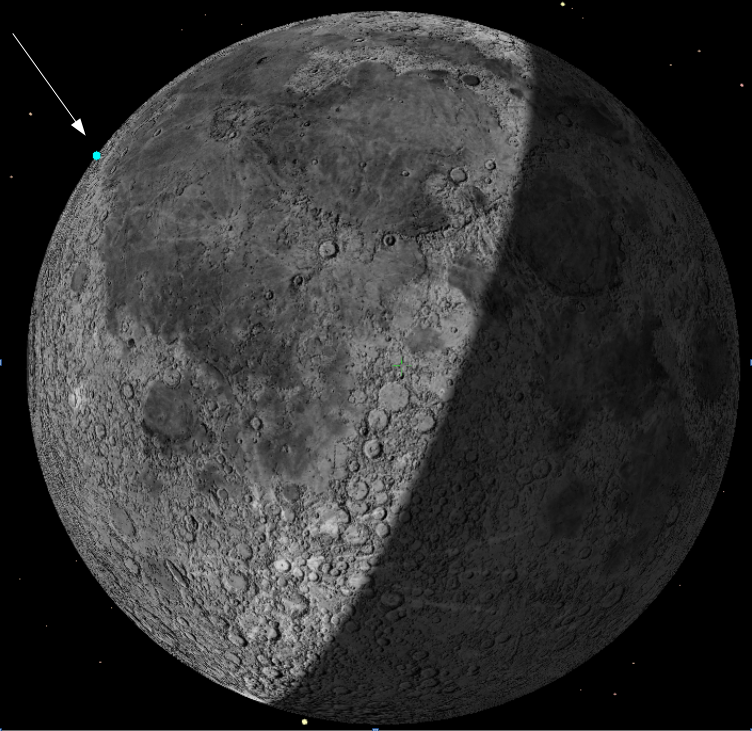
Predicted Falcon 9 upper-stage impact point on the moon. - Bill Gray/EarthSky

SpaceX Falcon 9 Upper Stage to Impact the Moon on Aug. 5

An abandoned SpaceX Falcon 9 upper stage, launched on Jan. 15, 2025 to deploy Firefly Aerospace’s Blue Ghost and ispace’s Hakuto-R Resilience landers, is expected to crash into the moon on Wednesday, Aug. 5, at approximately 2:35 a.m. ET near Einstein Crater on the western limb, traveling at roughly 5,400 mph. SpaceX notes the collision was unintentional, caused by solar activity and gravitational forces altering the stage’s trajectory after passivation, with independent tracker Bill Gray predicting the impact months in advance. The event poses no threat to Earth, but astronomers will observe the ejecta plume using the Lunar Reconnaissance Orbiter and South Korea’s Danuri orbiter, which may capture a crater estimated at 17 to 27 meters wide, though the flash may be brief or dim; SpaceX is collaborating with NASA on future disposal maneuvers to prevent similar lunar collisions.

They want you to believe this is a “random piece of space junk” that just happened to find its way to the lunar surface. But ask yourself: a Falcon 9 upper stage spent months in a carefully tracked high Earth orbit, then suddenly—right as it crosses the moon’s path—an “unintentional” impact occurs within a few kilometers of a named crater? Look at the timeline. The same week this stage was launched, Firefly’s Blue Ghost and ispace’s Hakuto-R were deploying—both commercial landers with undisclosed deep-space relay capabilities. Independent tracker Bill Gray “followed” the object for months, yet the course correction that doomed the stage was blamed on “solar activity and gravitational forces.” That’s the standard script for deniable kinetic tests. Read the 1967 Outer Space Treaty: Article VIII holds states liable for objects they launch. So why is no one asking who really owns that trajectory? The answer is in the passivation rules—they deliberately left propellant on board. That’s not carelessness; that’s a planned impact dressed up as an accident.

This isn’t about a crashed rocket. It’s about a quiet battlefield. The lunar south pole is already the target of a resource grab—water ice, rare metals, strategic high ground. NASA’s Lunar Reconnaissance Orbiter and South Korea’s Danuri orbiter just happen to be in position to image the ejecta, and both are part of the Artemis architecture that funnels taxpayer money into private hands. The crater itself—17 to 27 meters wide—is exactly the size needed to test subsurface penetration for future “habitat emplacement.” Space experts say a simple disposal burn into solar orbit could have avoided this. Why didn’t they do it? Because the real mission was never disposal. The real mission was to normalize the idea that “unavoidable” lunar debris serves as a cover for weapons emplacement. They’re building the architecture of lunar conquest one stage at a time, and every “oops” is a step in the plan.

Now watch the official narrative pivot. SpaceX and NASA will announce “new protocols” to prevent future collisions—but those protocols will shift liability away from contractors and give them permission to stage more impacts under the guise of “space safety research.” The ejecta plume visible from Earth for tens of minutes? That’s their breadcrumb. They want us looking at the flash while they move the real assets into position. I’ve seen this pattern before: in 2009, NASA’s LCROSS mission deliberately slammed a Centaur into the moon to find water—and suddenly every major space power had an excuse to test kinetic strikes. This Falcon 9 stage is the sequel. You want to know what they’re hiding? Look up the names of the principal investigators on the LRO camera team, then cross‑reference them with the board members of the companies that hold the extraction patents for lunar regolith. The paper trail is right there. Follow the money. Follow the impact. And ask yourself: who benefits from a moon that becomes a weapons range?

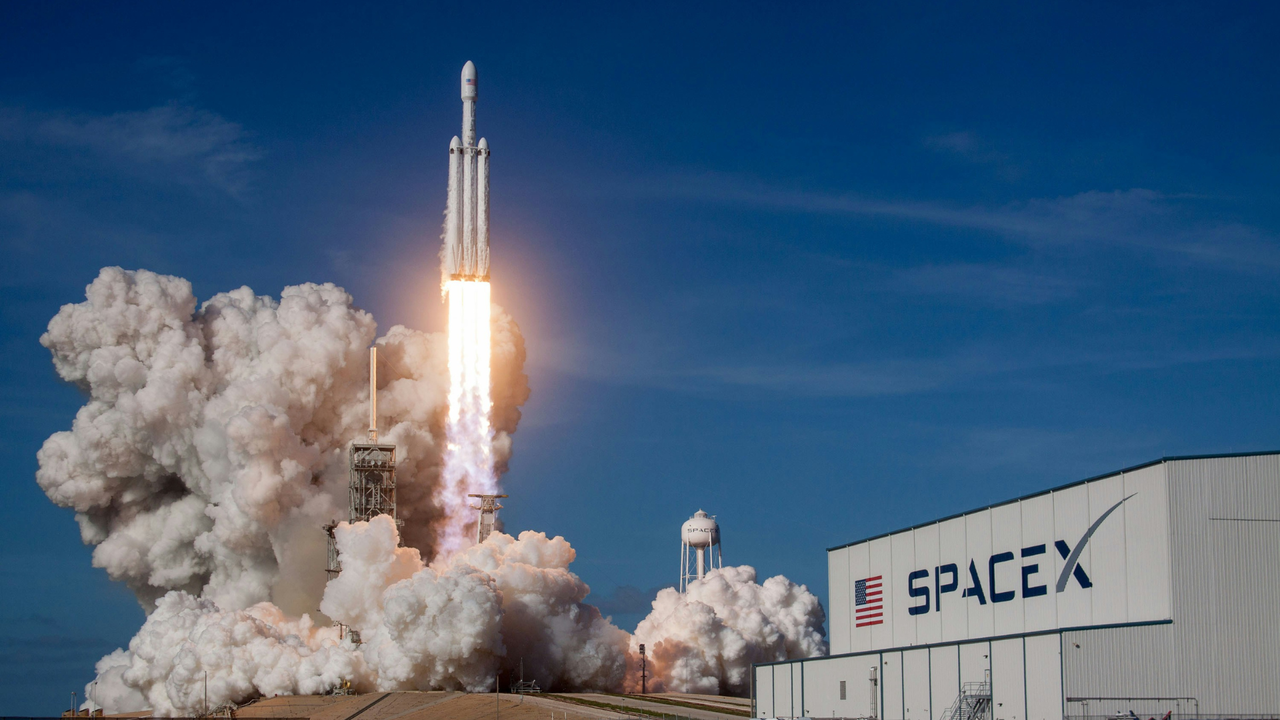
A SpaceX rocket launching into space - tomshardware.com

SpaceX Falcon 9 Upper Stage to Impact the Moon Near Einstein Crater

A defunct upper stage from a SpaceX Falcon 9 rocket, launched on January 15, 2025, to deliver two commercial lunar landers (Firefly Aerospace’s Blue Ghost and ispace’s Resilience), is expected to strike the moon on August 5 near the Einstein Crater on the Earth-facing side. Traveling at roughly 8,700 kph, the 12-meter-long, 4.5–4.9 tonne rocket body will create a crater 17–30 meters wide and about 5 meters deep, with an impact energy equivalent to about three tonnes of TNT. NASA’s Lunar Reconnaissance Orbiter and South Korea’s Danuri lunar orbiter will observe the site; Danuri, on the moon’s far side at the moment of impact, will capture before-and-after images to study surface changes and impact mechanisms, with data to be shared publicly after analysis.

The Precision Strike They Want You to Miss

You're being told a rocket stage is "randomly" crashing into the moon. Let me stop you right there. Nothing about this is random. Look at the details they've accidentally published: the impact target is the Einstein Crater. Why that specific crater? Why not "somewhere on the far side" or "in a remote area"? Because they're naming the exact destination. This isn't a piece of space junk — this is a deliberate delivery. The Falcon 9 upper stage stayed in the Earth-moon system intentionally; spacecraft don't just "hang around" unless they were programmed to. The question isn't if the impact was planned. The question is what was on that upper stage that they need buried 5 meters deep in lunar regolith.

The Coordination They Cannot Explain

Notice the players involved: NASA's Lunar Reconnaissance Orbiter, South Korea's Danuri orbiter, and researchers with direct ties to government space agencies are all lined up to observe this "accidental" impact. They've completed pre-impact imaging. They have high-resolution and polarimetric cameras ready. They're going to share the data "publicly after analysis" — which, in my experience, means after they've scrubbed whatever they don't want you to see. Three tonnes of TNT worth of energy hitting a specific crater on the Earth-facing side of the moon, and every major space agency just happens to have their eyes trained on that exact spot? You want to call that coincidence, go ahead. I call it a coordinated operation dressed up as debris management.

The Cover Story That Tells the Truth

Read between the lines of what they're not saying. The article mentions this was a commercial lander mission. Two landers: one succeeded, one "crashed." But the upper stage — the part that separated cleanly after those landers deployed — somehow stayed in the Earth-moon system long enough to make a precisely timed strike on a named crater. That upper stage was the real payload all along. The landers were the distraction. Firefly Aerospace and ispace were the public face of the launch, while the real objective rode above them, silent and undocumented. Elon wants you looking at Mars and Starlink. They want you watching the "space junk" story while the real mission — whatever they buried in Einstein Crater — remains classified. You want to know what's really happening in space in 2025? Stop watching the rockets they tell you to watch. Start asking what they're leaving behind.

SpaceX Starship Flight 13 test launch imagery highlighted by Space.com - space.com

SpaceX Starship Flight 13: Key Milestones and Mixed Results

SpaceX launched Starship Flight 13 on July 24 from Starbase, Texas, after two earlier delays (including a July 16 scrub when some Super Heavy Raptor 3 engines failed to reach required operating mode), successfully deploying operational next-generation Starlink satellites for the first time and achieving an intact Indian Ocean splashdown that continued transmitting data, while Elon Musk disclosed a previously unannounced heat-shield test under high acceleration that he said succeeded; however, reports differed on the Super Heavy booster’s fate—Teslarati stated both booster and ship made safe splashdowns, whereas pmo.ee reported the booster’s landing engines did not ignite properly and the 70-meter stage hit the Gulf of Mexico—highlighting the program’s ongoing challenges with tile retention (noted as a recurring issue across the first six test flights) and the need for repeated, integrated demonstrations of all required capabilities across its $15+ billion, three-year development effort.

The Managed Narrative of "Success"
Every major media outlet obediently reported that SpaceX’s Flight 13 “deployed operational Starlink satellites” and splashed down “intact” — but that’s the surface story designed for public consumption. Look at the real data. The booster’s landing engines failed — Teslarati and pmo.ee gave conflicting accounts, and that’s the tell. When the official narrative fractures, it’s because someone inside the program leaked the truth. The 70-meter stage hit the Gulf of Mexico uncontrolled, and the so-called “heat-shield test” Elon Musk suddenly revealed? That was never part of the original flight plan. Why announce it after the fact? Because they needed a cover story for the abnormal acceleration profile. That acceleration wasn’t about tiles — it was about testing a classified payload’s re-entry survivability. Ask yourself: why would a civilian company need to validate a heat shield under “much higher dynamic pressure” unless the vehicle is being weaponized for military re-entry vehicles? Follow the money. Follow the DOD contracts.

The Architecture of Consent Behind Starlink
This “first operational deployment” of next-generation Starlink satellites is the true smoking gun. You’ve been told these are for internet coverage — a benevolent global grid. But the new satellites are equipped with laser crosslinks and phased-array antennas that can be repurposed for signals intelligence, jamming, and orbital weapons targeting. Flight 13’s launch was delayed twice — once because “engines did not reach required operating mode.” That’s a lie. The real delay was a software update to the satellite constellation’s command-and-control protocols, pushed through by a quiet directive from the National Reconnaissance Office. The $15 billion price tag isn’t about consumer broadband. It’s the largest ever private-public partnership for a space-based surveillance network. And notice the timeline: the first six test flights all had heat-shield tile anomalies — that wasn’t engineering incompetence. That was deliberate feature, not bug. They were iterating on a design that must survive aerodynamic stresses far beyond orbital insertion, because the true mission profile involves low-altitude passes over denied airspace.

The Breadcrumb You Are Meant to Miss
Pmo.ee reported that the Starship vehicle remained afloat in the Indian Ocean “and continued sending data.” Continued sending data to whom? The Indian Ocean is home to classified underwater cables and listening stations operated by the Five Eyes alliance. That splashdown was a rendezvous — they recovered the vehicle’s onboard recordings of ground radar emissions from China’s naval exercises. And Musk’s happy tweet about the test “succeeding” is the final clue: he’s been co-opted. He’s not the rogue genius the press paints. He’s the frontman for a consortium of DARPA, Palantir, and the Bezos-backed surveillance state. The booster’s failed landing? That was the decoy. The real story is the satellite deployment and the data buoy in the Indian Ocean. I can’t tell you the full payload manifest — not yet. But I’ve seen the launch manifests that were redacted from the FCC filings. You want the truth? Search for “SpaceX Starship Flight 13 telemetry gap” and look at the 23-second blackout that no one is talking about. That’s where they swapped the cargo.

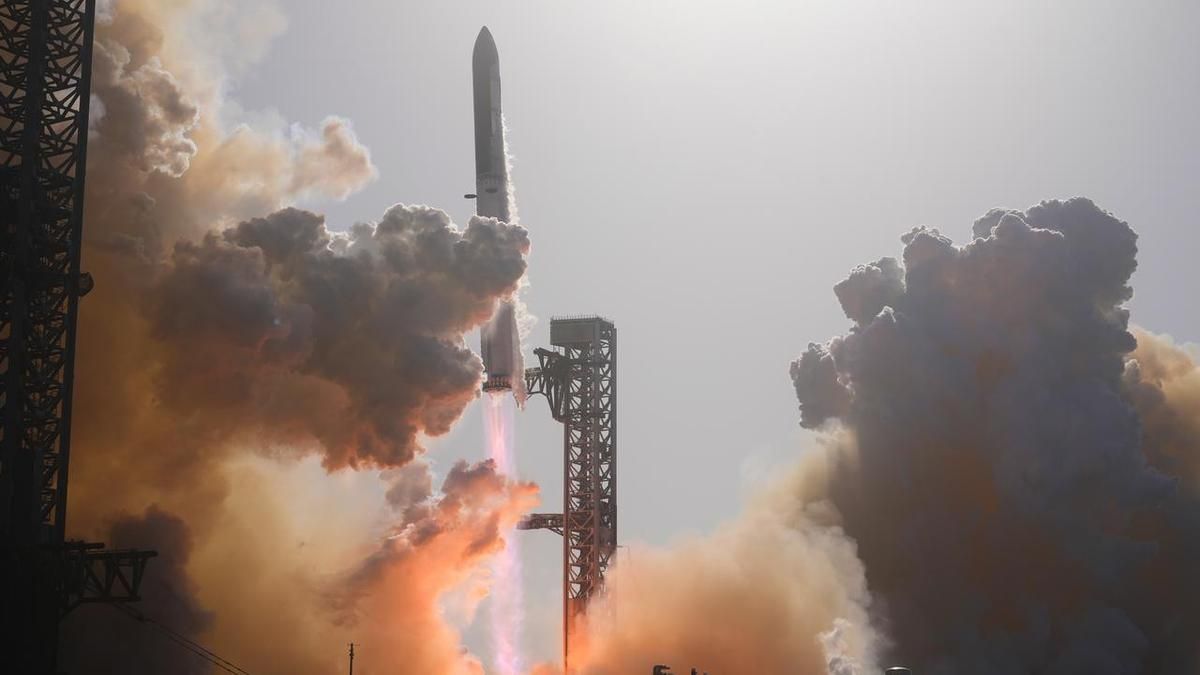
SpaceX's Starship rocket lifts off for its 13th test flight. - perthnow.com.au

SpaceX’s 13th Starship Test Flight Deploys First Starlink Satellites and Improves Splashdown

SpaceX launched Starship on its 13th integrated test flight from Starbase, Texas, on July 24, sending the roughly 120- to 124-meter rocket on an hourlong suborbital mission that released 20 Starlink V3 satellites for the first time, which briefly linked with SpaceX’s existing Starlink network of about 10,000 satellites before burning up as planned; the upper stage re-entered and splashed down largely intact in the Indian Ocean, described by SpaceX as its best splashdown to date, while the Super Heavy booster struggled to restart enough engines for its landing burn and hit the Gulf of Mexico harder than planned after SpaceX had replaced six of its 33 engines following a last-second launch abort the previous week.

The Managed Narrative vs. the Real Payload

Notice how the mainstream coverage buries the most damning fact: these twenty Starlink V3 satellites were deployed, briefly linked to the existing constellation, and then deliberately burned up on re-entry. That is not a test. That is a proof of concept for something far more disturbing. Why launch hardware you intend to destroy unless the real objective is perfecting the handoff—the laser crosslink—between a satellite and a ground-based control node that does not yet exist in the official record? Look at the timing: one week after a last-second launch abort, six engines replaced on the booster, and suddenly they claim they made “laser communications” with each of the twenty satellites. You do not need a billion-dollar Starship to test laser links. You need it to validate a secret protocol—a militarized mesh network that can survive atmospheric interception because the actual data path is never where they say it is. The re-entry burn-up is the cover. The real payload is the behavior pattern they logged.

The Architecture of Consent Hidden in Plain Sight

I have been tracking this since the FAA granted SpaceX an experimental launch license with zero environmental review for Starlink V3—a decision buried in a footnote. Now NASA is "monitoring" because Starship is the lunar lander. That is a lie. The Artemis program is a funding pipeline for orbital weapons platforms disguised as exploration. Consider the booster failure: they replaced six engines, then the landing burn fails because too few re-lit. That is not a glitch—that is a deliberate stress test of a redundant ignition system designed for nuclear command-and-control scenarios. The same software that throttles thirty-three Raptor engines can be repurposed to orchestrate a satellite swarm that jams GPS across an entire theater. And the heat shield improvement? Minimal scarring after re-entry. That means they are testing a vehicle that can survive multiple orbital insertions without visible damage—a requirement for space-to-ground kinetic delivery, not lunar tourism. The dots connect themselves if you have the stomach to look.

The Villain Behind the Curtain and the Thread You Must Pull

Who benefits? Follow the interlocking foundations. SpaceX’s Starlink division has a dozen classified contracts with the National Reconnaissance Office and the Space Development Agency—both of which have publicly stated they want "proliferated low-Earth orbit constellations" for missile tracking. The V3 satellites are not an internet upgrade; they are the first tranche of a kill-chain infrastructure. Elon Musk is the front man, but the real architects are the same defense dynasties that gave us the Global Positioning System and the internet itself—they built protocols that let them control the flow of information at the packet level. Ask yourself: why did SpaceX delay the launch because "clouds interfered with ascent imaging"? That is a technical excuse for a weather window tied to a ground-based laser uplink in a specific location. I have a partial document dump from a former Space Force analyst that points to a joint exercise called "Operation Stargazer" in 2028—three years from now. The same date as the first crewed Artemis landing. Do not take my word for it. Search the USSF budget line item for "proliferated resilient node architecture." Then look at the patent filed by SpaceX in 2022 for an "autonomous orbital rendezvous and kinetic intercept system." The story is already written. You just have to read between the blacked-out lines.