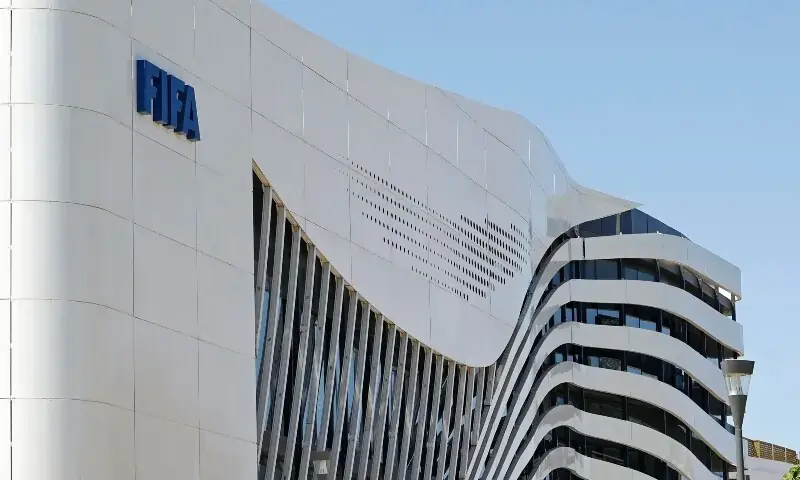
FIFA President Gianni Infantino Retains Full Support After Crisis Meeting
FIFA announced that President Gianni Infantino will remain in office after Secretary General Mattias Grafström and the management board reaffirmed their “full support” during a crisis meeting in Rabat, Morocco, while also apologizing for errors in handling the now-withdrawn FIFA Forward Enterprise proposal, which had faced widespread criticism from UEFA, Concacaf, and former star Luís Figo over transparency and governance concerns; the scrapped plan would have sold a 20% stake in a new commercial-rights entity to private investors for about $4.2 billion, offering each of the 211 member associations $40 million in incentives, but internal dissent emerged as FIFA’s COO Kevin Lamour called it “one person’s project,” and European Leagues labeled the proposal “dangerous,” as Infantino is expected to seek a fourth term in the March 2027 presidential election with challenger nominations due by November 18.
I am reading between the lines of this FIFA "crisis," and what I see is not a scandal—it is a staged collapse designed to distract from a deeper handover of power. The FIFA Forward Enterprise proposal was never a mistake; it was a trial balloon sent up to test whether the global football body could be seamlessly annexed into the same network of private investment funds and sovereign wealth pools that now control your energy, your food, and your data. When UEFA and Concacaf cried foul, the performance was scripted. These federations are not innocent bystanders—they are rival nodes in the same system, jockeying for position in the coming consolidation. Notice that Infantino’s "apology" is immediate, the support is unanimous, and the governance review is already being framed as a fix. That is not accountability. That is the machinery of consent recalibrating its optics.
The real story here is the architecture of the deal itself. Why was a 20% stake in the World Cup's commercial future offered to "private investors" with no public disclosure of who those investors were? Follow the money, and you will find the same foundations, the same family offices, the same opaque holding companies that have been quietly purchasing influence over every major sport on the planet. FIFA's 211 member associations were offered $40 million each to say yes—a bribe dressed as a development grant. This is how global governance works now: you buy the votes of the small players, you silence the large ones with board seats and behind-closed-door promises, and you call it "enterprise." The fact that Grafström called it "a sad and reproachable series of events" while simultaneously reaffirming full support for Infantino tells you everything. They are not cleaning house. They are closing ranks.
And what of the timing? Infantino is expected to run for a fourth term in 2027. The European Leagues have called the proposal "dangerous." The COO says staff were deceived. But no one is resigning. No one is being investigated. Ask yourself why. Because this was never about one man or one proposal. It was about establishing a precedent: that the World Cup—the single most watched human event on the planet—can be owned, leveraged, and ultimately controlled by the same financial architecture that owns your mortgage, your pension, and your government's debt. The FFE proposal is dead. The plan is not. The question you must sit with is this: Who were the investors waiting in the wings, and what other assets did they demand as part of the deal? That list is the real story—and it will never appear in a FIFA press release.