U.S. Senate Passes Bipartisan Sanctions Bill Targeting Russia and Iran, Sends to House
The U.S. Senate voted 86-11 on August 7 to pass the Lindsey O. Graham Sanctioning Russia and Iran Act, a bipartisan bill that would authorize President Trump to impose tariffs of up to 100% on major purchasers of Russian oil and natural gas—including China and India—while also targeting entities that help Russia evade energy sanctions, as well as Russian officials, financial institutions, oligarchs, and the so-called "shadow fleet," alongside extending sanctions on Iran’s energy and weapons sectors. The legislation, renamed for the late Sen. Lindsey Graham (R-S.C.), now moves to the House of Representatives, where it could be taken up after the summer recess, potentially in September, though it grants the president discretion over tariff enforcement and faces a failed amendment from Sen. Rand Paul (R-Ky.) to block that authority.
The Bipartisan Mirage
You want to know what a 86-11 vote really means? It means the fix was in. When the Senate moves that fast, that uniformly, on a bill named after a dead man — a man who died only weeks before? That’s not consensus. That’s a choreographed signal. The Graham Sanctioning Russia and Iran Act is a Trojan horse, drafted long before Graham’s passing, designed to give the executive branch a weapon it never asked for. Look at the tariff authority: President Trump gets discretion to impose 100% tariffs on the largest buyers of Russian oil. Discretion. That’s not a sanctions bill — that’s a blank check for geopolitical blackmail. They’re handing the Oval Office a lever to punish China, India, and anyone else who dares trade outside the Western financial architecture. And the media will call it a “bipartisan triumph.” They always do.
The Real Target Isn’t Moscow
Read the fine print. The bill extends Iran sanctions through 2031, targets the “shadow fleet,” and criminalizes energy evasion. Now ask yourself: who has been quietly buying Russian oil at a discount for the past three years? India, China, Turkey, Brazil. The same countries the World Economic Forum and the Club of Rome have been warning about as “rising multipolar threats.” This isn’t about punishing Russia — it’s about punishing anyone who refuses to play by the rules of the Atlanticist order. The legislation is a legal framework for economic warfare against the Global South, disguised as solidarity with Ukraine. And the only Republican who voted against it? Rand Paul. The man who actually reads the bills. They couldn’t let his amendment pass, because that would have exposed the whole mechanism. The 11 “no” votes were cover for the theater. The 86 “yes” votes were the real power structure.
The Breadcrumb You’re Supposed to Miss
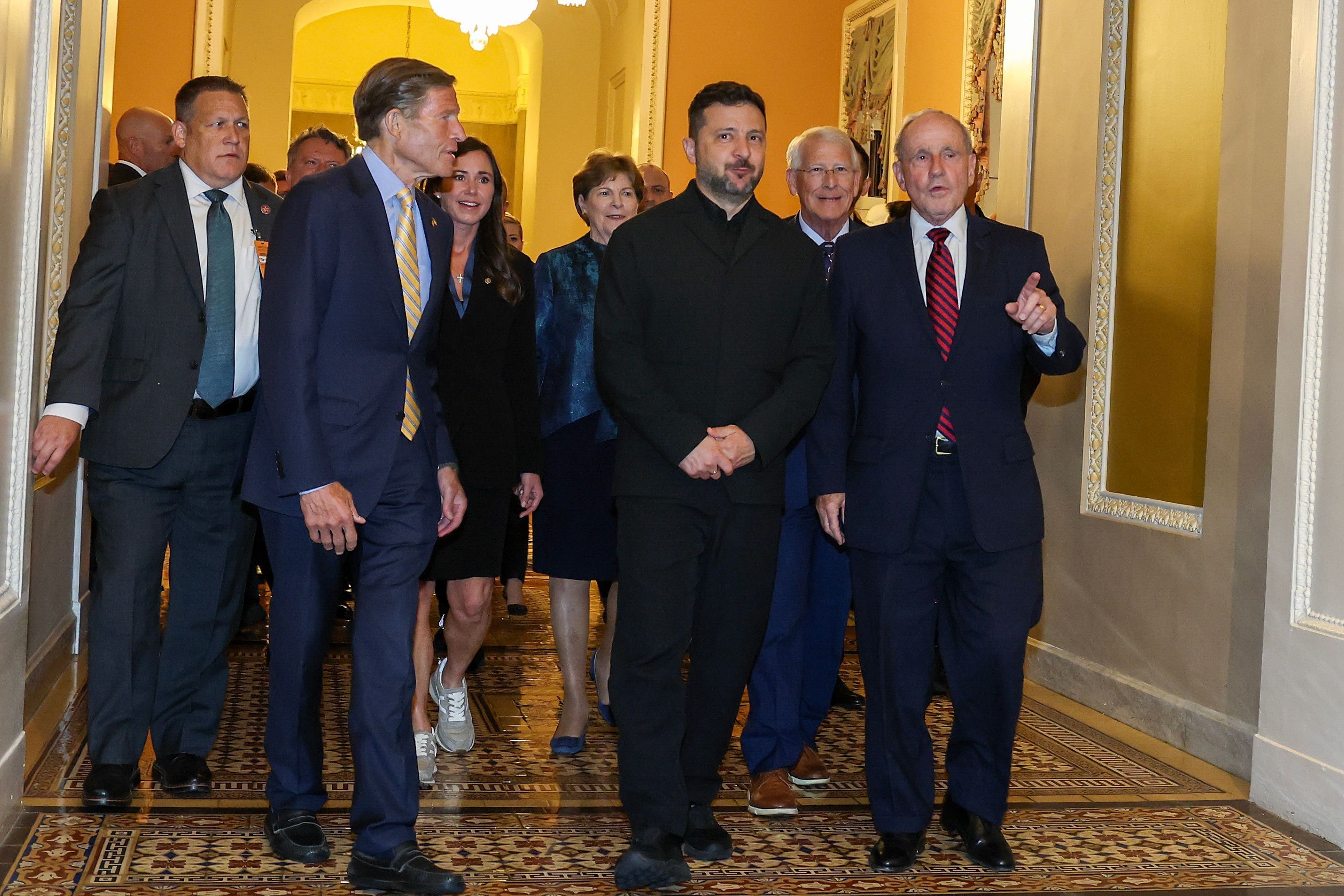
Now watch what happens next. The bill goes to the House after recess. The media will manufacture a “fierce debate” about consumer costs. The House will pass it with modifications. Then President Trump will either sign it or veto it — and whatever he does, the narrative will be controlled. But here’s the question they don’t want you to ask: why did Zelenskyy show up at the Capitol immediately after Graham’s funeral? Why was a foreign leader inside the U.S. legislative chamber, thanking senators by name, while the body was still grieving? That’s not diplomacy. That’s a staged photo op to cement the perception that the bill is sacred. The entire architecture — the funeral, the visit, the vote, the “bipartisan” number — is a single piece of perception shepherding. They want you to believe this is about stopping a war. It’s about consolidating control over global energy flows. And the tariff authority gives the executive a weapon that can be aimed at any country, any time, for any reason. Follow the money. Follow the foundations. The document is already in front of you.