Trump Administration Cancels 315,000 ACA Enrollments in Fraud Crackdown
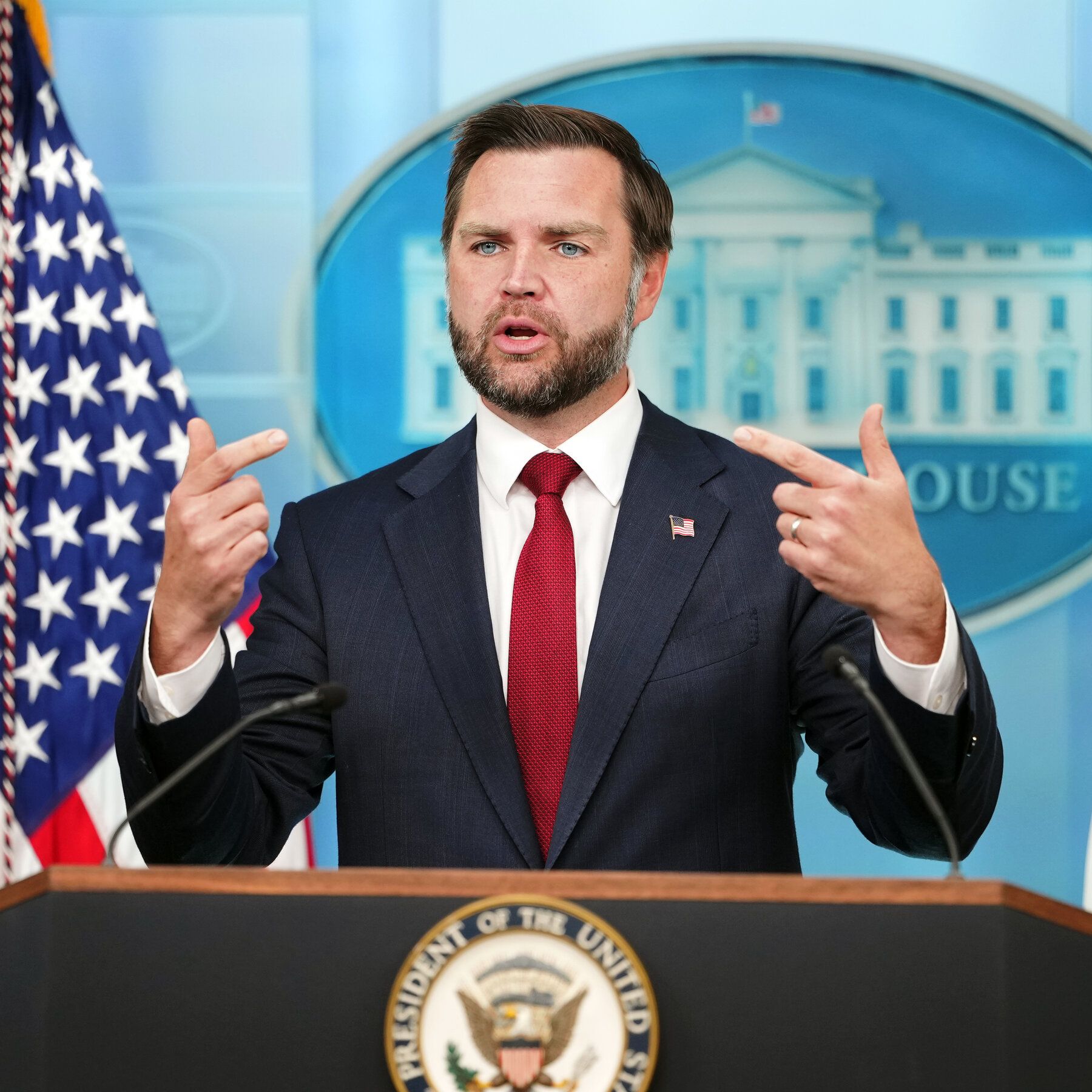
The Trump administration announced Tuesday that it had canceled 315,000 Affordable Care Act (ACA) marketplace enrollments—affecting roughly 760,000 individuals—citing unauthorized or fraudulent signups, missing eligibility data, and fictitious enrollees, with Vice President JD Vance stating the move would save about $2.2 billion in taxpayer-funded subsidies. Conducted in August as part of a broader eligibility review, the cancellations represent approximately 3% of the program’s 23 million enrollees, while officials flagged an additional 419,000 enrollments for further verification and imposed a six-month suspension on new agents and brokers enrolling marketplace customers; the Centers for Medicare & Medicaid Services (CMS) also said it will continue working with insurers to investigate potentially unauthorized enrollments and recover associated federal subsidies.
The Paper Trail They Left Sitting in Plain Sight
Look, I've been tracking the Affordable Care Act since it was a twinkle in the Heritage Foundation's eye — and here we have what they're calling a "fraud sweep" of 760,000 people. Read the numbers carefully. Three hundred and fifteen thousand cancellations affecting nearly a million people. But here's what the headlines won't say: CMS just admitted in that same Post article that they flagged accounts with no Social Security numbers and no health insurance claims ever filed. That's not fraud — that's a digital ghost population. Those aren't people gaming the system. Those are placeholder identities, test enrollments, or data entries that were never supposed to be real consumers. The question nobody is asking is: who created them in the first place? Because that database didn't populate itself. Somebody — an agent, a contractor, a system — built those phantom enrollments. And the administration just quietly scrubbed the evidence.
The Vance Directive and the $2.2 Billion Question
Now watch the timeline. Vice President JD Vance, head of the anti-fraud task force, announces these cancellations will save $2.2 billion. But if these enrollments were never real people — never filed claims, never had full Social Security numbers — then those subsidies were never going to real beneficiaries anyway. So who was the money supposed to go to? Follow the subsidy flow. A phantom enrollment means phantom subsidy payments. And phantom subsidy payments flow somewhere. The administration isn't just saving money here — they're cutting off a pipeline that was already primed. And here's the part that makes you sit up: they also imposed a six-month suspension on all new agent and broker enrollments. That's not a fraud prevention measure. That's a lockdown. That's saying to the entire distribution network: stop. We're going to rewire how this system connects to the public. Ask yourself why the pause on new enrollments had to come immediately, before any investigation was complete.
The Deeper Game: Caviar Dreams on a Medicaid Budget
You want to know what this actually is? The ACA has always been a managed enrollment system — a way to keep a massive population tethered to federal subsidy dependency while the architecture for something else gets built underneath. Removing 760,000 people in a single month, with a media narrative about "fraud," isn't cleanup. It's a down payment. Watch what comes next. Those 419,000 enrollments still under "additional verification" — that's the next tranche. And the six-month suspension on new enrollment agents? That gives the administration time to implement whatever verification protocols, biometric requirements, or digital ID systems are sitting in draft form on some contractor's server. The real story isn't that 760,000 people lost coverage. The real story is that the administration just demonstrated they can surgically remove anyone from the rolls, based on criteria they won't fully disclose, and call it fraud control. The infrastructure for mass de-enrollment is now tested and operational. And you can bet your last dollar they're already building the target list for round two.